Class 2 vs Class 3 Ebikes: Which Speed Limit is Right for You? (2026 Guide)
Summary: Class 2 vs Class 3 Differences
The core difference lies in speed and throttle operation. A Class 2 ebike features a throttle (no pedaling needed) and is capped at 20 mph, making it generally legal for bike paths. A Class 3 ebike is a speed pedelec that assists up to 28 mph, intended for road use and faster commuting.
The Poleejiek Advantage: Why choose? Poleejiek's F6 Series features "Multi-Class Technology," allowing you to toggle between Class 2 (park compliant) and Class 3 (road ready) modes instantly via the LCD display.
We see it every day at Poleejiek. You are ready to invest in an electric bike to upgrade your commute, but then you hit a wall of confusing numbers: "Class 1, Class 2, Class 3."
The anxiety is understandable. Nobody wants to invest in a premium machine only to find out they can't legally ride it on their favorite local trail, or worse—get fined by a park ranger. In the US, the 3-Class Ebike System dictates where you can ride.
In this guide, we will clear up the confusion between the two most popular categories—Class 2 and Class 3—so you can buy with total confidence.
The Cheat Sheet: Class 1 vs 2 vs 3
Before we go further, here is the breakdown. This classification system is widely adopted across the United States (reference: PeopleForBikes).
| Class | Throttle? | Max Speed | Best For... |
|---|---|---|---|
| Class 1 | No | 20 mph | Technical MTB trails & strict paths. |
| Class 2 | Yes | 20 mph | Cruising & Comfort. Riders who want the option not to pedal. |
| Class 3 | Optional* | 28 mph | Commuting Efficiency. Keeping pace with city traffic. |
*Note: Class 3 bikes can have a throttle, but the throttle must cut off at 20 mph, while pedal assist continues to 28 mph.
Deep Dive: The Class 2 Ebike (The Cruiser's Choice)
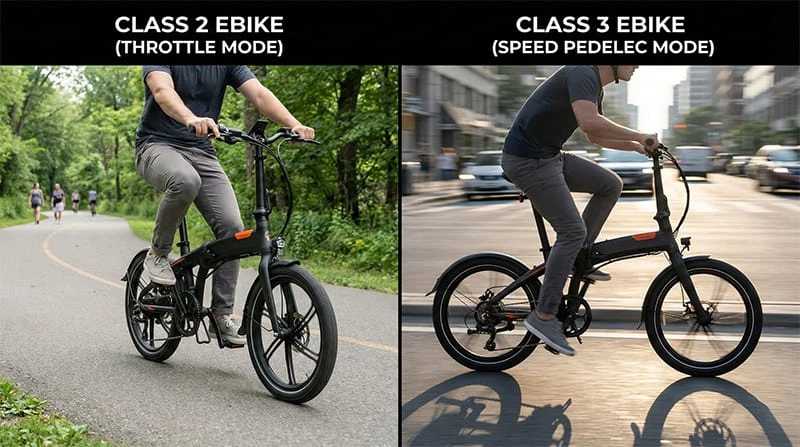
The defining feature of a Class 2 ebike is the throttle. You can ride it like a traditional bicycle, or you can twist the throttle and cruise without moving your legs.
Legally, because they are capped at 20 mph, Class 2 bikes are often granted the same access rights as standard bicycles. They are typically allowed on paved bike paths and multi-use trails where higher-speed vehicles are banned.
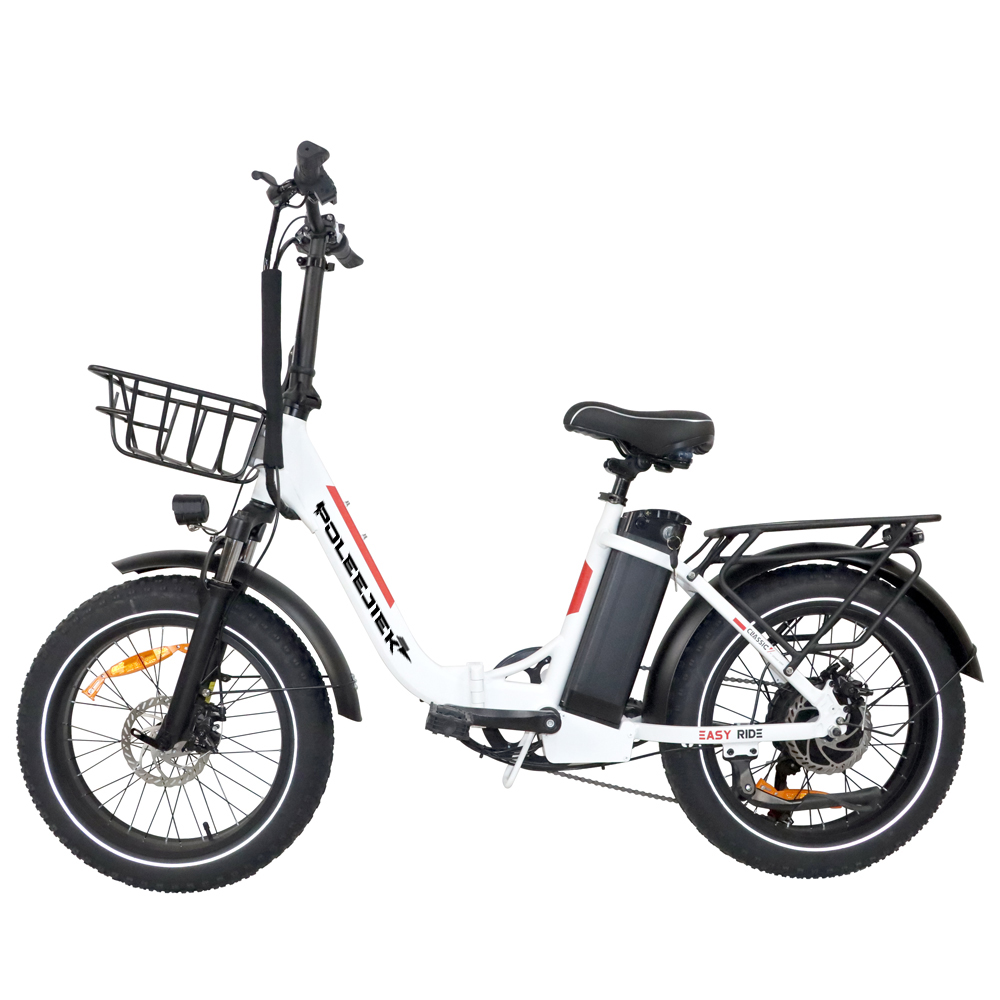
Who is it for? It is ideal for seniors, riders with knee issues, or office workers who want to arrive at work without breaking a sweat. For urban flexibility, many riders choose our compact folding ebikes, which come standard with Class 2 compliance for easy subway and sidewalk transition.
Deep Dive: The Class 3 Ebike (The Commuter's Choice)
Class 3 ebikes are built for speed. With assistance up to 28 mph, they are significantly faster than Class 2 models. This extra speed is crucial for on-road safety, allowing you to flow better with suburban traffic.
However, this power comes with restrictions. Class 3 bikes are generally prohibited from quiet bike paths and shared pedestrian trails. They belong on the road shoulder or designated bike lanes (Class II bike lanes).
The Poleejiek Solution: Don't Choose, Just Switch.
Here is the dilemma: "I want to ride fast on the road to work (Class 3), but I also want to ride slowly through the park on weekends (Class 2). Do I need two bikes?"
No. You just need a smarter bike.
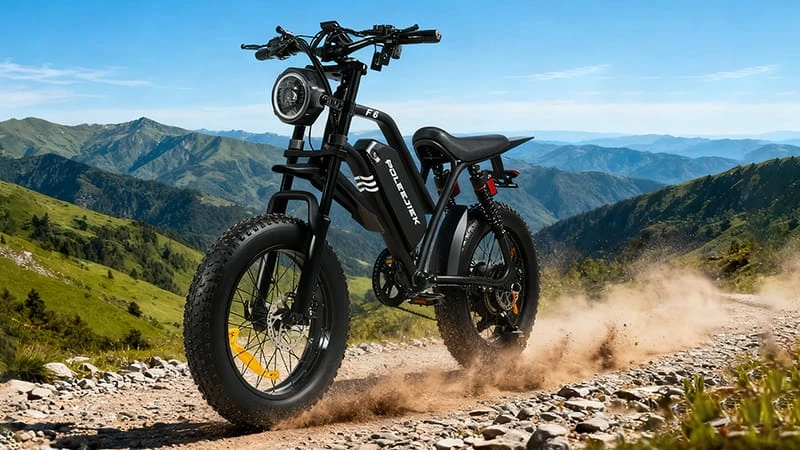
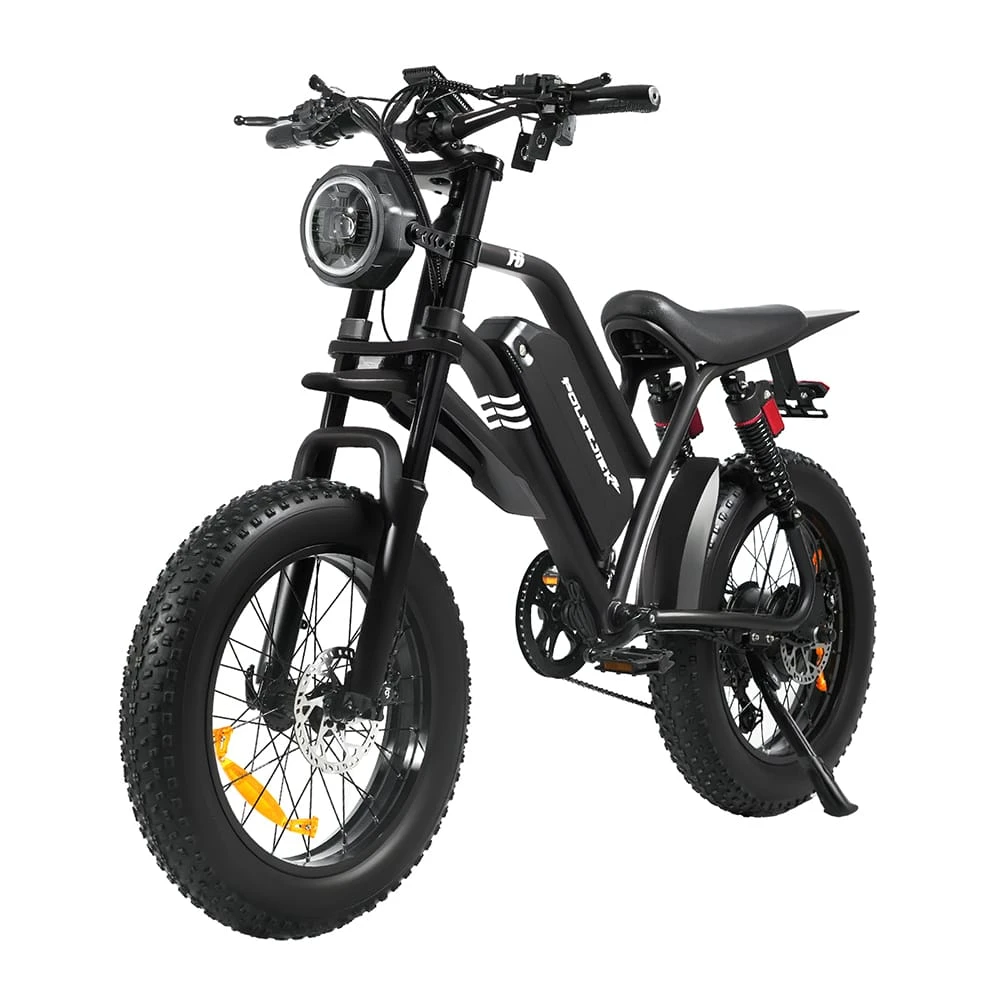
At Poleejiek, we engineer our high-performance models, like the F6 Electric Dirt Bike, with Multi-Class Capability.
- Scenario A (The Park): You are entering a regulated trail. You access the display menu and limit the speed to 20 mph. Your bike is now effectively a Class 2 vehicle.
- Scenario B (The Highway): You are back on the street. You unlock the speed limiter. Now you have a 28 mph+ beast ready to conquer the commute.
By using software to define the bike's behavior, Poleejiek gives you "One Bike, All Rules."
Why Multi-Class Tech Matters for You
Buying a "locked" ebike can be risky. Local laws change. A path that allows Class 3 bikes today might ban them tomorrow. With a Poleejiek Multi-Class ebike, you are future-proofed. You can adapt your bike's top speed to comply with evolving regulations without buying new hardware.
This flexibility removes the fear of buying the "wrong" class. You are getting the capabilities of both.
Expert Advice: Stay Informed
While our technology gives you the tools to be compliant, it is up to the rider to follow local signs. For a detailed breakdown of state-by-state regulations, we highly recommend checking our previously published Street Legal Guide.
Frequently Asked Questions
Don't let regulatory jargon stop you from enjoying the ride. Whether you need the relaxed throttle of a Class 2 or the speed of a Class 3, Poleejiek delivers both in a single package.