Commuter vs. Cruiser E-Bikes: 2025 B2B Fleet Procurement Guide
As urban mobility evolves in 2025, B2B procurement managers face a strategic choice when sourcing fleets. Two distinct categories dominate the market: Commuter E-Bikes (optimized for utility) and Cruiser E-Bikes (optimized for experience).
This technical guide compares the Total Cost of Ownership (TCO), regulatory compliance, and ROI potential of both assets to help you build a profitable fleet.
At a Glance: The Strategic Differences
| Feature | Commuter E-Bike (The Workhorse) | Cruiser E-Bike (The Experience) |
|---|---|---|
| Best Use Case | Last-mile delivery, corporate fleets, monthly subscriptions. | Tourist rentals, hourly leisure, hotel/resort fleets. |
| Tire TCO | Low: Standard 700c/27.5" tires. Low rolling resistance, high availability. | High: Fat Tires (20"x4.0"). Higher cost per unit, faster wear on pavement. |
| Regulatory Risk | Low: Universally compliant (Class 1 / EPAC). | Moderate: High-power models (750W+) often require insurance/licensing in EU/UK. |
| Revenue Model | High Volume / Low Margin (Utility). | High Margin / Seasonal Volume (Lifestyle). |
Deep Dive: Total Cost of Ownership (TCO) Analysis
Purchase price is only 30% of a fleet vehicle's lifecycle cost. Maintenance—specifically tires and drivetrain—drives the remaining 70%.
Scenario: A 50-bike rental fleet operating for 12 months (3,000km per bike).
| Cost Variable | Commuter Fleet (Standard Tires) | Cruiser Fleet (Fat Tires) | Impact on Profit |
|---|---|---|---|
| Avg. Tire Cost (Wholesale) | $15.00 / unit | $35.00 / unit | Cruisers cost +133% |
| Tire Lifespan (Pavement) | ~4,000 km | ~2,000 km (Softer compound) | Cruisers replace 2x more often |
| Est. Annual Tire Maintenance | $750 / year | $3,500 / year | -$2,750 Fleet Loss |
*Data based on 2024 average OEM component pricing. Fat tires experience higher friction wear on asphalt, necessitating more frequent replacement cycles.
Regulatory Compliance: The "Type Approval" Trap
For distributors importing into the European Union or UK, the distinction between a bicycle and a moped is critical.
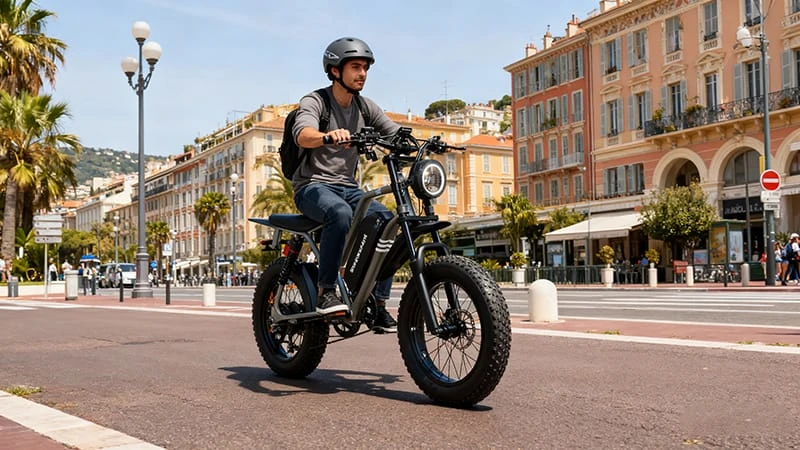
Many "US-Spec" Cruiser bikes feature 750W motors and Throttles. In the EU, these are legally classified as L1e-A or L1e-B Mopeds, NOT bicycles.
- Consequence: They cannot use bike lanes, require license plates, insurance, and type-approval certification (CoC).
- Solution: Ensure you order the POLEEJIEK EU-Spec Cruiser (250W, No Throttle, EN 15194 Certified) to sell legally as a bicycle.
POLEEJIEK Fleet Recommendations (2025 Models)
We configure our manufacturing lines to meet your specific regional laws (UL 2849 for USA, EN 15194 for EU).
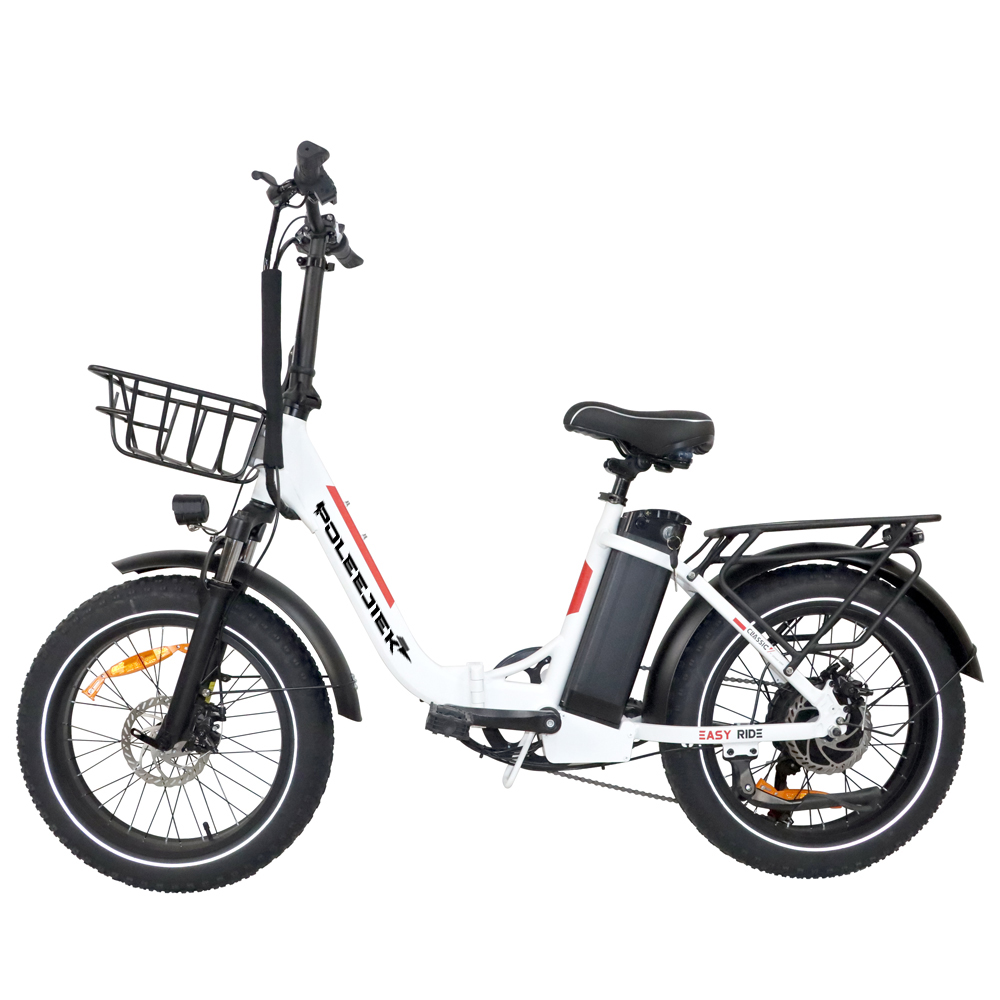
1. The Urban Utility Pick: BLJ-2031 Folding Commuter
Designed for maximum storage efficiency and multi-modal transport.
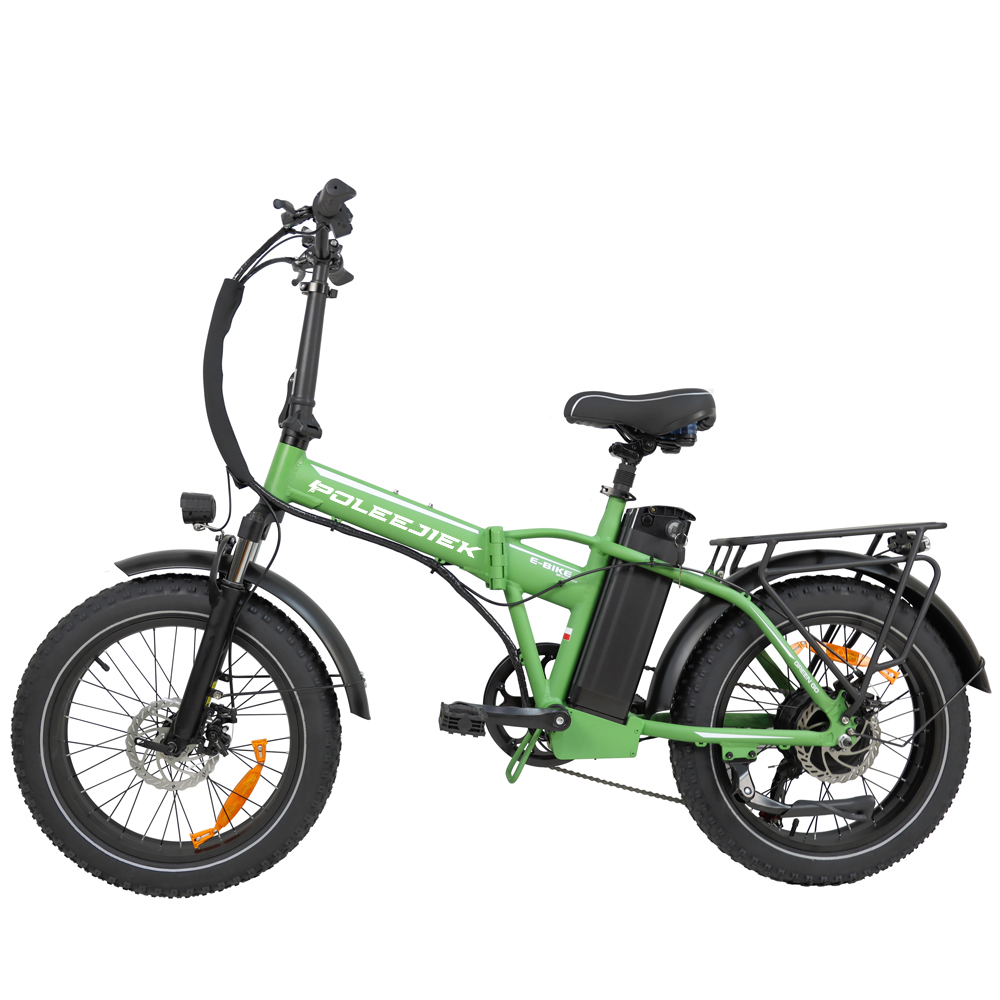 The BLJ-2031: 750W (US) or 250W (EU) with integrated magnesium alloy wheels (zero spoke maintenance).
View BLJ-2031 Technical Specs →
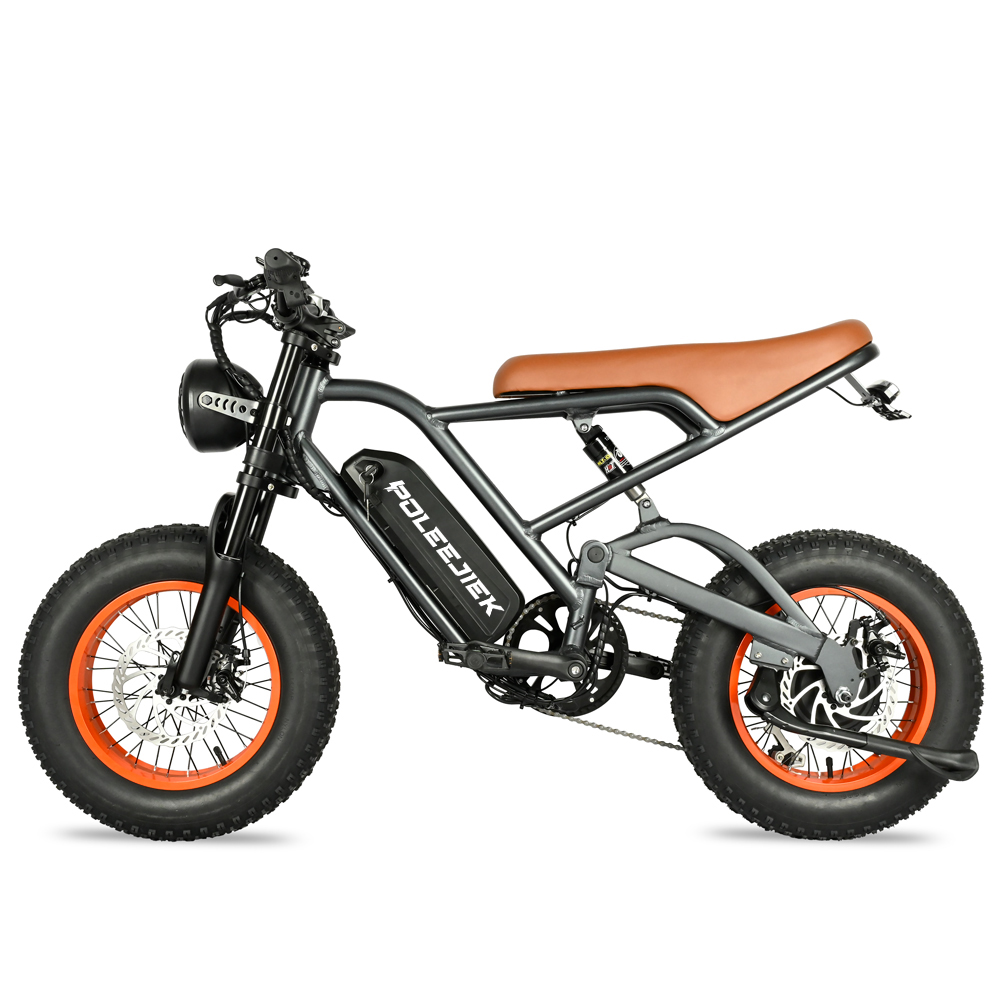
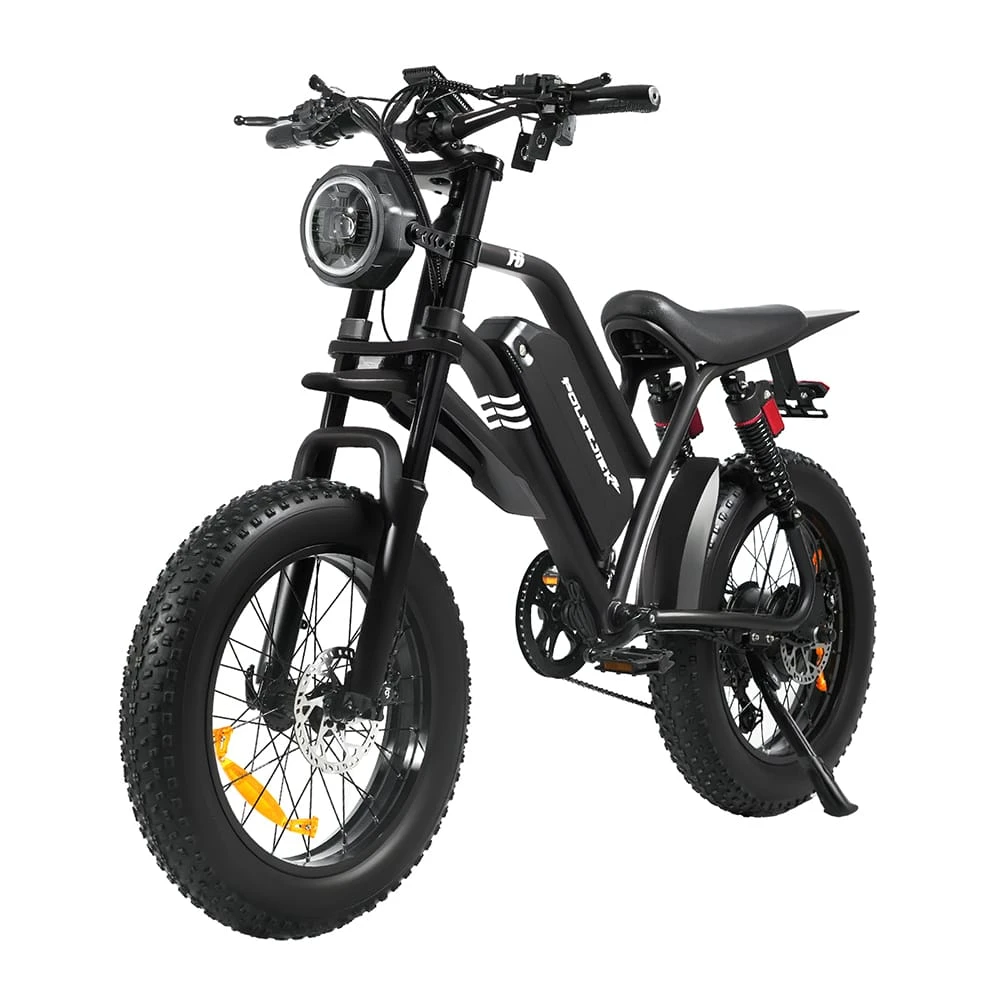
2. The Tourism ROI Pick: BLJ-2005 Vintage Cruiser
The "Instagram-ready" bike that justifies premium rental rates.
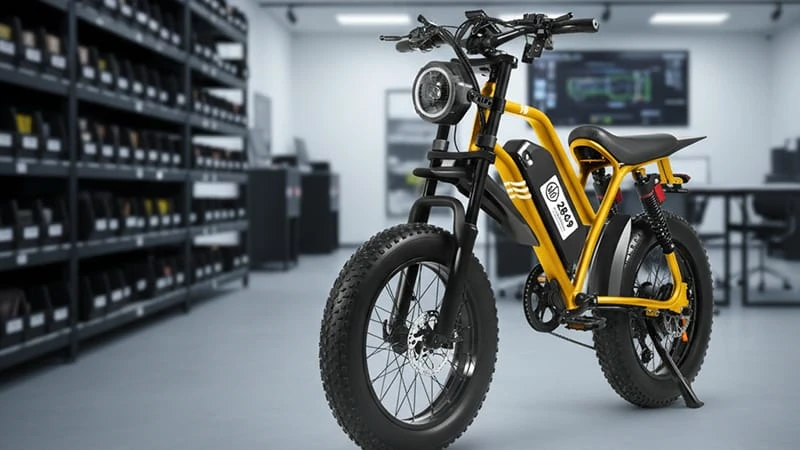
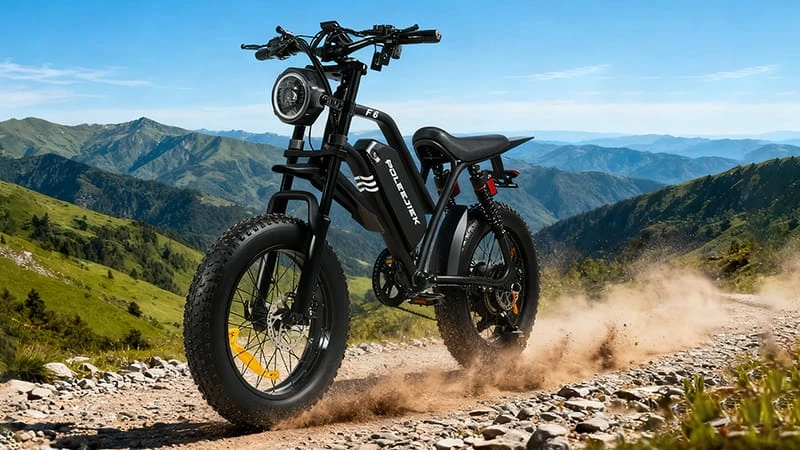
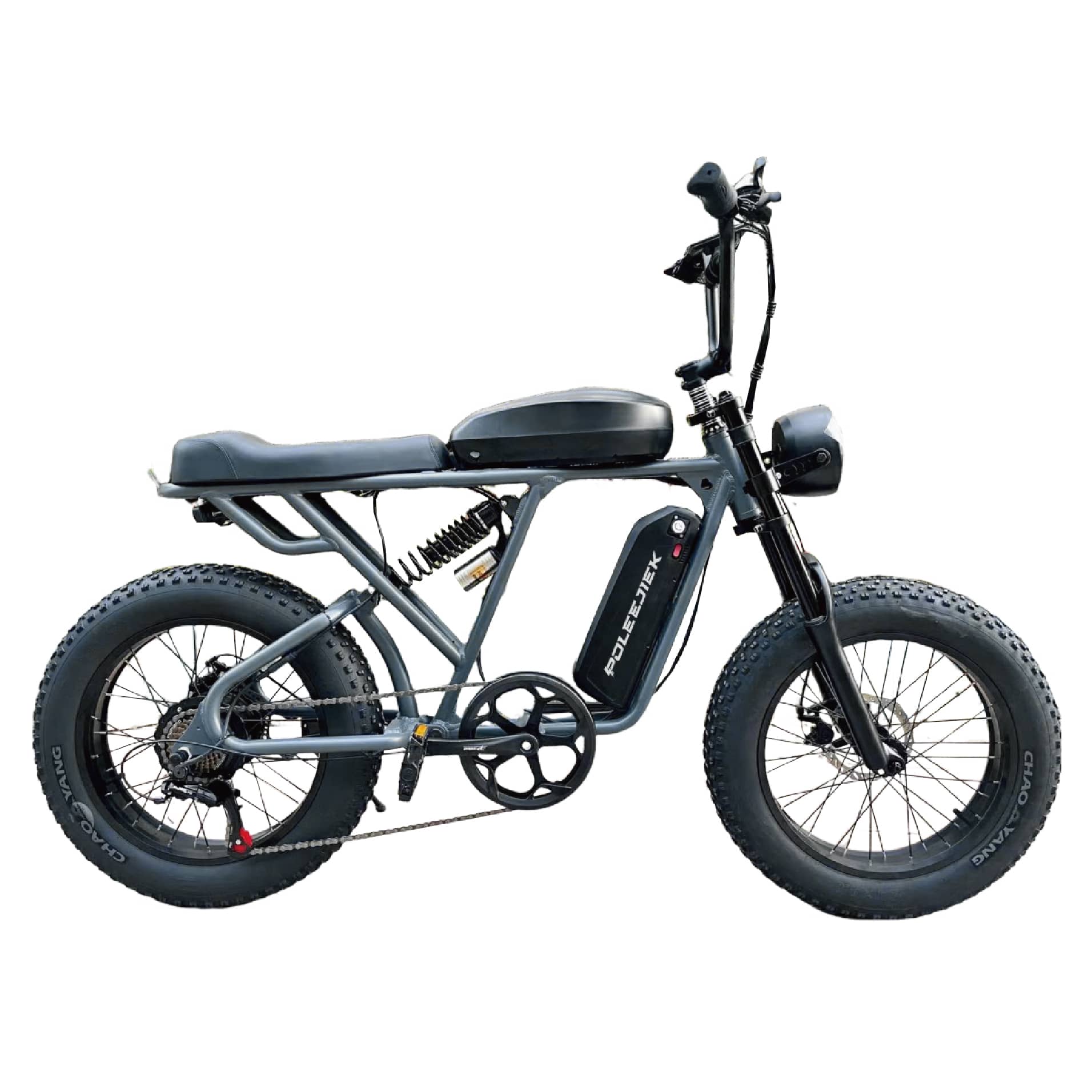 The BLJ-2005: Retro aesthetics with modern hydraulic braking. Available in L1e-A compliant or EPAC versions.
View BLJ-2005 Technical Specs →
Why Source from POLEEJIEK (OEM/ODM)?
We don't just sell bikes; we provide Supply Chain Security.
- Safety First (E-E-A-T): Our battery systems are designed to meet UL 2849 standards, significantly reducing fire risk and insurance premiums for your warehouse.
- After-Sales Support: We guarantee spare parts availability (tires, controllers, displays) for 5 years post-production to protect your fleet's longevity.
- Custom Engineering: We can software-lock top speeds to comply with local laws (e.g., 25km/h for EU, 20mph for USA).
Ready to Optimize Your Fleet?
Don't guess on compliance or costs. Partner with a manufacturer that understands the B2B landscape.
Frequently Asked Questions (B2B)
Can I import US-Spec (750W) bikes into Europe for private land rental?
Yes, strictly for private land use (e.g., large resorts, golf courses). However, if a customer rides onto a public road, you are liable. We strongly recommend our 250W EN 15194 models for all EU clients to eliminate legal liability.
How does wheel size affect fleet maintenance?
Commuter bikes often use standard 700c or 26" wheels with spokes. Cruisers often use "Mag Wheels" (Magnesium Alloy) or heavy fat tire rims. Mag wheels (available on our BLJ-2031) require zero truing maintenance, saving labor hours, but are heavier.