E-Bike Fleet Maintenance Guide: Maximize ROI & Uptime
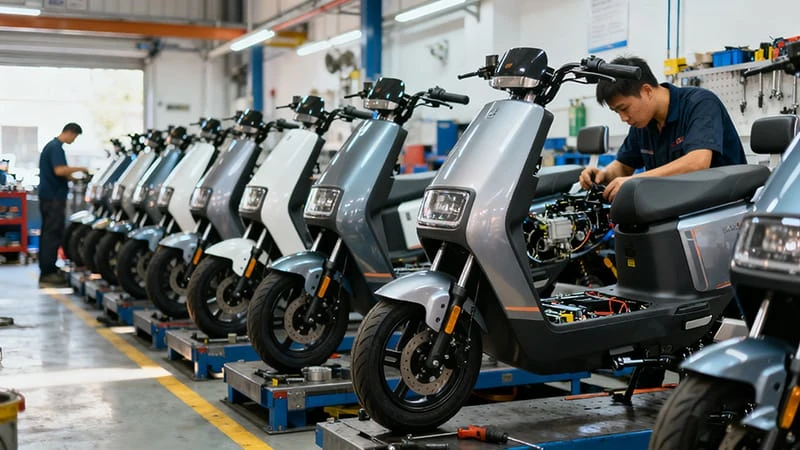
Why Fleet Maintenance is Your Business’s Lifeline
For a delivery service or a tourist rental business, an e-bike is not a recreational toy; it is a core, revenue-generating asset. In this high-stakes commercial environment, there is a simple equation that every fleet manager lives by: Downtime = Lost Revenue.
The challenge you face is fundamentally different from that of a personal e-bike owner. A commercial e-bike fleet—whether used for last-mile delivery or daily rentals—experiences a wear and tear rate that can be more than ten times higher than that of a personal-use bike. According to industry data from CONEBI (Confederation of the European Bicycle Industry), commercial e-bikes log 3-5x more annual mileage than consumer models, accelerating component degradation.
Think about the daily abuse your fleet endures:
-
High-Intensity Use: Your bikes are running 8-10 hours a day, often under heavy load.
-
Rider Variability: Your bikes are ridden by dozens of different people with different riding styles.
-
Harsh Environments: Your fleet operates in all conditions—rain, snow, intense heat, and corrosive salt air.
This relentless combination of factors creates a severe test of component longevity. A single seized motor or a failed battery doesn't just mean a repair bill; it means a bike is off the road, not earning money, and potentially damaging your brand's reputation.
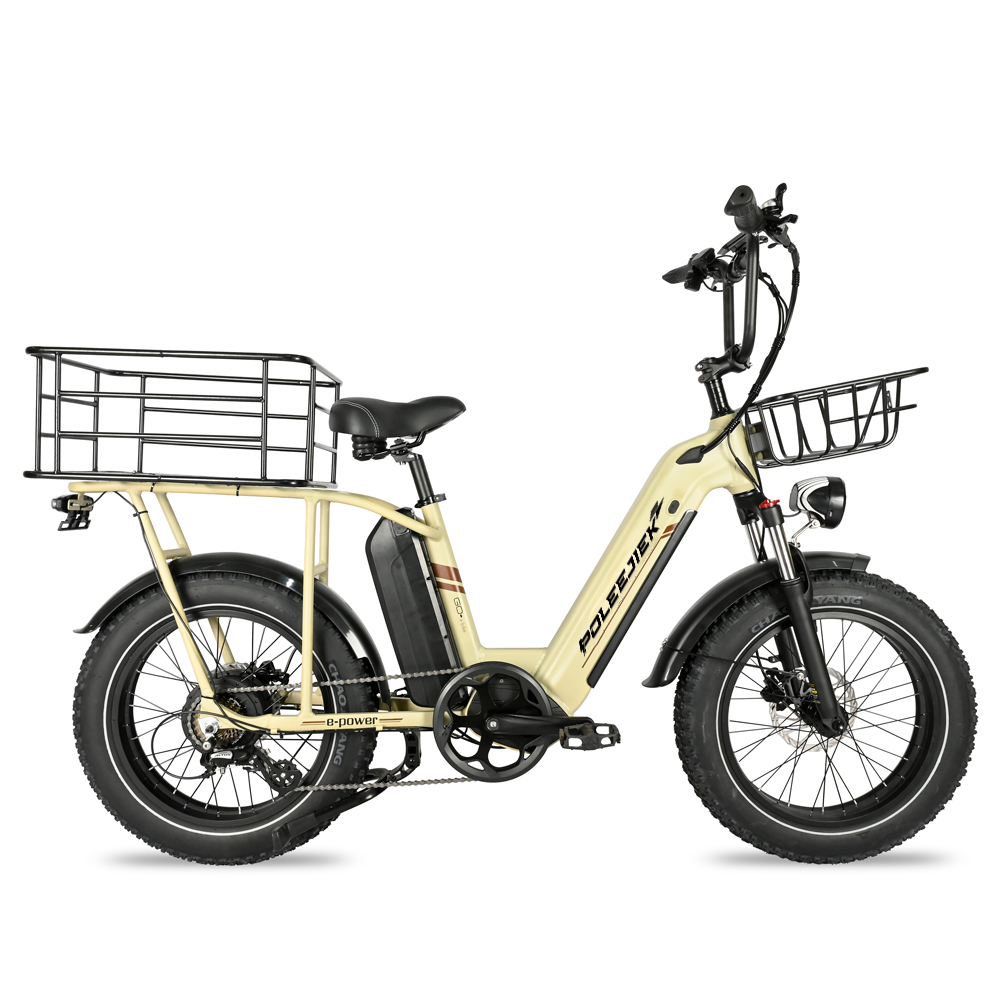
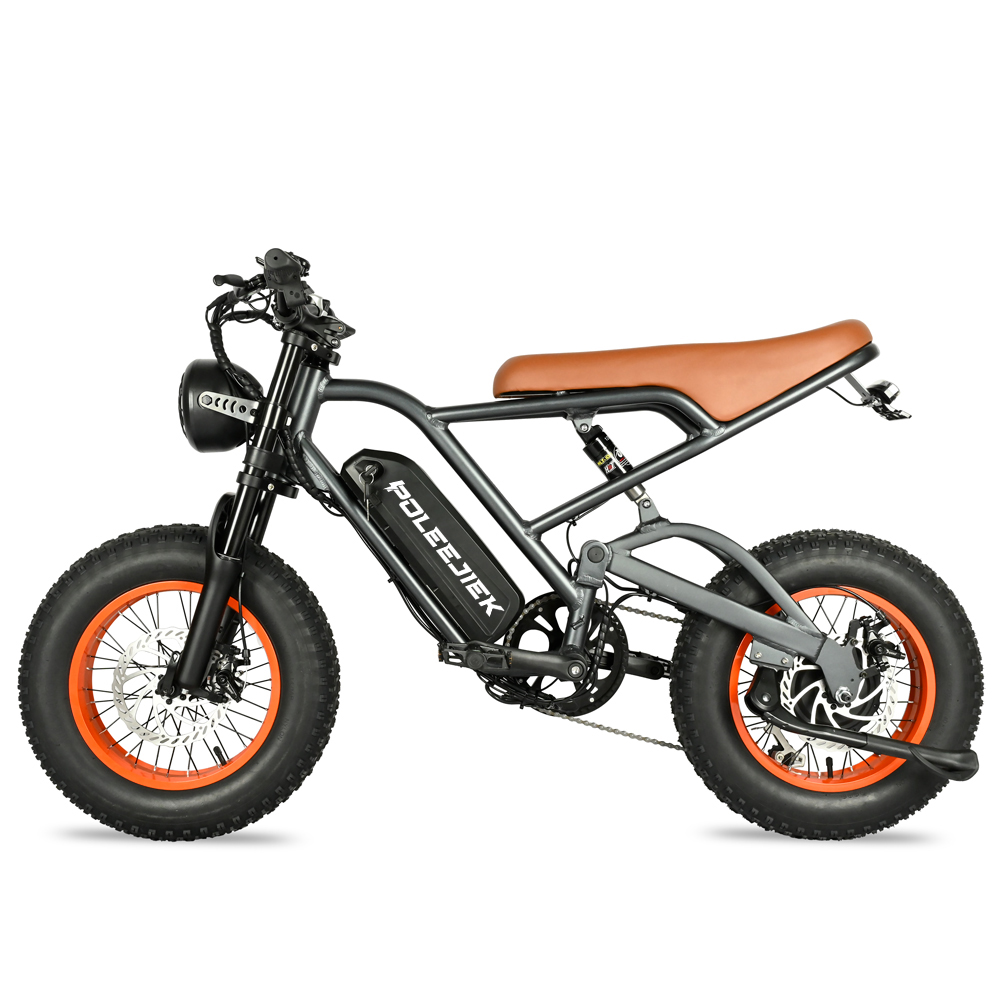
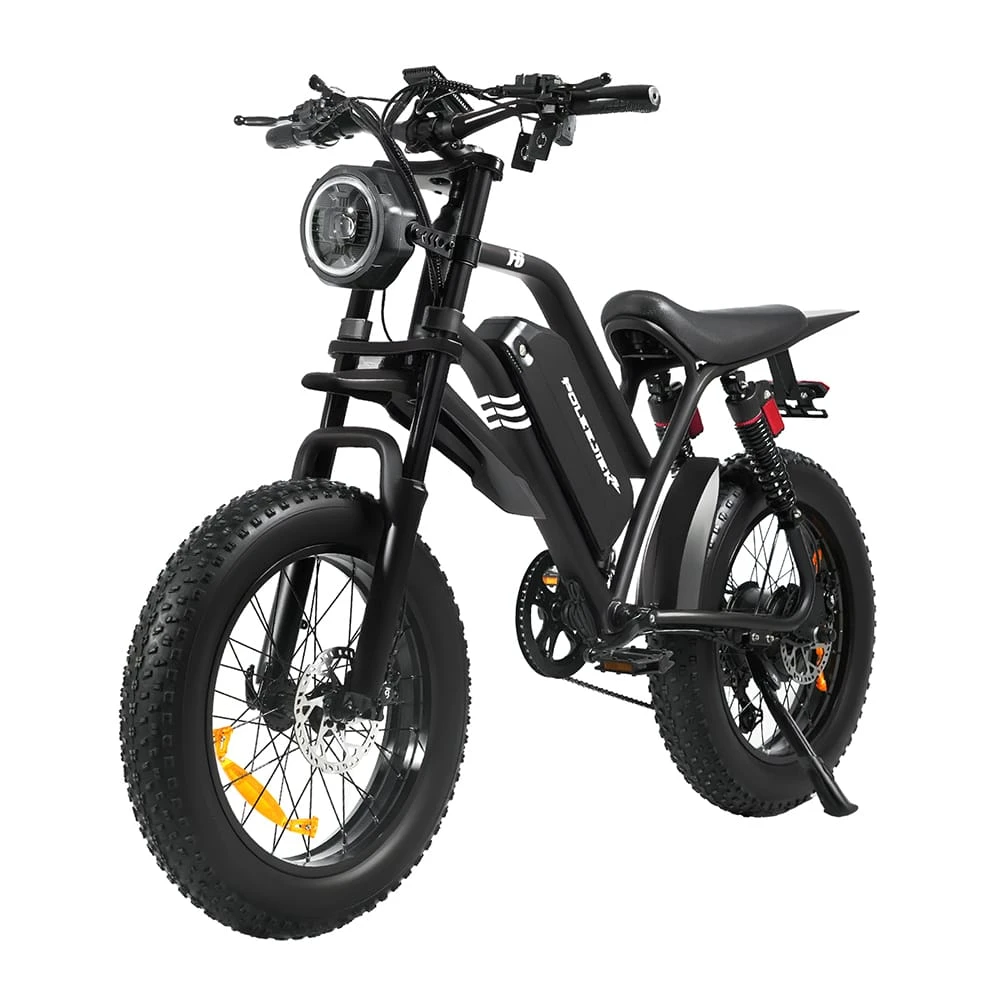
This guide provides a systematic maintenance framework built specifically for B2B operations. We will move beyond consumer-level tips and into a professional system designed to maximize fleet uptime, slash your long-term Total Cost of Ownership (TCO), and dramatically improve your Return on Investment (ROI). Whether your fleet consists of efficient urban commuters or rugged fat tire electric bike models for tourist rentals, these strategies are non-negotiable for success. For more insights on fat tire models and industry best practices, explore the Cycling Industry News report on commercial e-bike durability.
Strategy 1: Battery Health Management – The "Heart" of Your Fleet
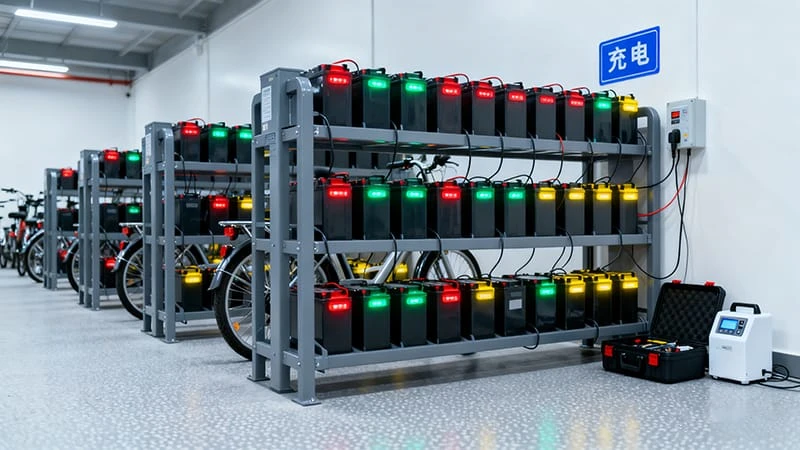
The battery pack is the single most expensive and critical consumable component in your entire fleet. A replacement battery can cost 30-50% of the entire e-bike's original value. Therefore, managing your battery pool effectively is half the battle. For detailed battery guidance aligned with European safety standards, refer to our ebike battery guide 2025 and cross-reference with EU Commission regulations on lithium-ion battery safety for commercial assets.
The way a consumer treats their battery is irrelevant to your operation. An electric dirt bike adult enthusiast or an electric dirt bike for adults hobbyist might charge their battery a few times a month for weekend fun. Your delivery fleet's batteries are being deep-cycled daily. Learn more about adult electric dirt bikes and their battery needs in our cheap electric dirt bikes for adults resource, which includes data from eBikes International on commercial battery cycle life.
B2B-Specific Charging Protocols
The "charge-and-go" chaos, where riders plug in bikes randomly at the end of a shift, is a recipe for premature battery death. You must enforce strict protocols.
-
For Delivery Fleets (Battery Swapping): The most efficient model is a battery-swapping system. Maintain a pool of 1.5 batteries per bike. Riders swap dead batteries for fresh ones mid-shift. Batteries coming in hot should cool for 30 minutes before charging.
-
For Rental Fleets (Scheduled Charging): The biggest mistake is leaving them plugged in all night. Use smart chargers or outlet timers. Aim to bring the fleet to 90% charge, not 100%, as the final 10% generates the most heat and degradation.
Leveraging BMS (Battery Management System) Data
Your B2B-grade batteries have a smart BMS. Use it. Once a month, plug each battery into a diagnostic tool. Look for:
-
Cycle Count: Track how many full cycles each battery has.
-
Cell Imbalance: A high voltage deviation between cell groups is a sign of impending failure.
-
Fault Codes: Identify batteries that have experienced over-heating or short-circuit events.
This data allows you to pull a failing battery out of rotation before it strands a rider.
Seasonal/Off-Season Storage (For Rental Businesses)
You cannot simply park the bikes for three months. The batteries will self-discharge and may enter a "deep sleep" state.
-
The Rule: Charge or discharge all batteries to 40%-60% state of charge.
-
The Storage: Remove the batteries from the bikes. Store them on shelves in a climate-controlled, dry room.
-
The Check-up: Every 2-3 months, top them back up to the 40-60% level.
Strategy 2: The Daily Pre-Shift Check – The Rider's "5-Minute" Responsibility
Prevention is always cheaper than cure. The single most effective way to catch problems is to empower your riders to be the first line of defense. This "5-Minute" pre-shift check is not optional; it is a mandatory, logged procedure. A simple checklist (T.B.C.L.) is all you need.
|
Acronym |
Component |
Action |
|---|---|---|
|
T |
Tires |
Check pressure with a gauge. Incorrect pressure is the #1 cause of lost range. |
|
B |
Brakes |
Squeeze levers. They must feel firm, not "spongy" or pull to the handlebar. |
|
C |
Chain |
Look for heavy rust or stiff links. Listen for a "grinding" noise. |
|
L |
Lights & Battery |
Power on. Ensure battery is locked and lights function. |
This simple check applies to all adult electric bikes, but for a commercial fleet, it must be a mandatory, logged procedure. For insights on choosing durable adult electric bikes for fleets, see our best electric dirt bikes for adults made simple guide, which references Cycling Industries of Europe (CIE) standards for commercial e-bike durability.
Strategy 3: The Deep Maintenance Schedule – The Mechanic's "Bible"
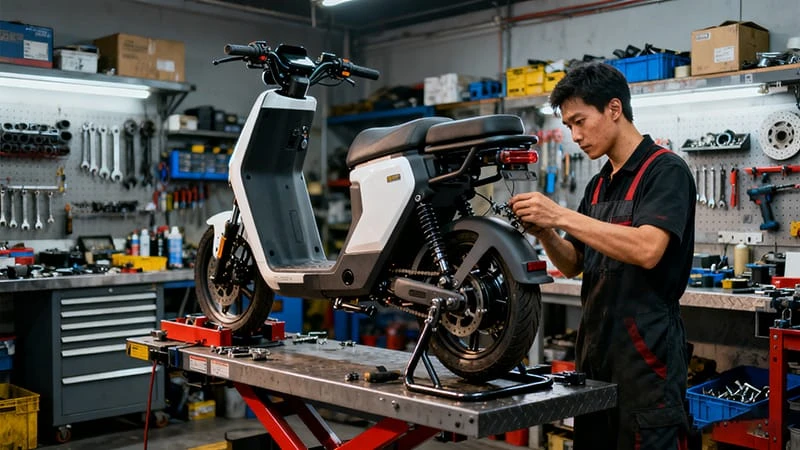
While daily checks prevent sudden failures, a scheduled preventative maintenance program optimizes long-term health. You cannot wait for things to break. This plan should be based on mileage or operational hours, not the calendar.
Monthly (or 1,000-Mile) Service
-
Brake System (High Priority): Your fleet will destroy brake pads. Check pad thickness and replace if less than 1mm. Check hydraulic lines for leaks.
-
Drivetrain (TCO Saver): Use a chain-checker tool. Replacing a chain when it hits 0.75% stretch (a $30 repair) saves you from replacing the cassette and chainring (a $200+ repair).
-
Motor & Electrical (The Core): Unplug major electrical connectors. Check for corrosion (white or green powder), clean them, and apply dielectric grease to waterproof them. For mid-drive motor maintenance tips aligned with EU standards, refer to our mid-drive ebike guide 2025 and EU Commission guidelines on electric vehicle component maintenance.
-
Torque Check: Check the torque on all critical motor and crank bolts.
A consumer looking for the best electric dirt bike cares about peak horsepower. A fleet manager *must* care about bolt torque. A loose motor bolt is a primary cause of frame damage and electrical failure. Discover our top picks for durable fleet-ready electric dirt bikes in best electric dirt bikes for adults made simple, with insights from eBikes International on commercial motor reliability.
Strategy 4: Specialized Maintenance (Handling Your Assets)
Different e-bikes have different jobs, and that means different maintenance priorities. A "one-size-fits-all" plan is inefficient.
A. Cargo E-Bikes (The Workhorses)
These are the heavy-duty trucks of your fleet. Their maintenance priority is structural integrity. Explore our range of cargo e-bikes built for commercial use at moyoebikes.com/cargo-ebike, designed to meet CONEBI commercial load-bearing standards.
-
Brakes: These bikes are heavy and carry loads. They require oversized rotors and 4-piston brakes. Check pads weekly, not monthly.
-
Frame & Racks: Meticulously inspect all frame welds and rack connection points for stress fractures. Learn more about robust cargo e-bike designs in our how BLJ-DC008 750W cargo ebike redefining urban delivery article, which cites Cycling Industry News data on cargo e-bike durability.
B. Fat Tire Models (The Rental Favorites)
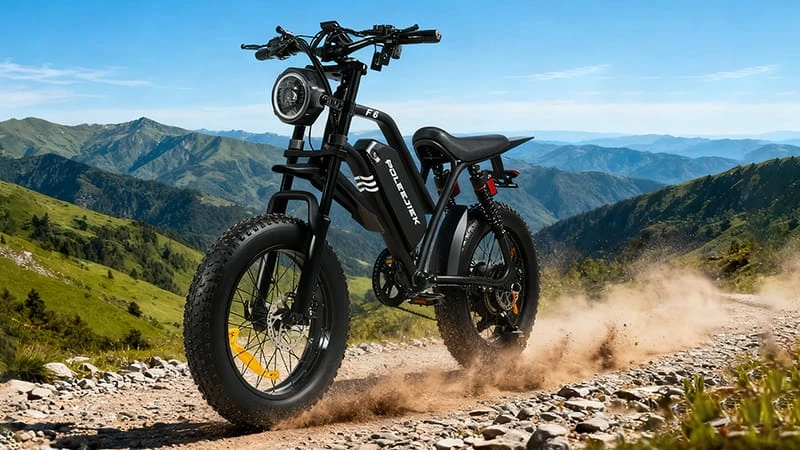
For beach, snow, or trail rental fleets, fat tire electric bikes are fantastic, but they have unique enemies: salt, sand, and water. Dive deeper into fat tire e-bike maintenance in our best fat tire electric bikes 2025 guide.
-
Aggressive Cleaning: This is your #1 priority. Salt and sand are lethally abrasive. The bike *must* be rinsed with fresh water *daily* to protect the drivetrain and hub motor bearings.
-
Tire Pressure: An electric bike fat tire is highly sensitive to pressure.
-
Sand/Snow: 5-10 PSI
-
Pavement: 15-25 PSI
-
-
If a renter takes a bike with 8 PSI onto the pavement, they will destroy the tire and cut battery range in half.
Strategy 5: Spare Parts & TCO (Total Cost of Ownership) Management
The ultimate goal of maintenance is to do so in the most cost-effective way possible. Downtime is your biggest cost.
Intelligent Spare Parts Strategy
You must maintain an in-house parts inventory, separated into two tiers:
-
High-Consumable (Stock Deep): Brake Pads (the #1 item), Tires, Inner Tubes, Chains, Grips.
-
Low-Frequency, High-Impact (Stock 1-2): Controller, Display/Throttle, Battery Mount, Derailleur Hanger.
The B2B Supplier Relationship
This is where a B2B-focused partner like POLEEJIEK becomes essential. You need a supplier who guarantees long-term availability of proprietary parts and can ship them immediately. Learn about POLEEJIEK's B2B support in our mid-drive electric bike POLEEJIEK OEM and B2B manufacturer resource, which aligns with CONEBI B2B supplier standards.
When to Repair vs. When to Replace
TCO calculation tells you when a bike is no longer worth saving. Calculate each bike's total cost (purchase + lifetime repair + labor) divided by its months in service. When the *average monthly repair cost* for an aging bike starts to exceed its monthly depreciation, that is your signal to replace it. Knowing when to retire a unit and start searching for a new electric bike for sale is a key financial discipline. Browse our latest commercial electric bikes at moyoebikes.com/electric-bikes, with models tested to meet Cycling Industry News TCO benchmarks.
Conclusion: Maintenance is Investment, Not Cost
Proactive maintenance is not an "expense" on your balance sheet. It is an "investment" in your profitability. It reduces liability risk, increases customer satisfaction, and maximizes the revenue-generating lifespan of your assets.
Your fleet needs reliable workhorses, not high-strung show ponies. A high-performance electric dirt bike (or a consumer dirt bike electric) is designed for high-performance, high-maintenance thrills. Your fleet bikes must be designed for relentless reliability and ease of service. Explore our durable fleet options, including fat tire models, at best fat tire electric bikes 2025.
Action Call (CTA): Is your fleet ready for an upgrade? POLEEJIEK offers e-bikes engineered specifically for high-intensity commercial use, including our urban, cargo, and fat tire ebike series. Contact our B2B team today to get a quote on a fleet customized for your needs and to learn about our comprehensive spare parts support program. Explore our fat tire ebike lineup at best fat tire electric bikes 2025 or visit moyoebikes.com/contact-us to connect.
FAQ
What is the #1 maintenance cost for an e-bike fleet?
The battery. It is the single most expensive consumable component. A systematic charging and storage protocol (Strategy 1) is essential to protect this investment. For expert battery care tips aligned with international standards, see our ebike battery guide 2025 and EU Commission battery maintenance guidelines.
Why is a daily T.B.C.L. check so important?
It empowers riders to be the first line of defense. This 5-minute check catches small issues like low tire pressure or worn brake pads *before* they cascade into costly failures like a flat battery, a ruined wheel, or an accident.
How is maintaining a fat tire ebike different from a city bike?
The main difference is the environment. A fat tire ebike used in coastal or trail rentals is exposed to highly corrosive and abrasive materials like salt and sand. It requires aggressive, daily freshwater cleaning to protect the drivetrain and hub motor bearings. Learn more in our best fat tire electric bikes 2025 guide, with tips from eBikes International on off-road e-bike maintenance.
What is TCO and why does it matter for my fleet?
TCO stands for Total Cost of Ownership. It includes the purchase price *plus* all costs for parts, labor, and downtime over the bike's life. Tracking TCO helps you make smart financial decisions, like when to retire an old bike instead of continuing to pay for expensive repairs. For guidance on selecting TCO-friendly fleet bikes, explore our best electric bikes for 2025 (B2B focus) resource, which references CONEBI TCO calculators for commercial e-bikes.