Electric Cycle Helmet Guide 2026: Do You Need a Full Face?
Quick Answer: The 30mph Rule
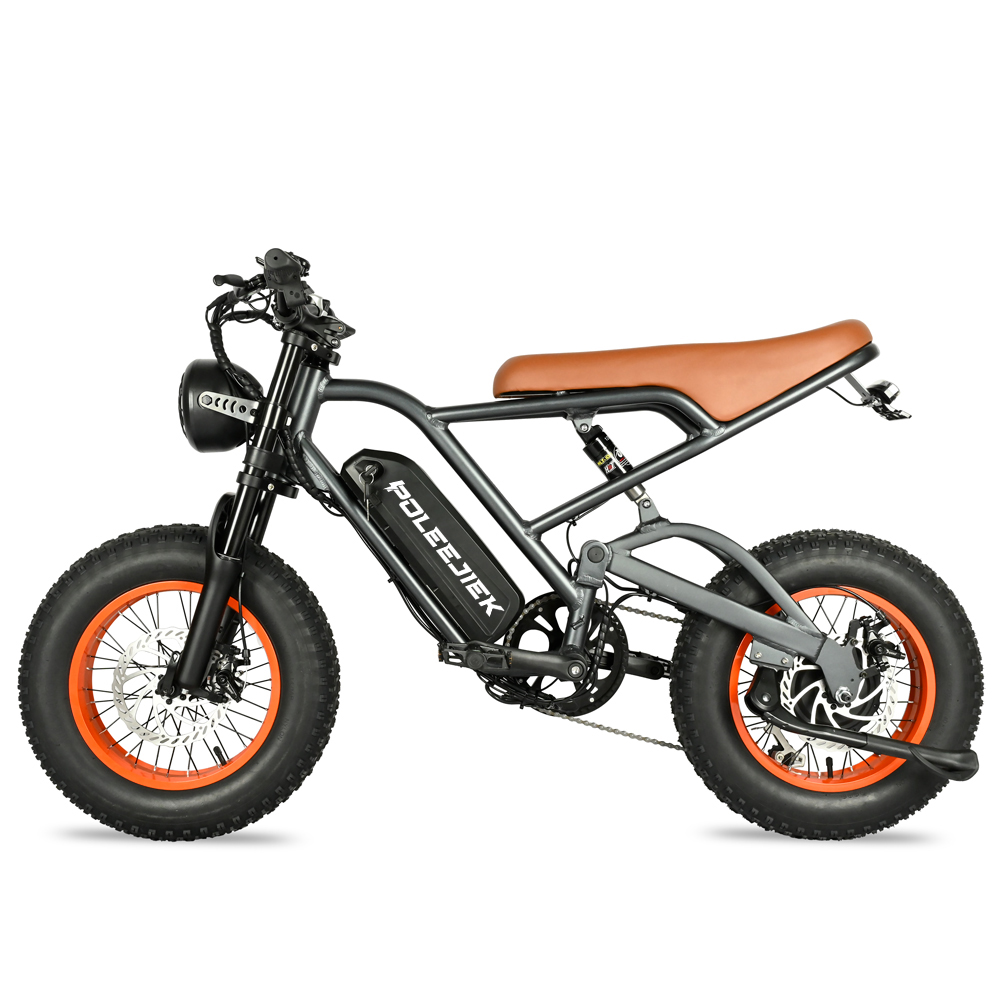
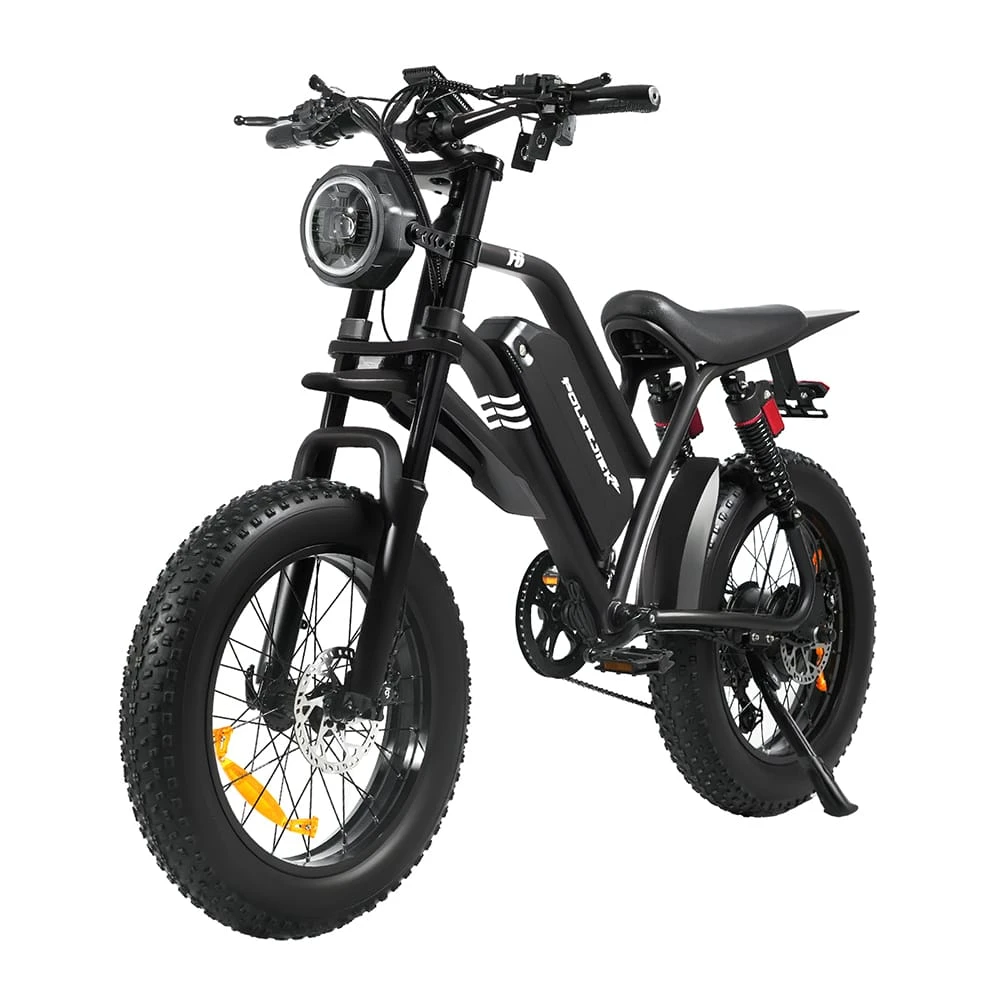
If you ride a standard Class 1 or 2 e-bike (up to 20mph), a helmet certified with NTA-8776 (Dutch E-Bike Standard) is sufficient. However, if you ride a Class 3 e-bike or a high-performance off-road model like the Poleejiek F6 (speeds of 28mph+), a Full Face Helmet is strongly recommended to protect your chin and teeth. Standard bicycle helmets are not rated for the higher impact forces of electric cycle crashes.
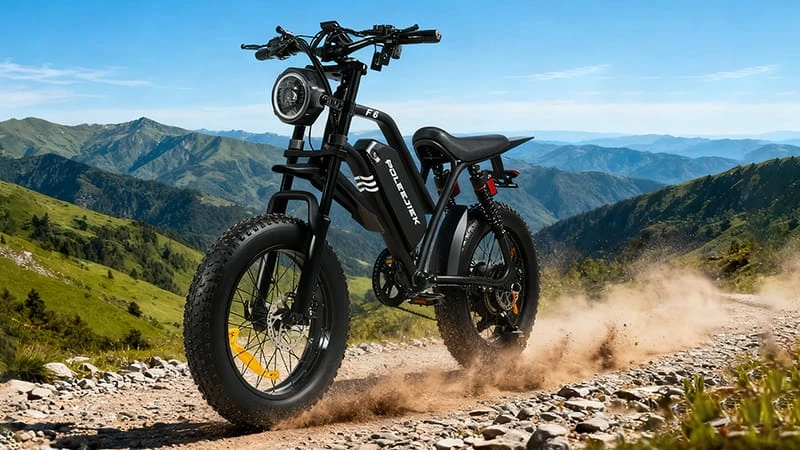
Picture this: You’ve just unboxed your brand new Poleejiek F6. It’s a beast of a machine capable of speeds exceeding 30mph. You’re ready to hit the trails, so you grab that lightweight foam helmet you bought for your beach cruiser five years ago.
Stop. You might be making a critical mistake.
In 2026, the technology behind electric cycles has evolved rapidly, blurring the lines between bicycles and motorcycles. Yet, many riders are still protecting their heads with "styrofoam cups" designed for 10mph tumbles. Today, we are going to close the gap on safety knowledge and help you decide: Is a half-shell enough, or is it time to go Full Face?
The Physics of Speed: E-Bike vs. Standard Bike
Why can't you just use a regular bike helmet? It comes down to physics. A standard bicycle helmet is typically tested for impacts at around 12-14mph. However, an electric cycle helmet needs to handle much higher energy.
- Coverage Area: Dedicated e-bike helmets cover more of the occipital bone (back of the head) and temples.
- Impact Absorption: They utilize denser foam and harder outer shells to dissipate energy from higher-speed crashes.
- The NTA-8776 Standard: Originating in the Netherlands, this is the gold standard for e-bike helmets. It certifies helmets for speeds up to 28mph (45km/h), offering 87% more protection than a standard CPSC bicycle helmet. (Learn more about helmet safety standards).
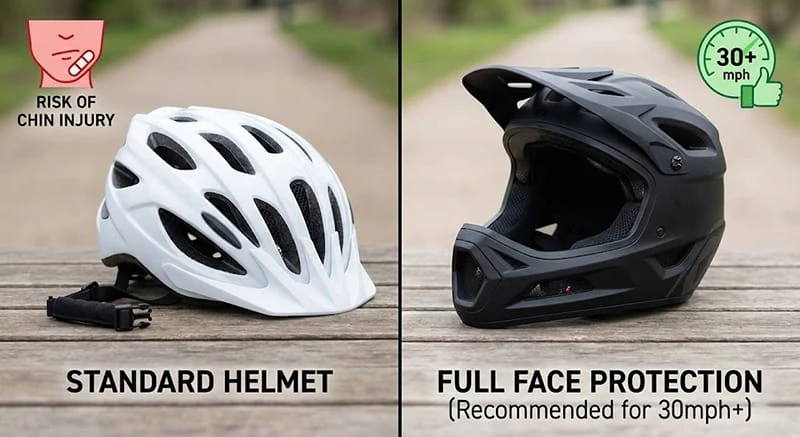
Half Face vs. Full Face: Choosing the Right Gear
Not every rider needs a motocross helmet. Your choice should depend entirely on what you ride and how you ride it.
| Feature | Half Face (Commuter) | Full Face (Off-Road/High Speed) |
|---|---|---|
| Best For |
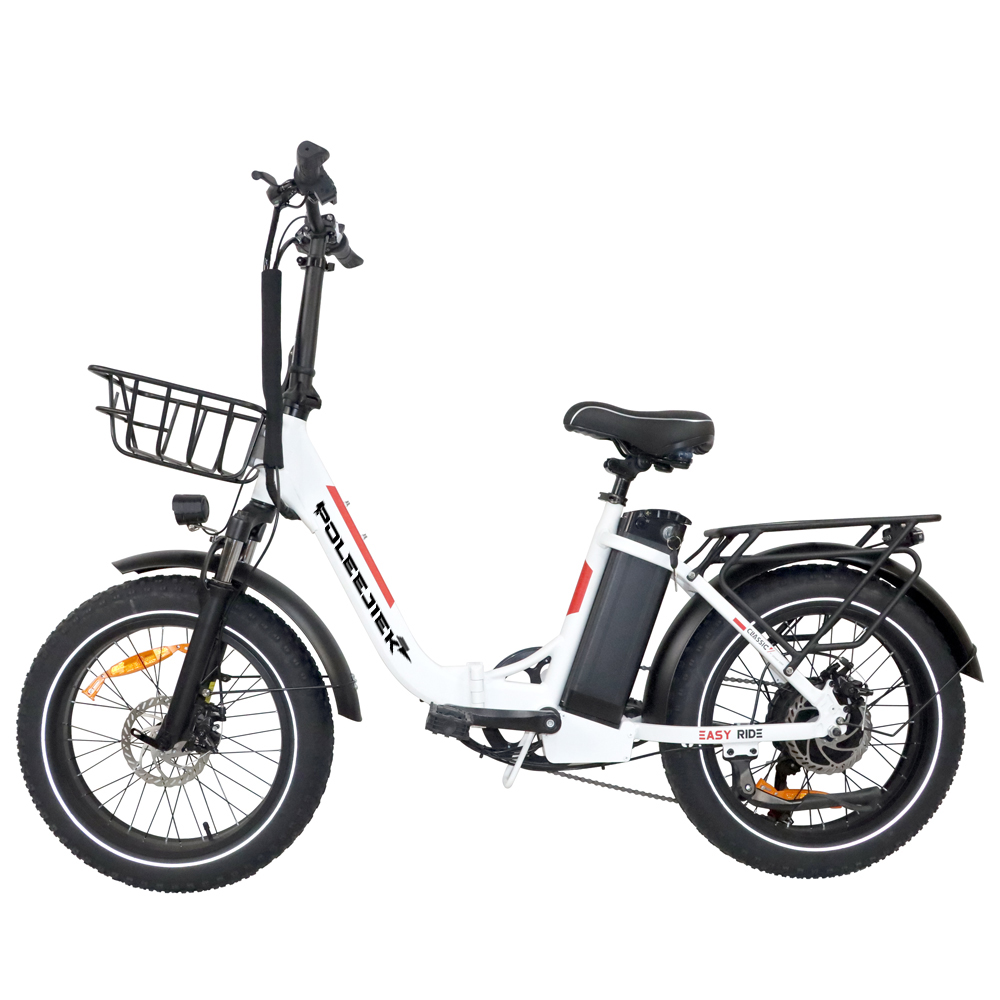
Class 1 & 2 E-Bikes (Under 20mph) e.g., Poleejiek Commuter Series |
Class 3 & Off-Road E-Bikes (28mph+) e.g., Poleejiek F6 |
| Primary Advantage | Lightweight, Ventilation, Visibility | Total Face Protection (Chin & Teeth) |
| Safety Standard | Look for NTA-8776 | Look for DOT or Downhill Certification |
Option A: The Half Face (Commuter)
If you are using your e-bike strictly for city commuting at moderate speeds, a high-quality half-shell helmet with MIPS technology and NTA-8776 certification provides excellent balance between safety and comfort.
Option B: The Full Face (The Poleejiek Recommendation)
If you own a high-performance model like the Poleejiek F6, you aren't just riding a bike; you are piloting a lightweight electric vehicle. Data shows that 35% of head impacts in two-wheeler accidents occur on the chin and jaw area. A half-face helmet leaves this completely exposed.
Expert Tip: For off-road riding or speeds consistently above 25mph, a Full Face helmet is not "overkill"—it is essential insurance for your face.
Top Electric Cycle Helmet Picks for 2026
We don't sell helmets, but we want you safe so you can keep riding our bikes. Here are the models widely trusted by the community:
- Best for Commuting: Giro Camden MIPS. This helmet is NTA-8776 certified and features an integrated rear light—perfect for city visibility.
- Best for Poleejiek F6 Riders: Bell Super Air R. This acts as a hybrid. It has a removable chin bar, meaning you can have full protection on the dirt trails and convert it to a half-shell for a casual ride.
- Best Heavy Duty: Fox Proframe. Extremely lightweight for a full face, but offers downhill-rated protection.
Safety Is a System: Brakes and Build
A helmet is your last line of defense. Your first line of defense is your bike's ability to stop.
This is why we engineer the Poleejiek F6 with full Hydraulic Disc Brakes rather than mechanical ones. When you are moving fast, you need stopping power that matches your motor's torque. A great helmet combined with weak brakes is a recipe for disaster. Investing in a high-performance e-bike means investing in a machine that handles as well as it accelerates.
Ride Fast, Ride Safe.
You only have one head—don't try to save $100 by buying a cheap helmet. If you are ready for the thrill of a high-performance electric cycle that warrants this level of protection, check out our latest lineup.
Explore the Poleejiek F6Frequently Asked Questions About E-Bike Helmets
A: Generally, yes, for safety. However, full motorcycle helmets can be heavy and limit ventilation. For electric cycles, a "Downhill" (DH) rated mountain bike helmet or an NTA-8776 helmet is often the better balance of weight and protection.
A: In many US states (like California), helmets are legally required for all riders of Class 3 e-bikes (up to 28mph), regardless of age. Always check your local e-bike laws.
A: You should replace your helmet every 3-5 years due to material degradation, or immediately after any crash where the helmet hits the ground, even if it looks fine outside.