The Hidden Cost of Cheap Gas Dirt Bikes: A 3-Year Ownership Math (2026 Analysis)
1. The Price Tag Illusion: The $500 Temptation
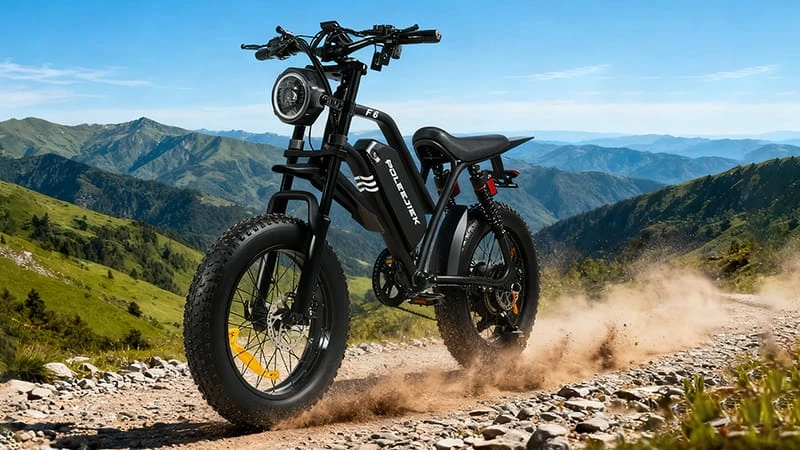
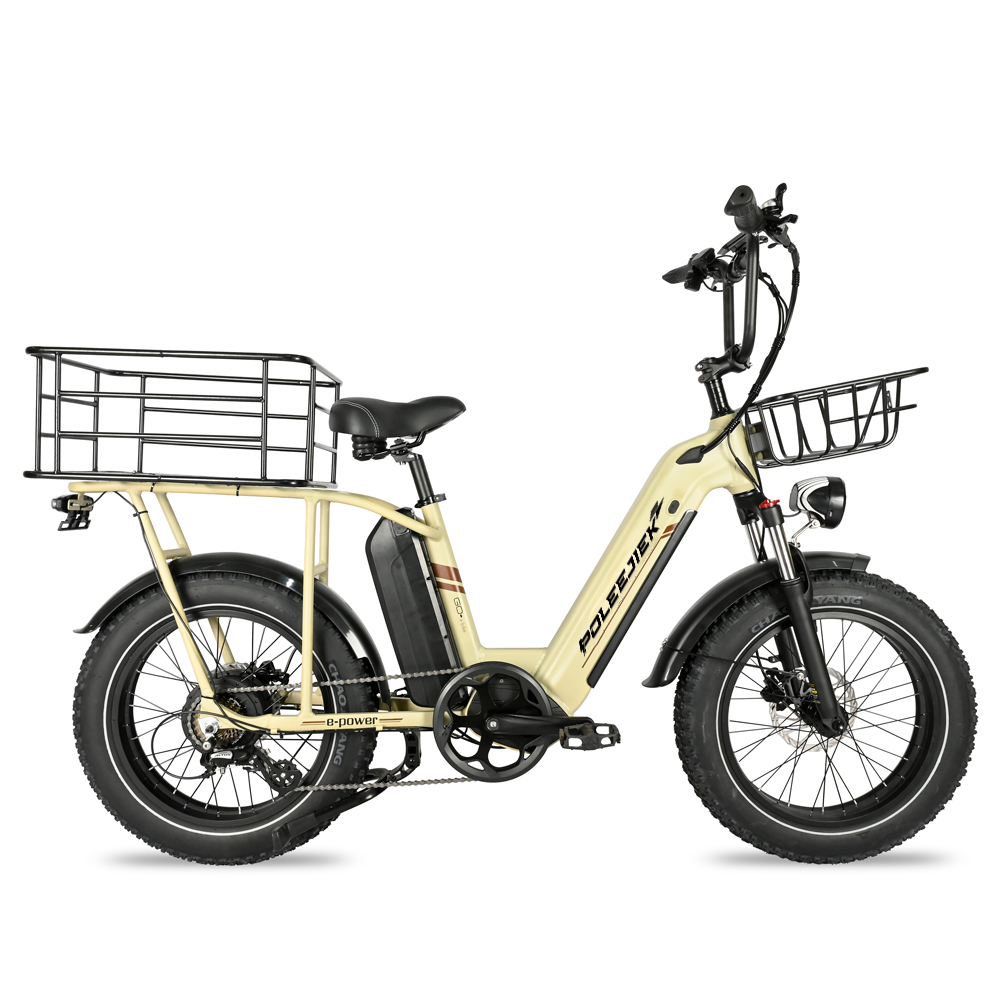
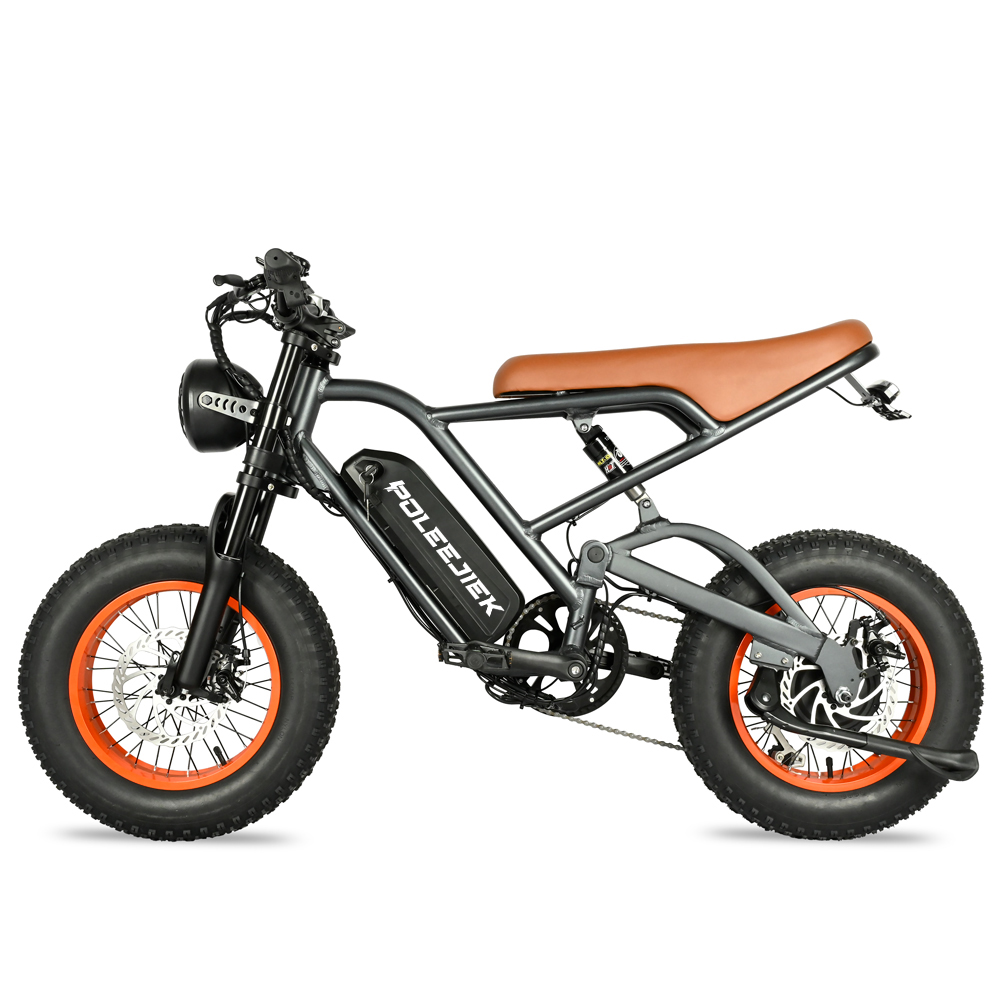
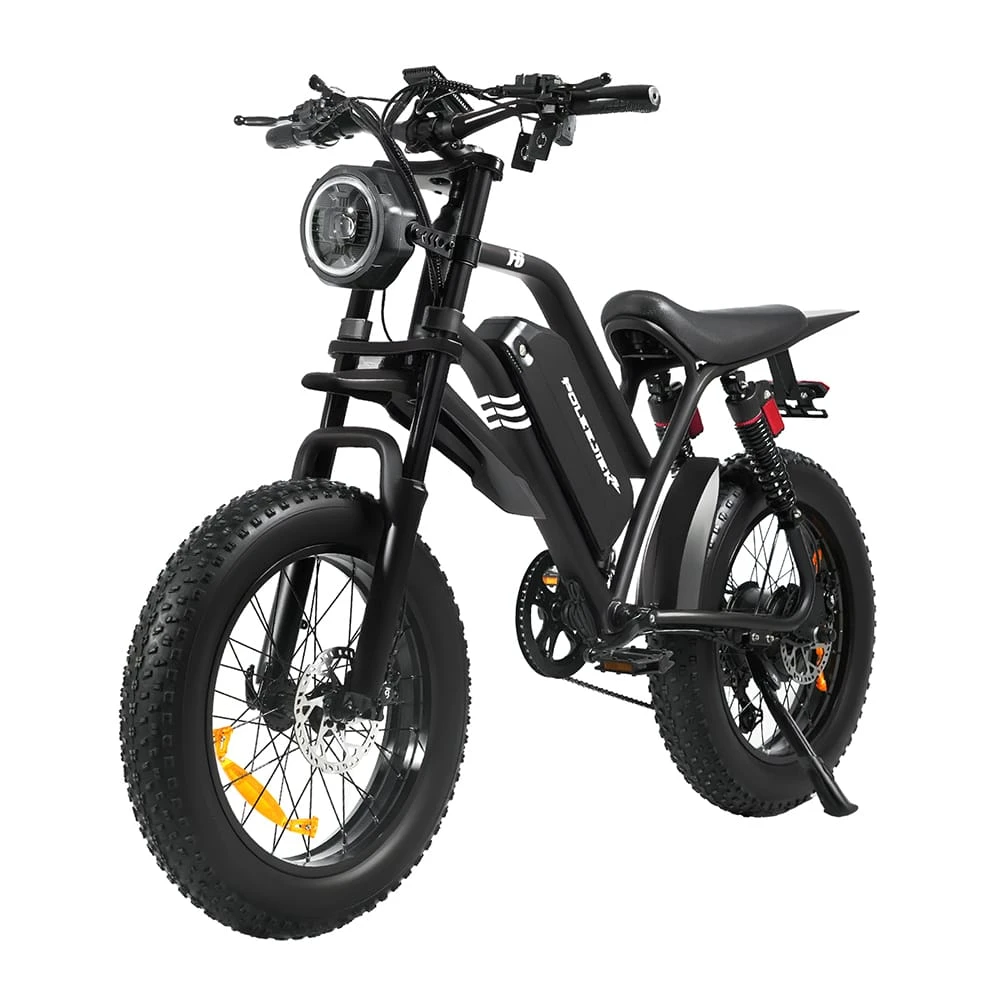
We’ve all seen them: shiny 125cc "pit bikes" on Amazon or eBay for $400 to $600. For a budget-conscious rider or a parent looking for a first bike, it looks like a steal compared to a $1,300+ professional electric model like the Poleejiek F6.
But here is the reality of 2026: that $500 price tag isn't the final cost; it’s a "down payment" on a nightmare. Like cheap inkjet printers where the ink costs more than the machine, cheap gas dirt bikes are designed for high-frequency maintenance. Our math shows that within 36 months, the "cheap" bike becomes the most expensive item in your garage.
2. Hidden Cost I: The Fuel and Oil Burn
In 2026, fuel efficiency isn't just an environmental concern—it's a financial one. With gas prices averaging $4.50 per gallon, the cost to keep a combustion engine running adds up fast.
- Gas Bike: An average weekend rider consumes 30–40 gallons per year. When you add the cost of 2-stroke mixing oil or 4-stroke synthetic oil changes, you are looking at roughly $200/year.
- Poleejiek F6: At an average electricity rate of $0.15/kWh, a full charge costs only pennies. Your annual "fuel" cost is roughly $15.
Over 3 years, the fuel gap alone is $555—nearly enough to buy a second battery! Check out our detailed Gas vs Electric Dirt Bike Comparison for more data.
3. Hidden Cost II: The Repair Nightmare (Time is Money)
Cheap gas bikes suffer from what we call "Soft Metal Syndrome." To hit that $500 price point, manufacturers use low-grade alloys for chains, bolts, and levers. They snap under pressure.
The Carburetor Curse: This is the #1 problem. If you leave a gas bike for 3 weeks without draining the fuel, the ethanol-clogged jets will prevent it from starting. A professional carburetor clean costs $100+, while a DIY fix takes an entire Saturday afternoon.
The Engine Lifespan: Cheap 125cc engines often require a "Top End Rebuild" (new piston rings and gaskets) after just 50–70 hours of riding. Between parts and labor, you’ll likely spend $200+ annually just to keep it from becoming a paperweight. On the other hand, the Poleejiek F6 uses a brushless mid-drive motor with only one moving part. There are no valves to adjust, no spark plugs to foul, and no carburetors to clog. See our F6 Maintenance Checklist to see how simple it is.
4. Hidden Cost III: Resale Value (Asset vs. Scrap)
Think about the exit strategy. A 3-year-old "cheap" gas bike is usually worth $50 to $100, often sold "as-is" because it won't start. It has zero brand equity.
The Poleejiek F6 maintains a high residual value. Because the frame is high-grade aluminum and the electronics are modular, a well-kept F6 can easily fetch $500–$600 on the used market. You aren't just spending money; you are holding an asset.
5. The Ultimate Showdown: Total Cost of Ownership (TCO)
| Cost Item | Cheap Gas Bike ($500) | Poleejiek Electric F6 |
|---|---|---|
| Upfront Cost (incl. shipping/prep) | $700 | $1,300 |
| Fuel / Energy (3 Years) | $600 | $45 |
| Repairs & Maintenance (3 Years) | $600+ | $150 |
| Total Spent | $1,900 | $1,495 |
| Estimated Resale Value | -$100 | -$600 |
| NET COST | $1,800 | $895 |
| Winner | - | Poleejiek (Saves ~$900) |
6. Why the Poleejiek F6 is an Investment, Not a Consumption
When you choose the F6, you are paying for the Technology of Certainty. Our high-density Lithium-ion batteries and Brushless DC (BLDC) motors are engineered for thousands of cycles.
Moreover, you are buying Time. Every hour spent cleaning a carburetor or mixing fuel is an hour you aren't on the trails with your family. The F6 is "Plug-and-Play"—charge it overnight, and it’s ready when you are. No noise complaints from neighbors, no greasy hands, and no frustration.
Frequently Asked Questions (FAQ)
A: Top speed might be similar, but acceleration is where electric wins. The Poleejiek F6 provides 100% of its torque instantly. In off-road technical sections, the electric motor's "snap" is much more effective than a cheap gas engine's slow build-up.
A: With proper care, our Lithium cells are rated for 800+ full charge cycles. For most riders, this means 4–6 years of peak performance before any significant capacity drop.
A: Yes. Unlike gas bikes, there is no hot exhaust to burn legs and no complex clutch to master. It’s "twist-and-go," allowing new riders to focus on balance and safety. Learn more in our guide to Electric Dirt Bikes for Adults.
7. Conclusion: Don't Pay the "Cheap" Tax
The $500 gas bike is a siren song that leads to a rocky shore of repair bills and mechanical frustration. In the 2026 economy, the math is undeniable: Electric is the smarter, cheaper, and more reliable choice.
Do you want to be a mechanic, or do you want to be a rider? Invest in quality once, and enjoy the silence of the trails for years to come.
Stop Fixing. Start Riding.
Experience the math-verified savings of the Poleejiek F6.
Shop the Poleejiek F6 Now