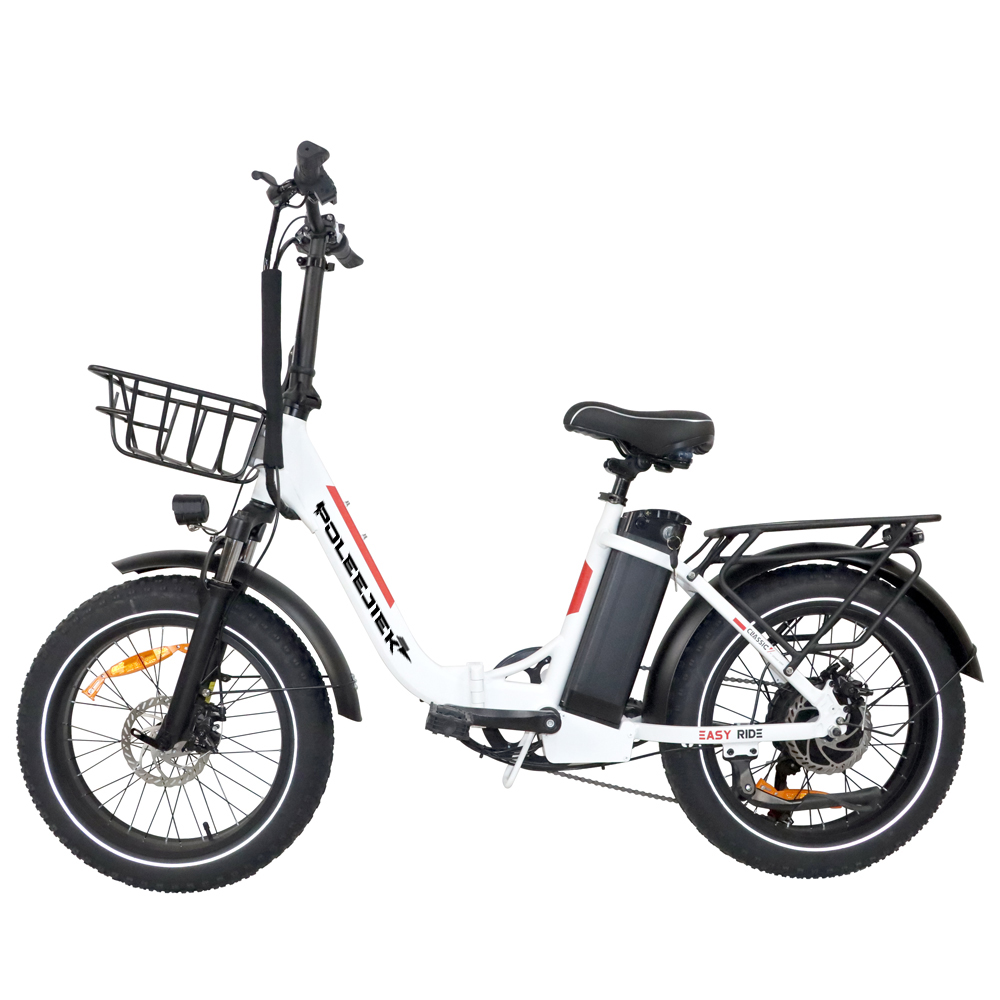
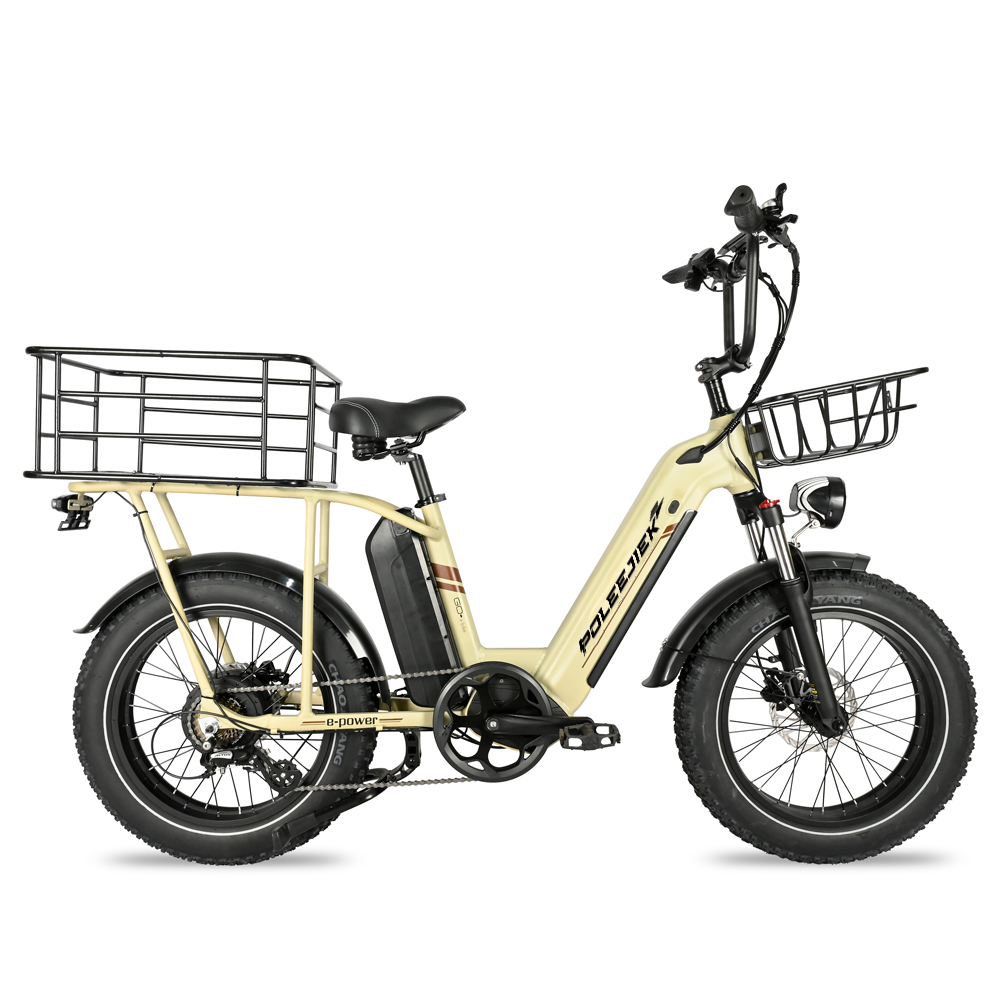
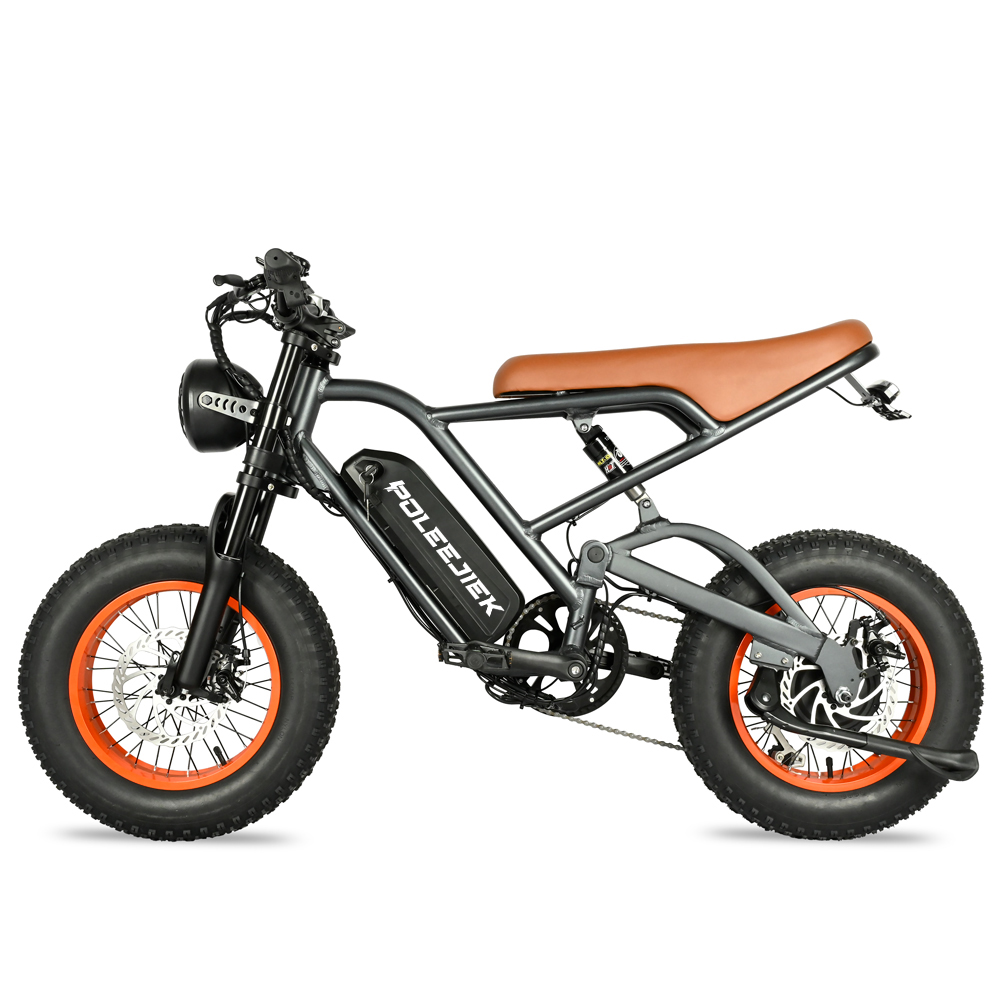
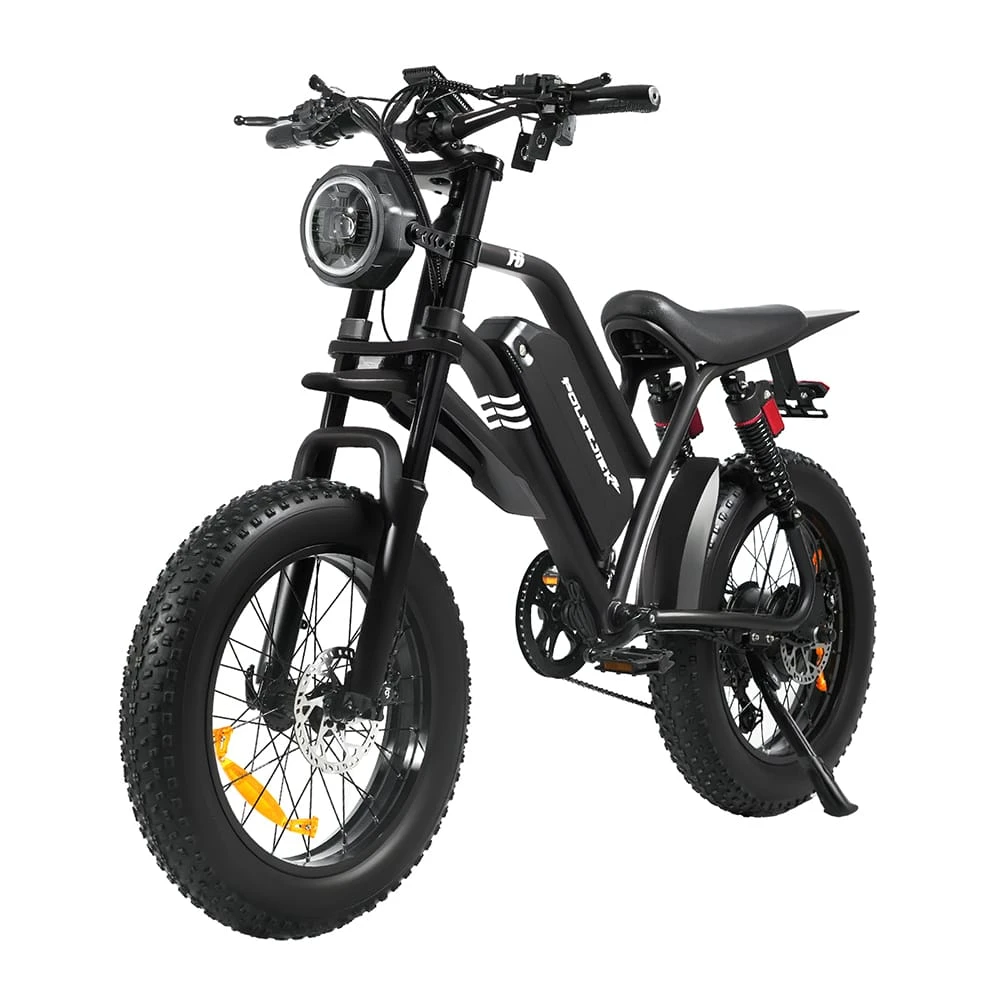
Commercial E-Bike Fleet TCO: 2025 ROI Analysis Guide
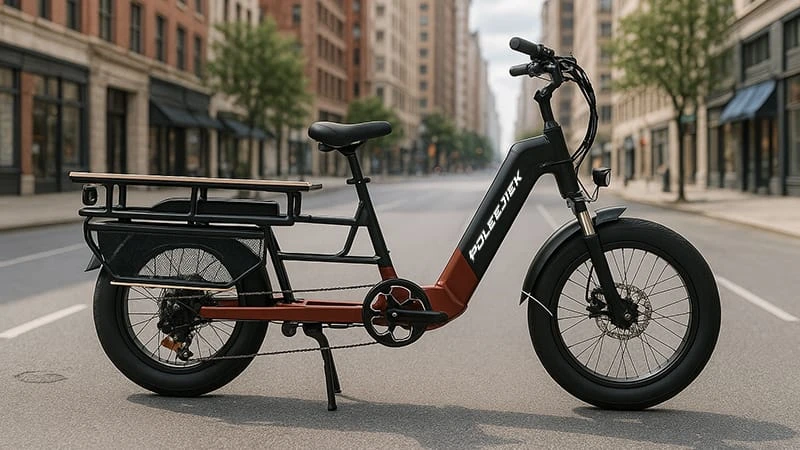
As urbanization intensifies, logistics leaders face a "Last-Mile Paradox": demand for faster delivery is rising, yet congestion makes traditional vans increasingly expensive to operate. According to the World Economic Forum, urban last-mile delivery is expected to grow by 78% by 2030. Without adapting fleet composition, this could increase congestion by 21% and delivery times by double digits.
Executive Summary: The Business Case for E-Cargo Fleets
For fleet directors prioritizing TCO (Total Cost of Ownership) and ESG goals, the shift to 2-wheel logistics offers measurable advantages:
- Tangible ROI: Switching to commercial e-cargo bikes can yield operational savings of ~$7,800 per vehicle/year.
- Regulatory Future-Proofing: POLEEJIEK fleets are engineered to meet strict Ultra-Low Emission Zone (ULEZ) standards.
- Operational Efficiency: E-cargo bikes can operate 60% faster in congested city centers compared to vans (Source: University of Westminster Study).
TCO Analysis: Electric Cargo Bike vs. Light Commercial Van
Cost reduction is the primary driver for electrification. Below is a comparative model based on annual operating costs for a standard ICE van versus a specialized commercial delivery e-bike designed for high-frequency logistics.
| Cost Variable | Electric Cargo Bike (Commercial) | Light Commercial Van (Gas/Diesel) |
|---|---|---|
| CapEx (Purchase) | $4,000 - $8,000 | $35,000 - $50,000 |
| Fuel / Energy Cost [1] | ~$150 / year | ~$4,500+ / year |
| Maintenance & Repair [2] | ~$300 / year | ~$1,500+ / year |
| Tax, Insurance & Parking | ~$200 / year | ~$2,500+ / year |
| Est. Annual OpEx Savings | Saving: ~$7,850 per unit | - |
[1] Energy: Based on 12,000 miles/year. Van: 20 MPG @ $4.00/gal. E-Bike: 20Wh/mile @ $0.16/kWh industrial rate.
[2] Maintenance: Van estimates include oil changes, transmission fluids, and tires. E-bike maintenance focuses on brake pads, tires, and electric drivetrain system checks.
The Hidden Costs: Insurance and Licensing
Beyond fuel, the administrative burden of vans is significant. Commercial vans typically require drivers with specific licenses and clean driving records, limiting your labor pool. In contrast, Class 2 e-bikes (throttle-assist) and Class 3 models generally do not require commercial driver's licenses (CDL) in many jurisdictions, drastically reducing recruitment costs and insurance premiums.
Technical Requirements for Commercial Uptime
A common mistake fleets make is purchasing consumer-grade bikes for industrial work. Fleet ROI depends on MTBF (Mean Time Between Failures). To ensure longevity, logistics managers should look for these specifications:
- ISO 4210 Reinforced Frames: Essential for liability insurance, tested for payloads exceeding 150kg (330lbs).
- High-Torque Powertrains: Motors (60-90Nm) specifically wound for heavy hill starts under load.
- Heavy-Duty Braking: 4-Piston hydraulic systems are necessary for stopping heavy payloads in wet urban conditions—consumer mechanical brakes are insufficient.
- UL-Certified Battery Systems: Meeting UL 2849 and UL 2271 standards is now a requirement for many commercial property insurance policies.
Regulatory Compliance: Avoiding Liability
Navigating the legal landscape is critical. We customize our OEM solutions to match your target market's framework:
- North America: Configured to comply with PeopleForBikes standards (typically Class 2 or Class 3), ensuring legal sidewalk or bike lane access where permitted.
- European Union (EN 15194): 250W EPAC compliant motors for legal access without vehicle registration.
Selecting a Fleet Partner: The POLEEJIEK Standard
When choosing an OEM/ODM partner for your fleet, look for manufacturing agility. POLEEJIEK is an ISO 9001-certified manufacturer specializing in all-terrain e-bikes and cargo solutions tailored for business.
- Custom Cargo Fabrication: We design insulated food boxes or secure parcel lockers to fit your specific goods.
- Fleet IoT Integration: Options for real-time asset tracking and maintenance alerts to reduce downtime.
"Implementing POLEEJIEK e-bikes increased our delivery density by 25% by avoiding traffic delays."
Request a Fleet Quote & TCO Analysis
Frequently Asked Questions (Fleet Manager FAQ)
Do POLEEJIEK bikes meet US UL Safety Standards?
Yes. Our systems meet UL 2849 and UL 2271, which are critical for commercial fire safety and insurance compliance.
What is the realistic lifespan of a commercial e-bike?
A commercial-grade frame lasts 5+ years. Consumables like brake pads need quarterly replacement, while high-performance batteries typically retain capacity for 2-3 years of daily use.
Can you customize cargo boxes for specific parcel sizes?
Yes. As an OEM, we design insulated or shelved boxes to suit your specific cold-chain or courier operational needs.