The "Moto-Style" Revolution: Why Moped-Style E-Bikes Are the Hottest Inventory Trend for 2026
Introduction
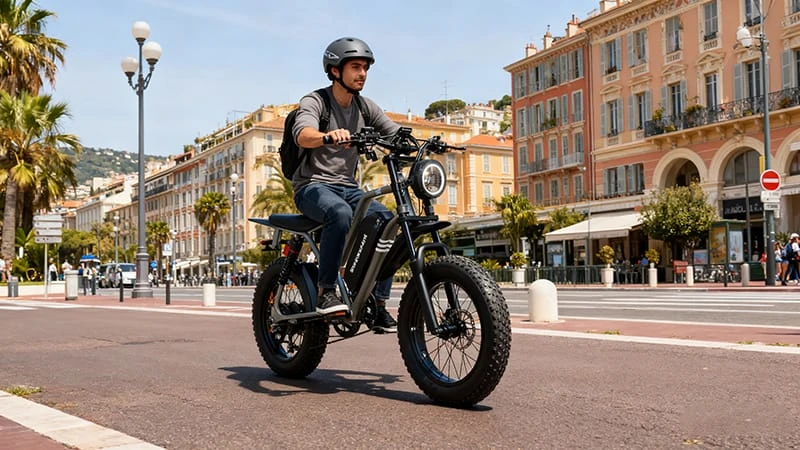
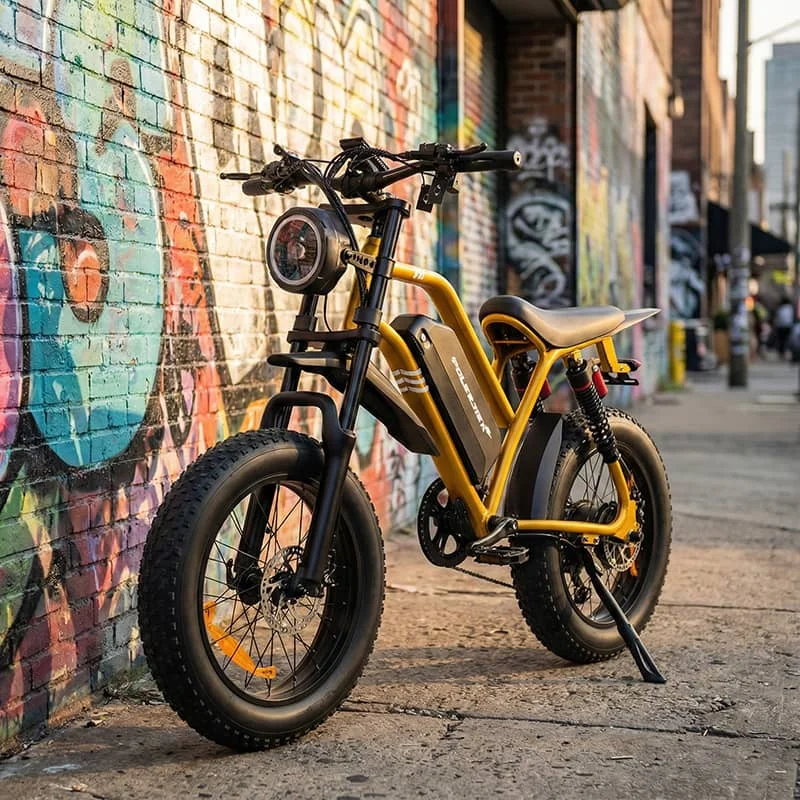
Walk into any trendy urban district in Berlin, Los Angeles, or Shanghai, or stroll through a university campus, and you will notice a distinct shift in the mobility landscape. The traditional "double-triangle" bicycle frame—the standard for over a century—is no longer the only king of the road. It is being rapidly flanked by vehicles that boast long bench seats, oversized retro headlights, and rugged, moto-inspired aesthetics.
This is the rise of the moped style ebike.
For bicycle dealers and distributors, recognizing this shift is not just about keeping up with fashion; it is about survival and growth in a competitive 2026 market. Modern consumers, particularly Gen Z and Millennials, are viewing electric mobility through a new lens. They are not looking for a "bicycle with a battery"; they are looking for a lifestyle vehicle that offers the visual swagger of a motorcycle with the accessibility and legality of an e-bike.
This article analyzes the explosion of this category and provides a strategic roadmap for dealers. We will explore why the "moto-look" drives foot traffic, how the Poleejiek F6 differentiates itself in a sea of underpowered clones, and why stocking cool electric bikes with high-performance specs is the key to securing high-margin sales in the coming fiscal year.
Decoding the Trend: What is a "Moped-Style" E-Bike?
To sell the product effectively, we must first define the category. A moped style ebike (often overlapping with terms like scrambler ebike or "moto-style") is defined less by its technical classification (Class 2 or Class 3) and more by its geometry and visual identity.
1. Visual Appeal: The "Head-Turner" Factor
Traditional e-bikes often blend into the background. In contrast, moped-style bikes are designed to be seen. As noted by industry observers at Electrek, this category effectively bridges the gap between bicycles and motorcycles, offering the "cool factor" that traditional frames lack.
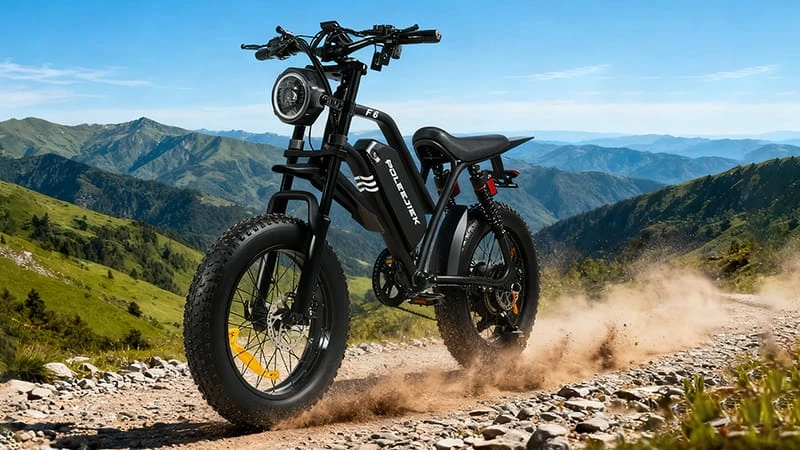
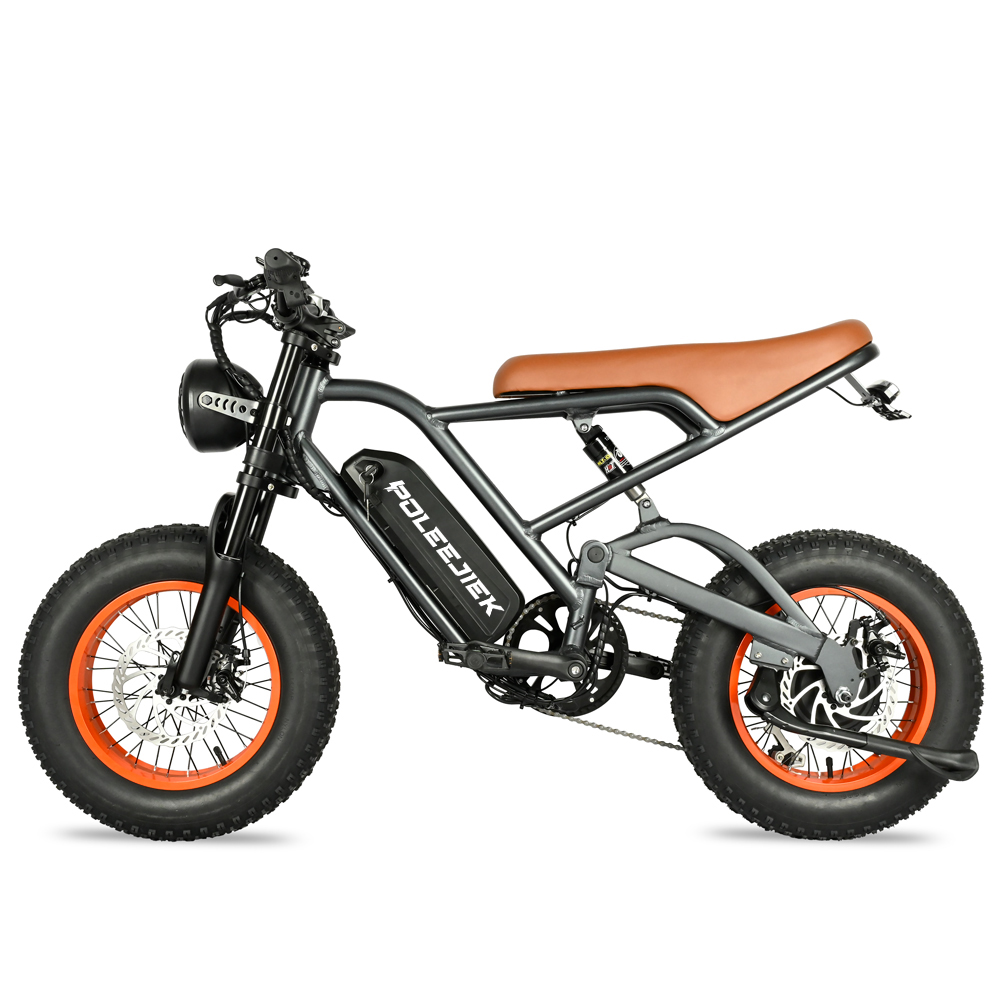
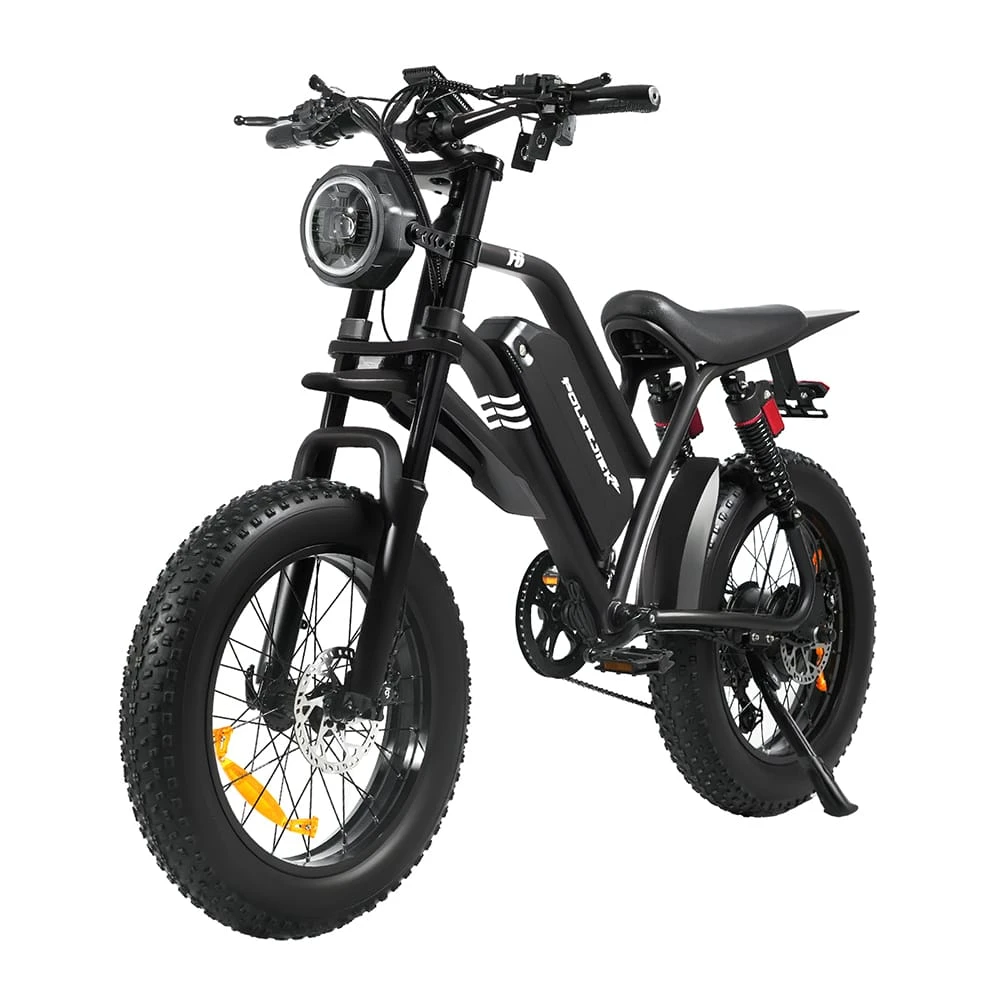
- The Bench Seat: Unlike the adjustable saddle of a mountain bike, these bikes feature a fixed, elongated seat. This changes the silhouette entirely, making the bike look more substantial and premium.
- Retro Lighting: Large, round LED headlights are a staple, signaling "motorcycle" to the subconscious mind of the buyer.
- Stance: With 20x4 inch fat tires, these bikes have a low center of gravity and a muscular stance that appeals to customers who might find skinny-tire road bikes "fragile" or "intimidating."
2. The Comfort Factor
Visuals attract the customer, but comfort closes the sale. One of the primary barriers to entry for new cyclists is the discomfort of traditional bicycle saddles.
- Sofa-Like Ride: The electric moped bike offers a seating position that is upright and relaxed. The wide bench seat distributes weight more evenly than a sport saddle, meaning riders can commute in jeans or office wear without needing padded cycling shorts.
- Suspension: Because these bikes mimic motorcycles, customers expect motorcycle-grade comfort. The suspension systems on these models are generally tuned for plushness, absorbing city potholes and curb drops effortlessly.
3. B2B Value: The Showroom Magnet
From a dealer’s perspective, these bikes are "halo products." Even if a customer eventually buys a standard commuter bike, the moped-style bike is what gets them to stop at the window. They generate social media engagement and organic shares, acting as a physical advertisement for your shop's inventory diversity.
The "Looks" Sell, But "Power" Retains: The F6 Advantage
While the aesthetic of the moped style is what opens the wallet, performance is what prevents returns and ensures long-term satisfaction.
The Market Pain Point
A critical issue in the current wholesale market is the prevalence of "all show, no go" models. Many generic best moped style ebike contenders look aggressive but are powered by weak 500W or nominal 750W motors that struggle on inclines. When a customer buys a bike that looks like a motorcycle but struggles to climb a 15% grade, buyer's remorse sets in immediately.
The Poleejiek F6 Solution: A Performance-First Approach
The Poleejiek F6 was engineered to close the gap between the "moto" aesthetic and actual "moto" performance. It is not a toy; it is a robust transportation tool.
1. Uncompromising Power
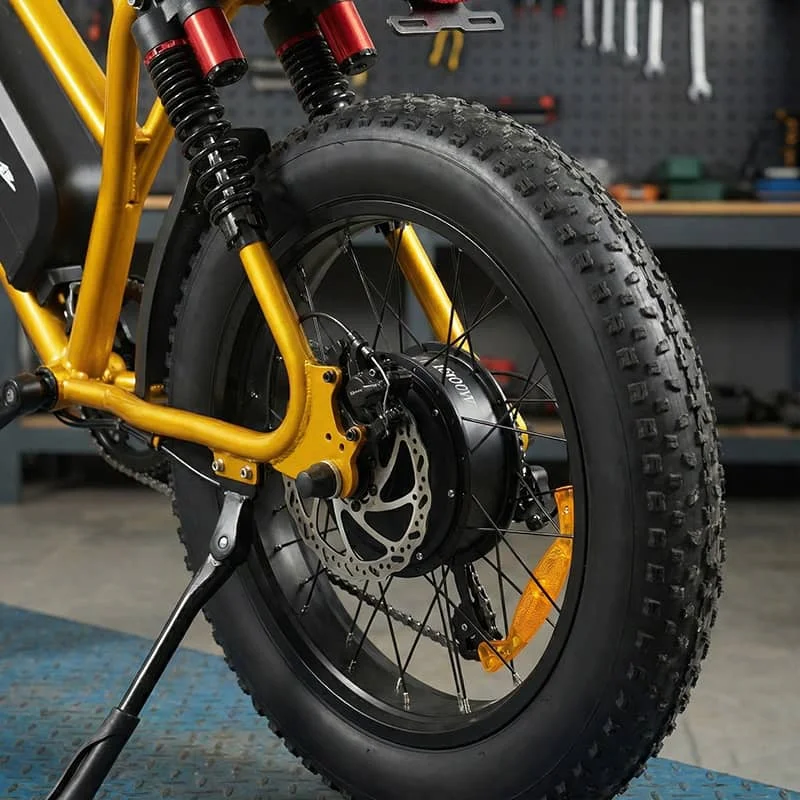
The F6 is equipped with a brushless motor capable of a 1500W peak power output.
- Why this matters to dealers: When a customer test rides the F6, the acceleration (torque) creates an immediate emotional connection. That "push back in the seat" feeling is the strongest sales closer in the electric vehicle industry. It validates the rugged look of the bike.
- Hill Climbing: Unlike competitors that stall on steep driveways, the F6’s 1500W peak ensures it devours hills, making it viable for users in hilly regions.
2. Battery Capacity and Range Anxiety
The industry standard for moped-style bikes often hovers around 48V 13Ah or 15Ah. The F6 disrupts this by including a 48V 20Ah battery as standard.
- Lifespan: A larger capacity battery undergoes fewer deep discharge cycles for the same mileage, resulting in a 30% longer lifespan compared to standard models.
- Range: This capacity supports the higher power output. Higher voltage systems (48V vs 36V) run more efficiently, reducing heat and strain on the controller (see Battery University's guide to EV efficiency).
3. Industrial Durability
While the F6 is marketed as a stylish electric bike for adults, its construction is derived from off-road engineering.
- Reinforced Steel Frame: The chassis is built to handle the stress of 1500W torque and off-road abuse.
- IP54 Waterproof Rating: Essential for all-weather commuting, reducing warranty claims related to water ingress.
Expanding Your Customer Base: Who Buys These Bikes?
One of the greatest advantages of stocking the F6 and similar moto-style bikes is the breadth of the target demographic. You are not just selling to cyclists; you are selling to automotive and lifestyle customers.
1. The Gen Z & Student Market
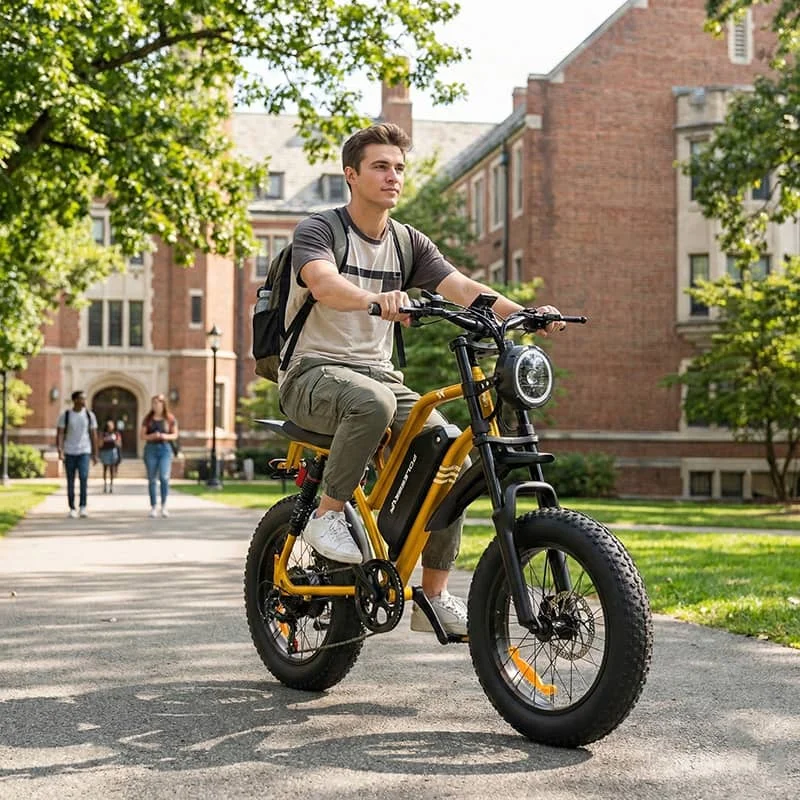
For many in Generation Z, a car is a financial burden. According to recent insights from McKinsey & Company, younger generations are shifting from "drivers" to "riders," often delaying obtaining their driver's licenses in favor of micro-mobility solutions.
- The Pitch: The F6 offers the freedom of a car and the swagger of a motorcycle, often without the requirement for a license, registration, or insurance. It is the ultimate campus connector.
2. The "Retro" Lover
There is a significant demographic of men and women aged 35-55 who appreciate the nostalgia of 70s mini-bikes. They have disposable income and value aesthetics highly. They want a vintage electric bike that looks good parked in their garage or outside a coffee shop.
Internal Resource: For more on this demographic, refer to our guide on The Best Retro Electric Bikes 2025.
3. The "Comfort" Seeker and RV Owners
This group includes older riders or those with minor mobility issues who find swinging a leg over a high top-tube difficult, or who find narrow saddles painful. The F6’s step-through friendly geometry and bench seat make it highly accessible. Furthermore, RV owners love these for "last-mile" transport around campsites.
Internal Resource: Compare this with other comfort options in our Commuter vs. Cruiser Electric Bikes Guide.
Inventory Strategy: Moped Style vs. Traditional MTB
For a balanced showroom in 2026, dealers must analyze their floor plan allocation. Why should you displace a traditional E-MTB (Electric Mountain Bike) to make room for an F6?
The Comparison
| Feature | Traditional E-MTB | Moped-Style (Poleejiek F6) |
|---|---|---|
| Primary Audience | Sport/Fitness Enthusiasts | Lifestyle/Commuter/Urban |
| Sales Cycle | Longer (Requires technical fit/spec analysis) | Faster (Visual/Emotional decision) |
| Use Case | Trails, Exercise | Commuting, Socializing, Errand Running |
| Maintenance | High (Derailleurs, complex suspension) | Moderate (Hub motors are low maintenance) |
| Visual Impact | Low (Looks like a bike) | High (Draws attention from street) |
The Strategic Recommendation
We recommend that dealers allocate 30%-40% of their lifestyle inventory to moped-style electric bikes for the 2026 season. The rationale is Cash Flow. While high-end E-MTBs may have higher individual price tags, the turnover rate for moped-style bikes is significantly higher due to their broader appeal and lower barrier to entry regarding technical riding skills. The F6 is a "grab-and-go" product.
Why F6 is the "Dealer's Choice" for Moped E-Bikes
Beyond the raw specs, the Poleejiek F6 is designed with the dealer's business model in mind. We understand that margins are made on the bike, but profit is often made on the ecosystem.
1. Customizability and Aftermarket Potential
The moped-style culture is heavily rooted in modification. F6 buyers rarely leave their bikes stock.
- High-Margin Add-ons: The frame and rack design of the F6 accommodate panniers, mirrors, phone mounts, custom decals, and upgraded lighting. Dealers can create "Custom F6 Editions" to boost Average Order Value (AOV).
- The "Blank Canvas": The robust steel frame invites customization, allowing shops to offer installation services for accessories, driving service revenue.
2. Modern Tech Integration: NFC Security
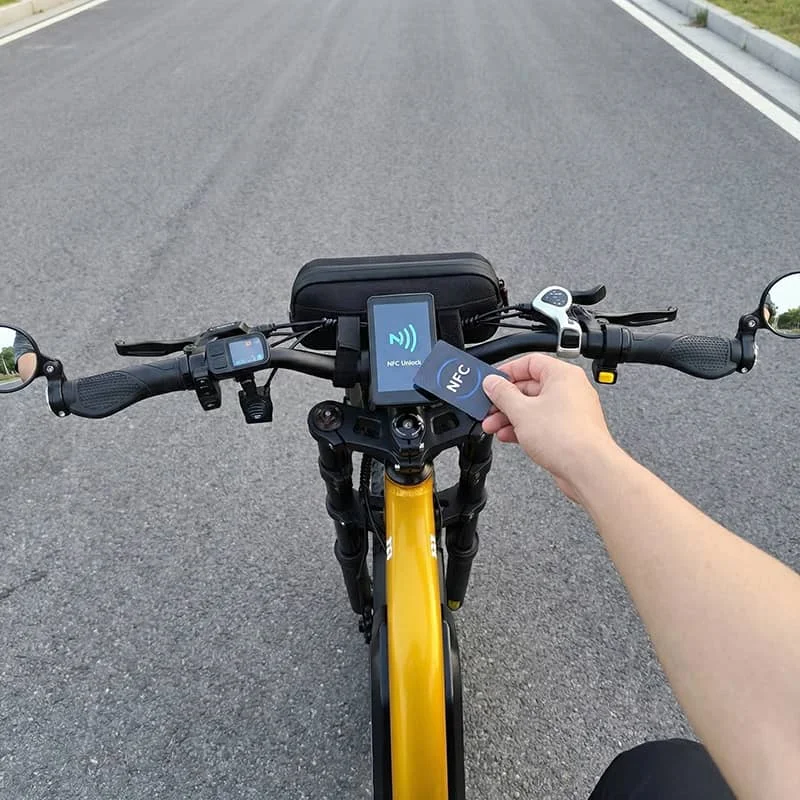
Security is a massive concern for urban riders. The F6 comes equipped with NFC (Near Field Communication) locking technology.
- The USP: Instead of fumbling with keys, the rider uses an NFC card or phone to unlock the bike. This feature screams "high-tech" and creates a premium user experience that justifies a higher price point compared to generic keyed ignitions.
- Demo Value: showing a customer how to unlock the bike with a tap is a powerful sales demonstration moment in the shop.
3. Versatility: Street to Dirt
With its 4-inch fat tires and adjustable suspension, the F6 is marketed as a "dirt bike for adults" that is street-civilized.
- One Bike, Two Worlds: Dealers can pitch this to the customer who wants a commuter during the week and a trail explorer on the weekend. The Shimano 7-speed drivetrain ensures that even if the battery runs low, the rider can pedal home comfortably—a feature often missing on pure electric dirt bikes.
Conclusion
The electric bicycle industry is moving away from a purely utilitarian view of transport toward one that embraces personality, style, and power. The "Moto-Style" revolution is not a passing fad; it is the maturation of the e-bike into a legitimate vehicle class that rivals the moped and the scooter.
For 2026, the question is not if you should stock moped-style e-bikes, but which ones will protect your brand reputation. The Poleejiek F6 offers the perfect synthesis of the "cool factor" that brings customers in, and the 1500W reliability that keeps them happy. It is built to survive the rigors of the road and the demands of the modern consumer.
Don't let your showroom fall behind the trend. Embrace the shift, stock the power, and watch your inventory turn over faster than ever.
Bring the style AND the power to your showroom.
Frequently Asked Questions (FAQ)
Q: Is the Poleejiek F6 legal to ride on the street?
A: The F6 is designed with versatility in mind. While regulations vary by state, many regions follow the three-class e-bike system (Class 2 or Class 3). Dealers should consult local laws, but generally, the pedal-assist capability and speed limiters allow it to fit into e-bike classifications in many regions.
Q: What makes the F6 better than other retro e-bikes?
A: The main differentiator is the power-to-value ratio. While many retro bikes use 500W motors, the F6 offers 1500W peak power and a massive 48V 20Ah battery, providing superior torque and range.
Q: Can the battery be removed for charging?
A: Yes, the battery is removable, allowing riders to charge it inside their home or office, which is a key selling point for urban commuters without garage access.