1500W vs. 1000W E-Bikes: Which Power Level Do Customers Really Want?
1. Introduction: The Allure of Power
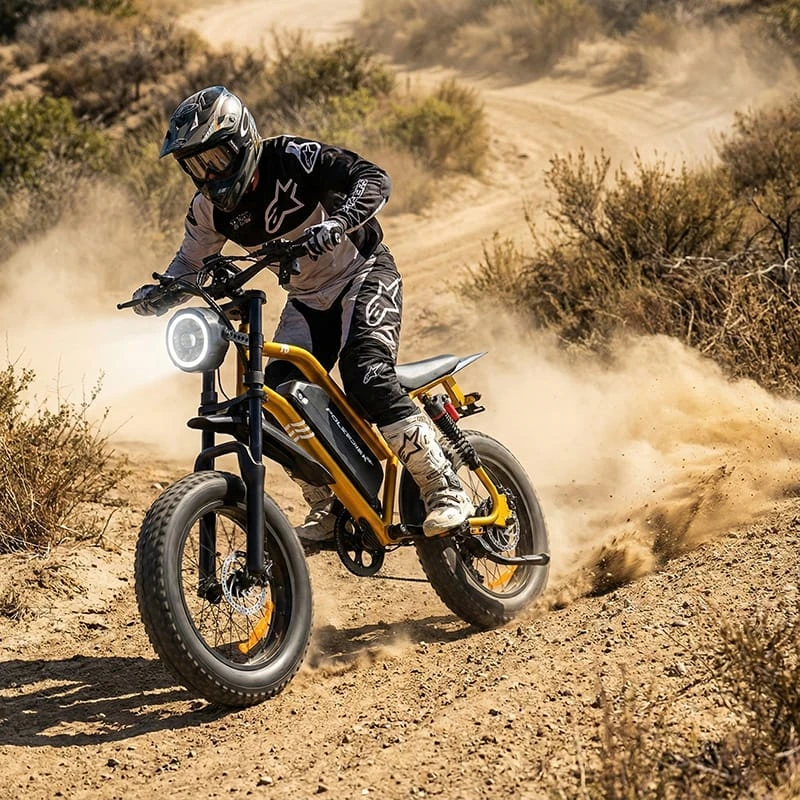
In the rapidly evolving world of the electric dirt bike, "more power" is often synonymous with "more fun." However, for the discerning rider, power isn't just about adrenaline—it is about capability, safety, and the freedom to explore terrain that standard e-bikes simply cannot handle.
As electric mobility matures, a significant debate has emerged among enthusiasts and potential buyers: Is a 1000W motor sufficient, or is the upgrade to a 1500W ebike necessary?
Currently, the market is saturated with 750W models designed to strictly adhere to US Class 2 regulations. While these are excellent for flat pavement commuting, they best electric dirt bike for adults are increasingly finding that lower wattage motors hit a performance ceiling too quickly. They face sluggish acceleration at intersections, an inability to climb steep gradients without intense physical exertion, and a lack of torque in soft terrain like sand or snow.
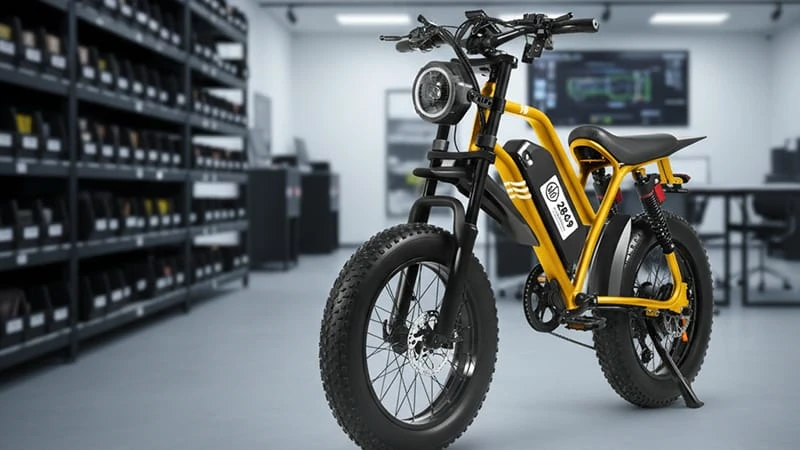
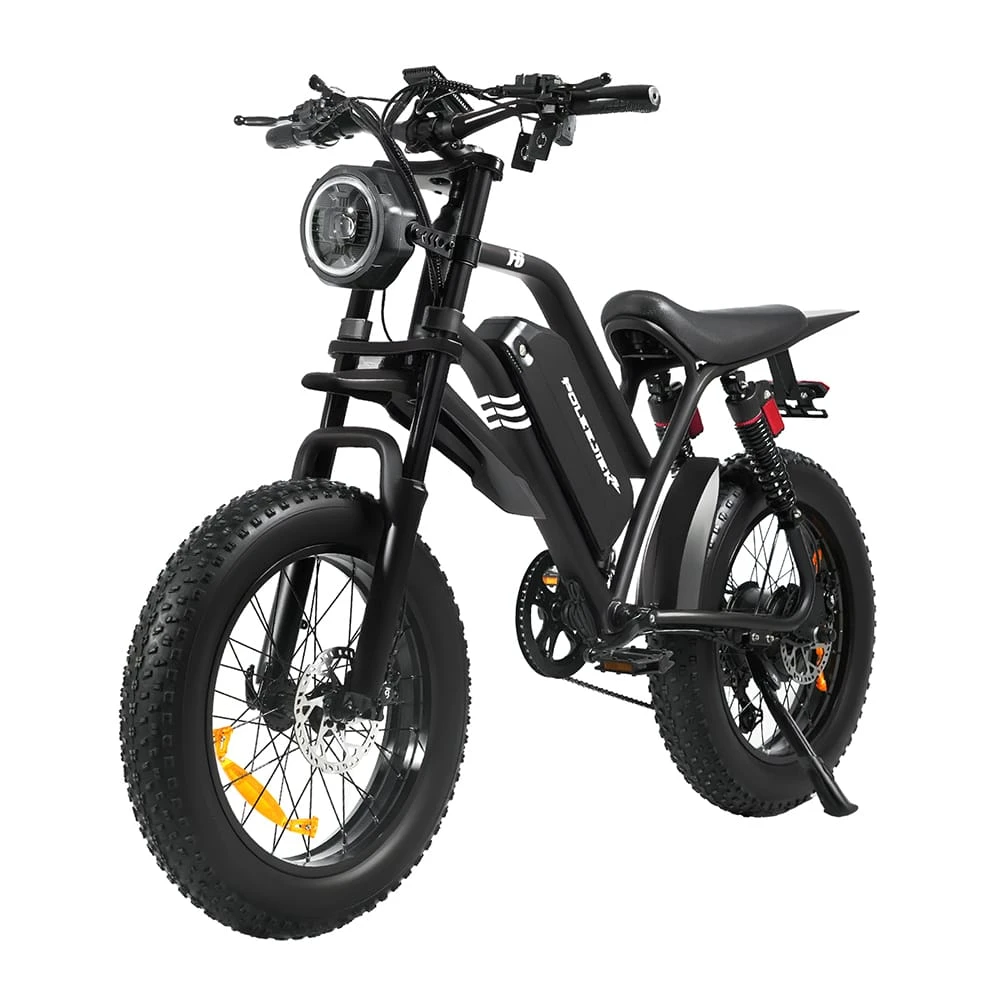
At Poleejiek, we understand this dilemma. Customers are often caught between staying within strict regulatory classifications and the desire for a machine that delivers a genuine "moto" experience. This article breaks down the technical and practical differences between these two power classes and explains why a Peak 1500W configuration—like the Poleejiek F6—represents the ultimate "sweet spot" for modern riders.
2. Nominal vs. Peak Power: The Truth Behind the Numbers
To make an informed decision, it is crucial to understand the technical specifications that manufacturers often obscure. One of the most common sources of confusion in the e-bike industry is the difference between Nominal Power and Peak Power.
Understanding the Terminology
- Nominal Power: This refers to the amount of power a motor can handle continuously over a long period without overheating or sustaining damage. When you see a "1000W electric bike," this is often the nominal rating. It represents the bike's cruising capability.
- Peak Power: This is the maximum power the motor can output for short bursts—usually during acceleration or climbing steep hills. This figure is critical for the "feel" of the bike.
The Misleading "1000W" Label
Many e-bikes labeled as "1000W" are capped at that limit electronically or mechanically. They may offer a steady ride, but they lack the dynamic range required for true off-road performance. Conversely, a system designed for high performance, like the Poleejiek F6, may carry a nominal rating that complies with efficiency standards but is engineered to surge to a Peak 1500W.
This 500W difference in peak output is not trivial. It translates directly to Newton-meters (Nm) of torque. When you twist the throttle on the F6, that peak power allows the silent brushless motor to deliver immediate, forceful rotation to the rear wheel. This ensures that when you need to merge quickly into traffic or power over a root on a trail, the bike responds instantly rather than lagging.
3. The Showdown: 1000W vs. 1500W in Real-World Scenarios
Watts on a spec sheet are one thing; performance on the ground is another. To demonstrate why the most powerful electric bike in this class wins, we must analyze three specific riding scenarios where 1000W motors typically fail to meet expectations.
Scenario 1: Hill Climbing (The Deal Breaker)
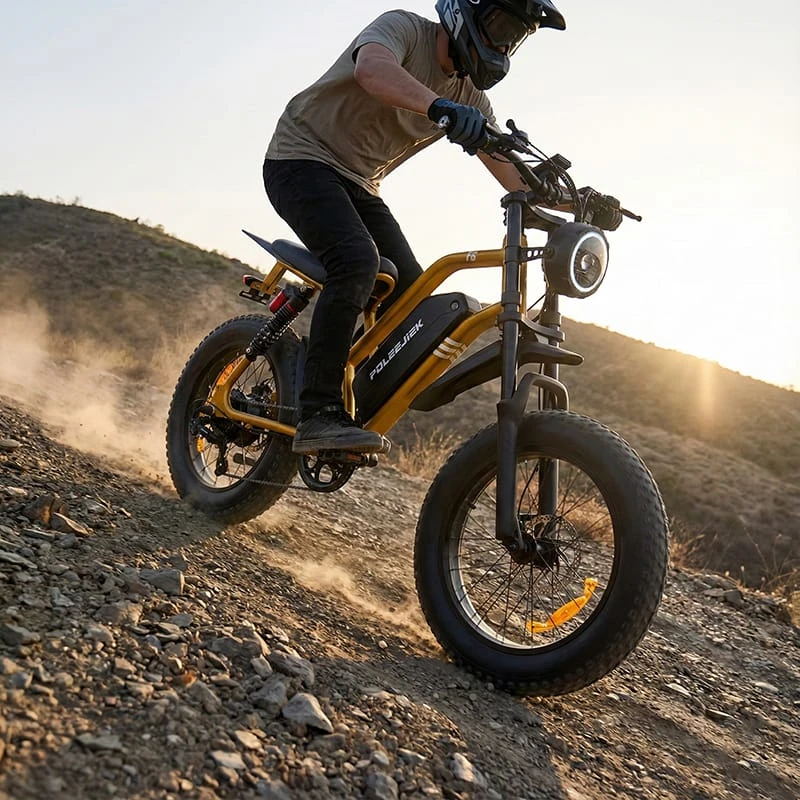
For many riders, the primary reason to buy an off road ebike is to conquer hills that would be exhausting on a traditional bicycle.
- The 1000W Experience: On a moderate incline (10-15 degrees), a 1000W motor performs adequately. However, as the gradient approaches 20 degrees or more—common in off-road trails or hilly cities like San Francisco—the motor begins to struggle. The rider effectively hits a "power wall," forcing them to stand up and pedal aggressively to keep the bike moving.
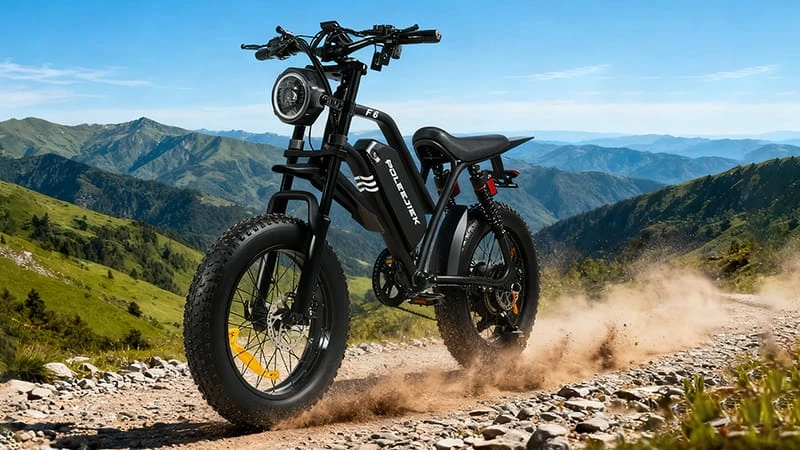
- The 1500W Advantage: The Poleejiek F6, utilizing its peak 1500W capability, changes this dynamic entirely. As a high torque electric bike, it can maintain momentum on steep inclines using the throttle alone. The extra wattage combats gravity more effectively, ensuring the motor remains in its optimal RPM range rather than bogging down and overheating. For riders who want to enjoy the view rather than gasp for air, the 1500W threshold is non-negotiable.
Scenario 2: Top Speed and Acceleration
While top speed is often regulated on public roads, the physics of acceleration are universally important for safety and enjoyment.
- The Acceleration Gap: A 30 mph electric bike isn't just about breaking speed limits; it is about flow. A 1000W bike may eventually reach 28-30 mph, but the curve to get there is gradual.
- Confidence in Traffic: With a Peak 1500W output, the F6 offers motorcycle-grade acceleration off the line. This is a critical safety feature for urban commuting. Being able to accelerate away from a stoplight faster than the cars behind you puts you in a safer position on the road. The F6 allows riders to reach 25MPH+ rapidly, giving the sensation of a fast electric bike that feels planted and responsive, rather than an underpowered bicycle struggling to keep up.
Scenario 3: Weight Capacity and Payload
E-bike performance is heavily dependent on the power-to-weight ratio. This ratio includes the bike, the rider, and any cargo.
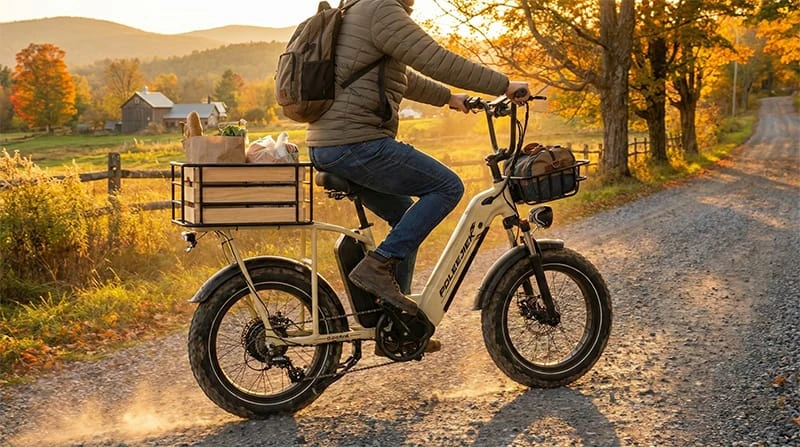
- The Heavy Duty Reality: For a rider weighing 150lbs, a 1000W motor feels snappy. However, for adults weighing 200lbs or more, or for those carrying heavy gear, that same motor can feel sluggish and unresponsive.
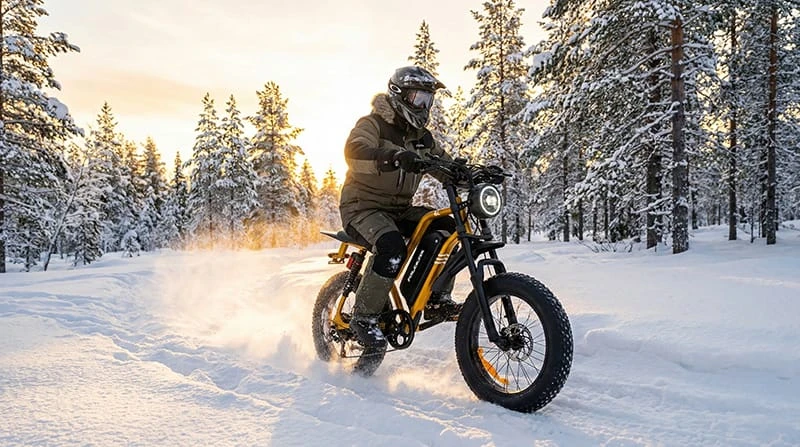
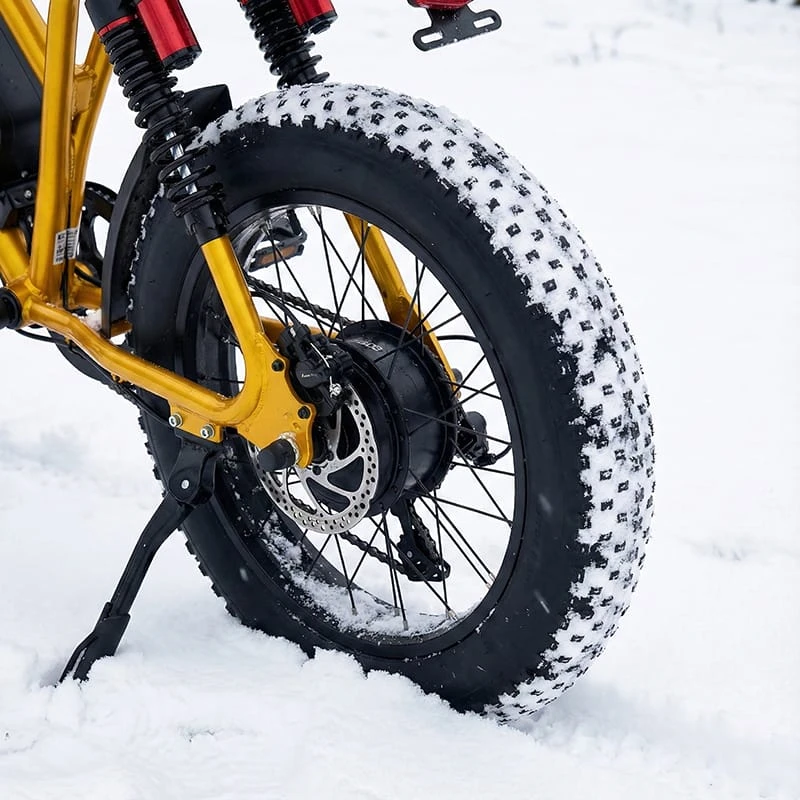
- Consistency Under Load: The Poleejiek F6 is designed as a heavy duty electric bike. The 1500W peak output ensures that performance degradation is minimal even with heavier payloads. Whether you are a larger rider or you are packing camping gear for a weekend trip, the F6 maintains its torque profile. This is particularly vital in soft terrain. In sand or snow, the rolling resistance increases dramatically. A 1000W motor often lacks the raw power to push through, causing the bike to stall. The 1500W motor powers the 4-inch fat tires through the resistance, maintaining traction and forward motion.
4. Why F6 is the King of the 1500W Class
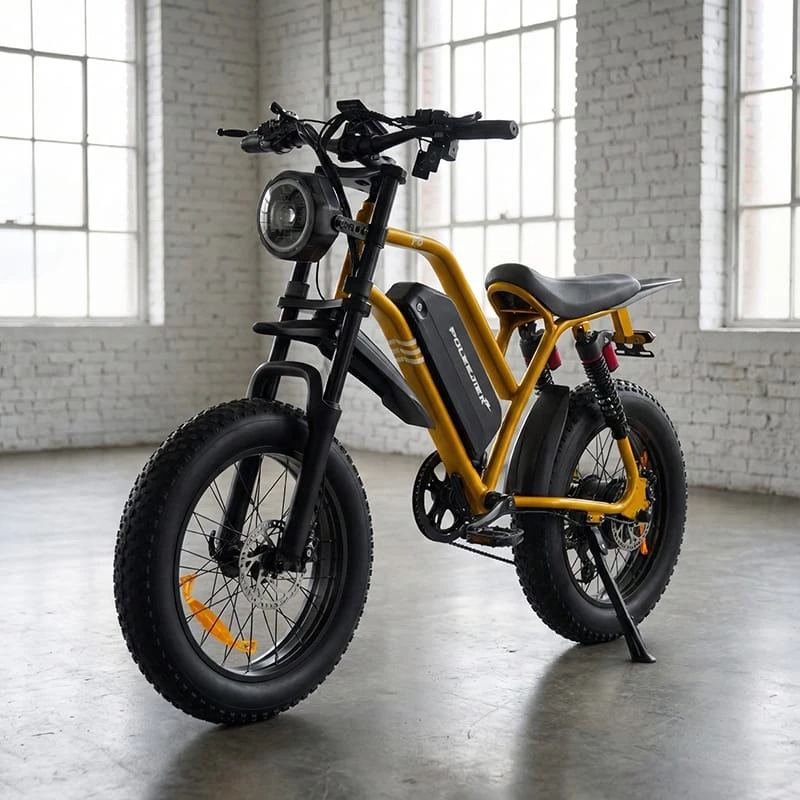
If you have decided that 1500W is the target, the next question is: Which bike? The market is flooded with options, but the Poleejiek F6 stands out as the best electric dirt bike for value, durability, and engineering.
Engineered for Silence and Power
Many high-wattage motors suffer from "cogging" or loud whining noises under load. The F6 utilizes a sophisticated silent brushless motor. This technology minimizes friction and noise, allowing you to enjoy the sounds of nature when off-roading, rather than the whine of an electric drill. It delivers the thrust of a fast electric bike without the sonic pollution.
The "Big Motor needs Big Battery" Principle
A common mistake in the industry is pairing a powerful motor with an undersized battery. A 1500W draw on a small battery causes "voltage sag," where the power cuts out just when you need it most.
The F6 solves this with a robust 48V 20Ah battery.
- Range: This high-capacity cell structure offers a 30% longer lifespan than standard models.
- Stability: The 20Ah capacity ensures that the battery can deliver the high current required for Peak 1500W bursts without overheating or tripping the BMS (Battery Management System). This creates a consistent ride from a full charge down to 20%.
Durability: Steel vs. Aluminum
While aluminum is lighter, it can be brittle under the high-frequency vibrations of off-road riding. The F6 features a reinforced steel frame. Steel has a natural ability to absorb road chatter and withstand the high torque forces generated by the 1500W motor. Combined with the 4-inch fat tires and adjustable suspension, the F6 offers a ride quality that feels closer to a motorcycle than a bicycle.
Unmatched Value
Finding a cheap electric dirt bike that doesn't sacrifice quality is difficult. The F6 bridges the gap between high-end electric motorcycles (which can cost $4,000+) and budget toy bikes. It offers features like an NFC lock (keyless ignition) and a 7-speed Shimano drivetrain at a price point that makes high-performance accessible.
5. Addressing the Legal Elephant: Compliance and Responsibility
When discussing high-power e-bikes, we must address the regulatory environment. Is a 1500W bike legal?
The "Dual Personality" Solution
In the United States, federal law generally classifies e-bikes (Class 1, 2, and 3) as having a maximum motor power of 750W for street use. A fixed 1500W bike would technically be classified as a moped or motorcycle, requiring registration and insurance in many jurisdictions.
However, the Poleejiek F6 is designed with versatility in mind. It functions as a street legal electric bike through user-configurable settings:
- Street Mode: The bike can be limited to lower wattage and speeds to comply with Class 2 or Class 3 regulations for urban commuting.
- Off-Road Mode: When on private property, OHV trails, or closed courses, the rider can unlock the full potential of the Peak 1500W system.
This flexibility allows the owner to use the F6 as a daily commuter during the week and a high-performance dirt bike electric machine on the weekend. Always check your local state and county laws regarding e-bike usage, as regulations vary significantly by region.
6. Conclusion: Don't Settle for Less
The e-bike market is filled with buyers who suffer from "range anxiety" and "power regret." Buying a 750W or 1000W bike often leads to an upgrade within a year as the rider's skills outgrow the machine's capabilities.
Choosing the Poleejiek F6 is a choice for future-proofing your ride. It provides the gentle, assist-based riding characteristics you need for the city, with the beastly, high-torque power you crave for the wild. Whether you are navigating snowy winter streets or carving up dirt trails, the F6 delivers.
Why compromise?
- Experience the raw power of Peak 1500W.
- Ride longer with the 48V 20Ah battery.
- Dominate any terrain with 4-inch fat tires.