Winter Commuting Guide: How to Ride an Electric Fat Tire Bike in Snow Safely
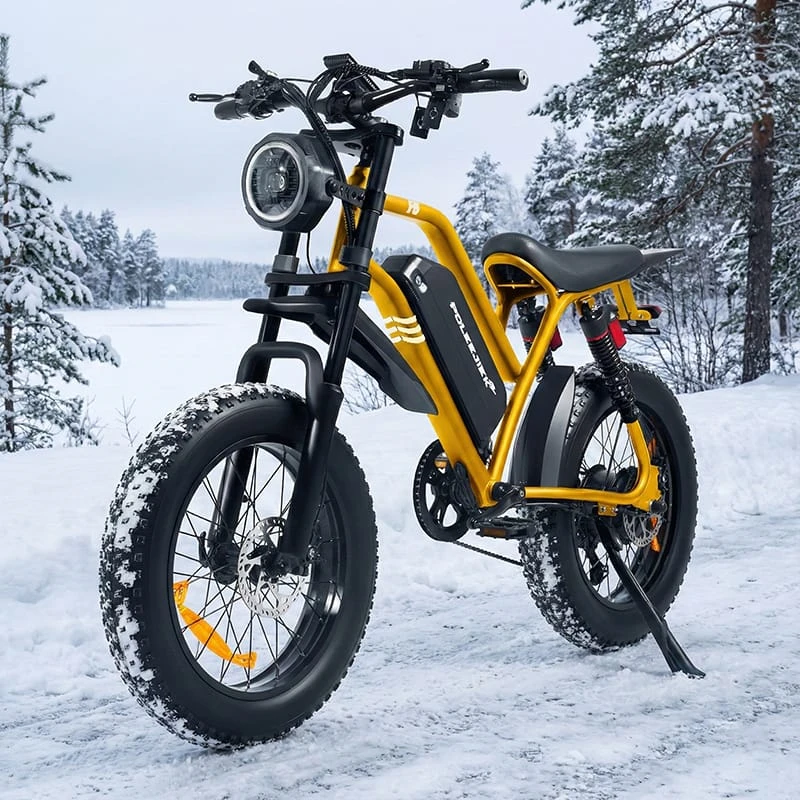
The first snowfall of the year usually triggers a reflex for most cyclists: they shift gears into hibernation mode, locking their bikes in the garage until spring thaws the asphalt.
This is a mistake.
For those equipped with the right machinery—specifically a fat tire electric dirt bike—winter is not a stop sign; it is simply a change in terrain. Winter riding transforms a mundane commute into an adventure, turning a grey, slushy Monday morning into a technical challenge that is genuinely fun to conquer. However, the transition from dry tarmac to ice and snow requires a shift in mindset, specific riding techniques, and equipment that can handle the elements.
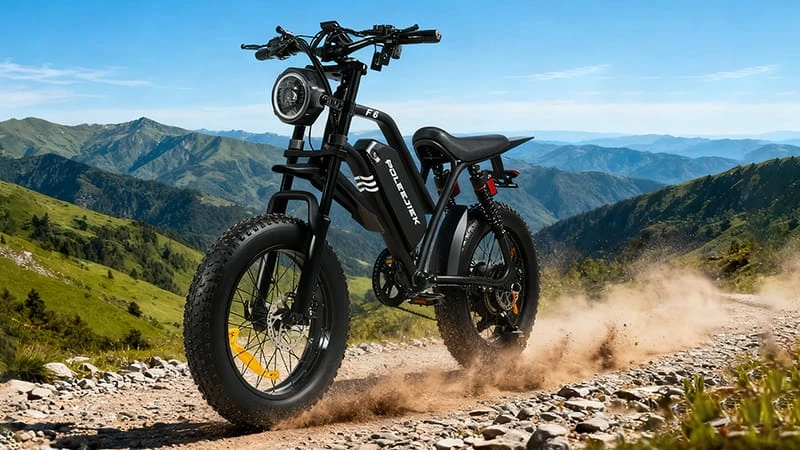
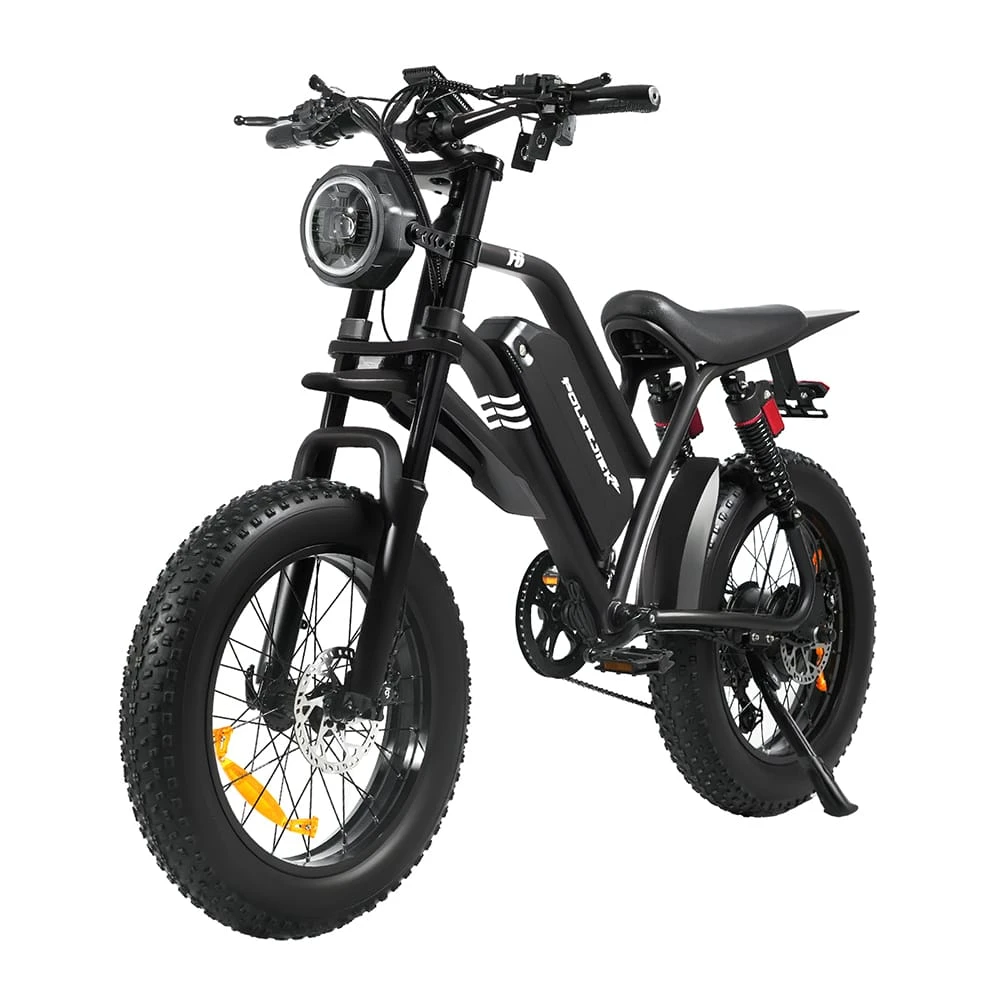
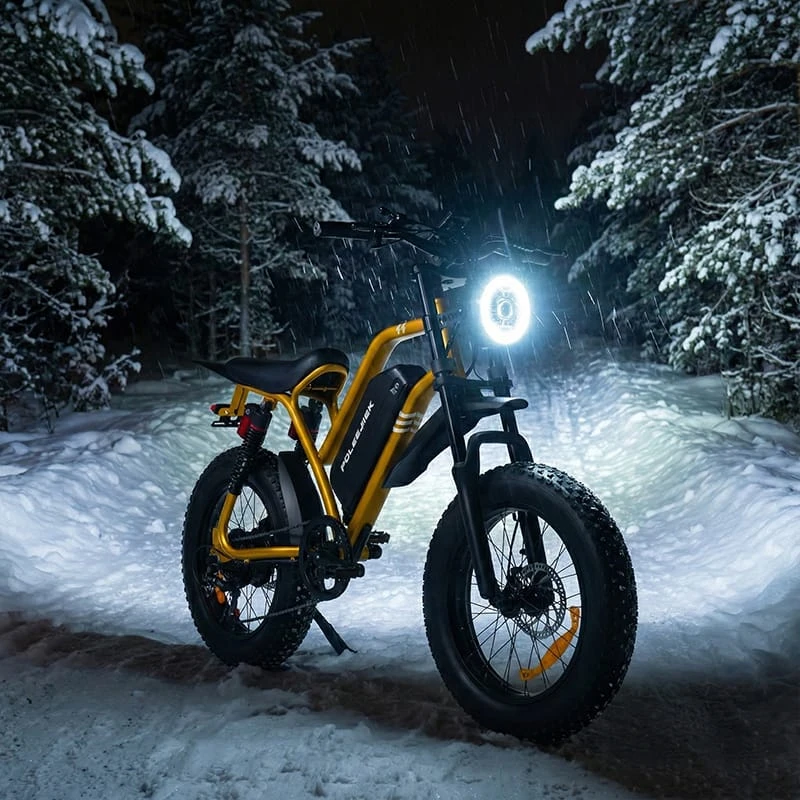
This guide explores the mechanics of winter riding, safety protocols, and why a high-specification machine like the Poleejiek F6 (with its massive battery and waterproof rating) is the ultimate tool for the all-weather commuter.
1. Why Fat Tires are Non-Negotiable
If you attempt to ride a standard road bike with 25mm or even 35mm tires on fresh snow, you are fighting physics. Narrow tires slice through soft surfaces, digging into the snow rather than riding on top of it. This creates immense resistance and instability.
The Physics of Flotation
To conquer snow, you need "flotation." This is where the fat tire ebike becomes the undisputed king of winter.
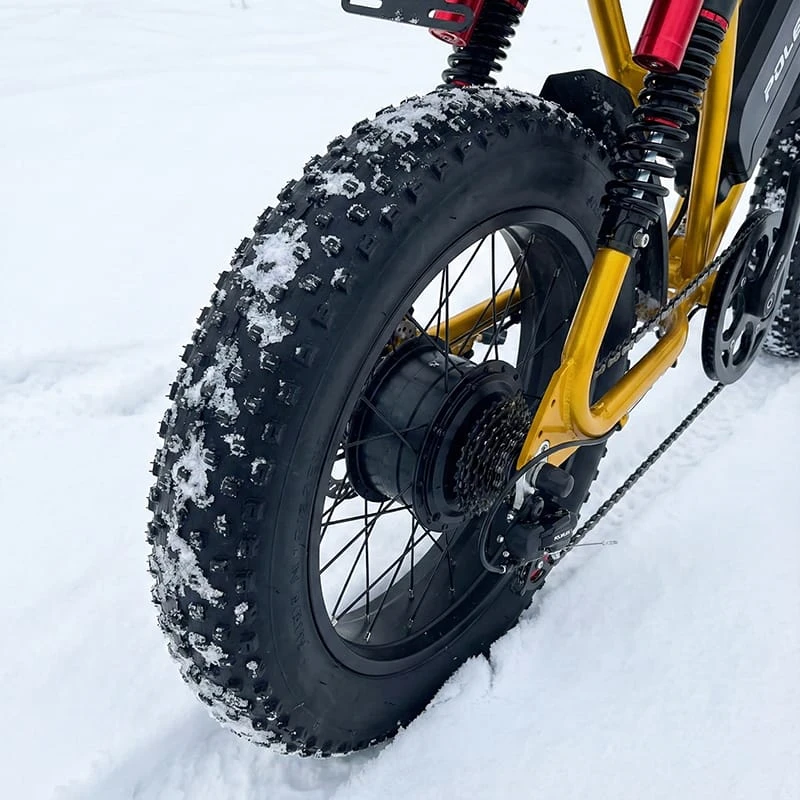
The Poleejiek F6 is equipped with 4-inch fat tires. These wide tires exponentially increase the contact patch—the area of the tire that touches the ground. By spreading the combined weight of the rider and the bike over a larger surface area, the bike "floats" over packed snow and slush rather than sinking into it. This is the same principle used by snowshoes.
Traction and Grip
Beyond flotation, wide tires offer superior grip. In winter, surface conditions change rapidly from dry pavement to black ice to churned-up slush. A 4-inch tire features deep, aggressive tread patterns designed to bite into soft terrain. When you are riding an electric snow bike, that mechanical grip is the difference between staying upright and sliding out.
Pro Tip: Lower Your PSI
In winter conditions, tire pressure is your variable suspension and traction control. Drop your tire pressure significantly—often as low as 8 to 15 PSI (depending on rider weight). This allows the tire sidewall to flex, flattening the tire further to create an even massive contact patch that conforms to icy ruts rather than bouncing off them.
2. Core Techniques: The 3 Golden Rules for Riding in Snow
Owning an off road ebike is step one. Knowing how to pilot it is step two. As noted by organizations like the League of American Bicyclists, winter riding is less about speed and more about fluid control.
Rule 1: Throttle Modulation and Momentum
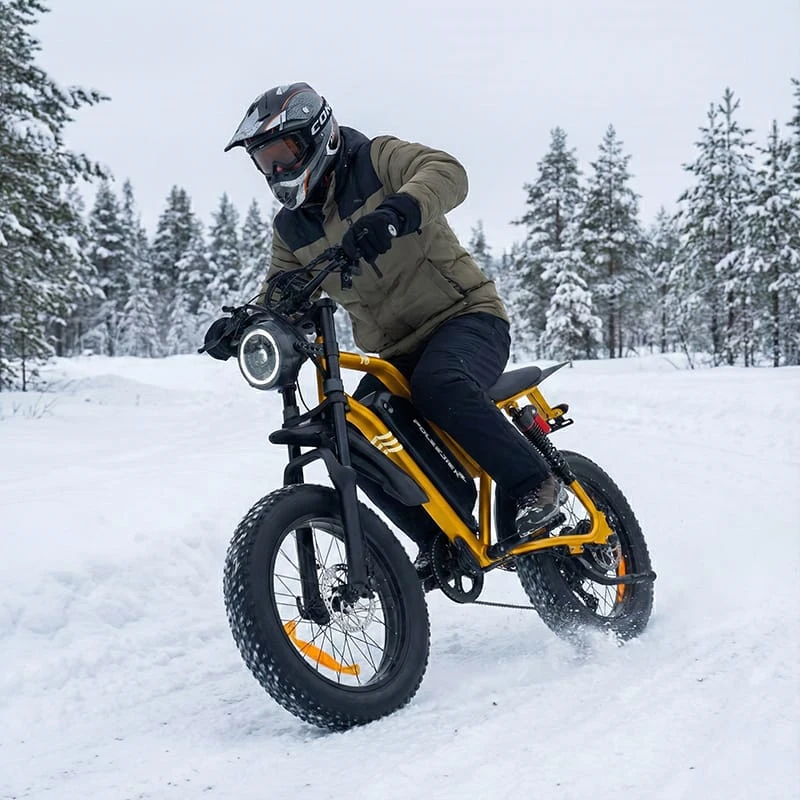
On dry pavement, you can twist the throttle and enjoy the instant torque of a 1500W peak motor. On ice, that same torque can cause the rear wheel to spin out immediately.
- Linear Power: You must apply power gently. The Poleejiek F6 is engineered with a smooth controller curve, allowing you to feather the throttle.
- Momentum is Key: In deep snow, momentum is your friend. If you stop in 6 inches of powder, getting started again is difficult. Keep a steady, low speed.
- Pedal Assist: Use lower Pedal Assist System (PAS) levels. This provides a more organic power delivery, preventing sudden surges that break traction.
Rule 2: Braking Wisely
Braking on snow requires a complete rewiring of your instincts.
- The Rear Brake is Primary: In dry conditions, the front brake provides 70% of your stopping power. On snow, touching the front brake firmly can lock the front wheel. If the front wheel slides, you lose steering, and you will crash.
- Feathering: Rely heavily on your rear brake. If the rear wheel locks, the bike will fishtail, but you can usually control it by steering into the slide.
- Braking Distance: Assume your stopping distance will triple. Plan your stops well in advance.
Rule 3: Body Positioning
Your body is the heaviest component of the vehicle system. Where you place that weight matters.
- Center of Gravity: Keep your weight centered. If you are climbing a snowy hill, shift slightly forward to keep the front wheel planted.
- Cornering: Do not lean the bike as you would in a corner on dry asphalt. Keep the bike relatively upright and lean your body to the inside of the turn. This keeps the tire's center tread (where the grip is) in contact with the ground.
- Relax: Tension leads to stiff inputs. Keep your arms loose and let the bike move beneath you. The bike will wiggle in the snow; let it correct itself rather than fighting every oscillation.
3. Conquering the Cold: Waterproofing and Battery Science
Winter commuting is harsh on electronics. You are dealing with freezing temperatures, moisture, and road salt. This is why many "budget" e-bikes fail in January.
The Importance of IP54 Waterproofing
When snow melts, it becomes water. When you ride through slush, that water is sprayed onto your motor, controller, and battery connectors.
The Poleejiek F6 boasts an IP54 waterproof electric bike rating.
- IP5 (Dust): Protected against dust ingress sufficient to prevent the product from operating normally.
- IP4 (Water): Protected against splashing water from any angle.
This means the F6 is sealed against road spray and falling snow. While you shouldn't submerge the bike in a frozen lake, it is more than capable of handling a wet, snowy commute without short-circuiting.
Managing Range Anxiety: The 48V 20Ah Advantage
Battery chemistry hates the cold. Lithium-ion batteries rely on a chemical reaction to release energy. As the temperature drops towards freezing, this internal resistance increases.
- The "Cold Tax": It is standard for e-bike batteries to lose 20% to 30% of their effective range in sub-zero temperatures.
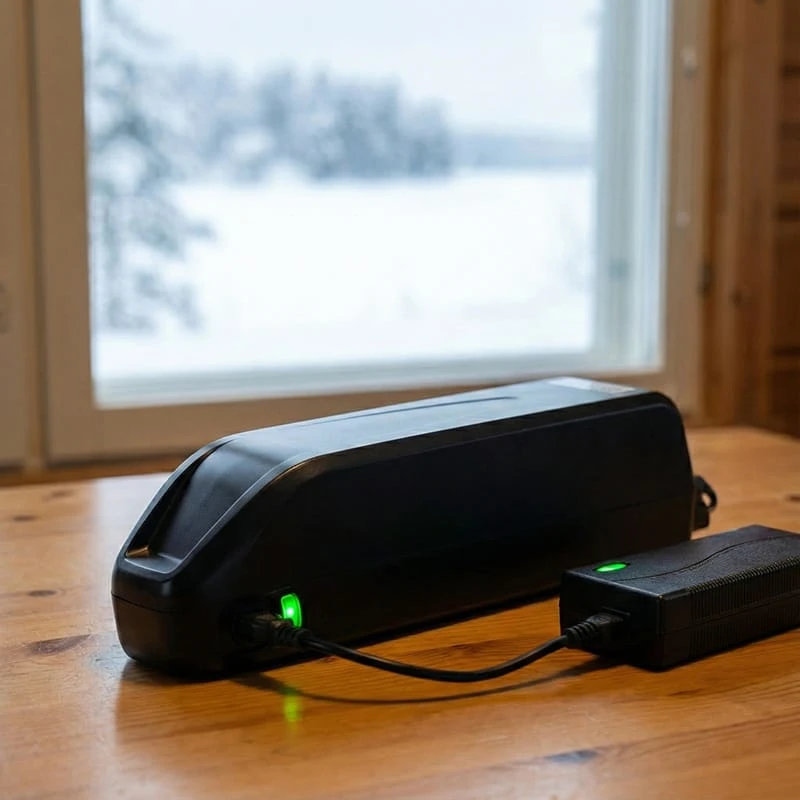
- The Capacity Solution: This is why the 48V 20Ah battery on the F6 is a critical feature for winter. A standard 13Ah or 15Ah battery, once subjected to the "cold tax," might not have enough juice to get you to work and back. The F6’s massive 20Ah capacity provides a necessary buffer. Even with winter efficiency loss, you have ample power to cover significant distances.
Maintenance Note: Never charge a frozen battery. Bring your battery inside and let it reach room temperature before plugging it in. This protects the cells from permanent damage.
4. Visibility and Gear: Surviving the Dark
Winter days are short. If you are using an electric bike for commuting, you will likely be riding in the dark in both the morning and evening.
See and Be Seen
Snow absorbs light, but wet roads reflect it, creating glare.
According to bicycle safety guidelines from the NHTSA, visibility is the single most critical factor in preventing accidents.
- Headlights: The F6 comes equipped with a high-lumen LED headlight. This isn't just a marker light; it projects a beam strong enough to spot patches of black ice.
- Rear Lighting: Always ensure your rear light is clear of snow buildup before you ride.
The Keyless Advantage
Fumbling for keys with thick winter gloves is frustrating. The F6 features an NFC lock. You can unlock the bike by tapping a card or phone, meaning you don't have to expose your hands to the freezing air to get started.
5. Post-Ride Maintenance
Winter road maintenance often involves salt, which is kryptonite to steel and aluminum.
- Rinse It Off: After a ride through salty slush, use a low-pressure spray (or a damp cloth) to wipe down the frame, chain, and brakes.
- Chain Lube: Switch to a "Wet" chain lube. It is thicker and resists washing off in snow, protecting your drivetrain from rust.
- Battery Storage: We cannot stress this enough—take the battery inside. Storing it at room temperature prolongs its lifespan significantly (the F6 battery is rated for 30% longer lifespan, but only if treated right).
Conclusion: Don't Let Winter Stop Your Adventure
The misconception that e-bikes are summer toys is outdated. With an electric snow bike like the Poleejiek F6, the winter commute changes from a dreaded chore into the highlight of your day. The combination of high-flotation fat tires, a sealed IP54 electrical system, and a high-capacity 48V 20Ah battery solves the traditional problems of traction, durability, and range anxiety.
Winter is quiet, beautiful, and challenging. You have the skills; now ensure you have the right vehicle.
Don't let winter stop your adventure.
Are you ready to upgrade your commute?
Check out the POLEEJIEK F6 – the all-weather electric dirt bike built for snow, mud, and street.
Frequently Asked Questions (FAQ)
1. Can I ride an electric bike in the snow?
Yes, but it depends on the bike. You need a model with wide "fat tires" (4 inches or wider) for stability and traction. Standard road e-bikes with thin tires are dangerous on snow. Ensure your bike has an IP rating (like IP54) to protect against moisture.
2. Does cold weather affect my e-bike battery?
Yes. Lithium-ion batteries are less efficient in the cold. You can expect a range reduction of 20-30% in freezing temperatures. We recommend a high-capacity battery (like the 48V 20Ah on the F6) to compensate for this loss. Always charge your battery indoors at room temperature.
3. Is the Poleejiek F6 waterproof?
The Poleejiek F6 has an IP54 rating, meaning it is protected against water splashes from any direction and dust ingress. It is designed to handle rain and snow but should not be submerged in water or cleaned with a high-pressure power washer.
4. How do I maintain my e-bike in winter?
Salt is the biggest enemy. Wipe down your bike after riding on salted roads. Use "wet" chain lube to prevent rust. Store the battery inside to keep it warm, even if you leave the bike frame in a garage.