Electric Dirt Bike vs. Gas Pit Bike: Why 2025 is the Year to Go Electric
For decades, the sound of off-road riding was defined by a singular, unmistakable soundtrack: the high-pitched whine of a 2-stroke or the guttural roar of a 4-stroke engine. For enthusiasts, that noise smelled like freedom (and premix fuel). But for neighbors, local authorities, and anyone attempting a low-maintenance lifestyle, it smelled like trouble.
As we approach 2025, the landscape of off-road riding has shifted fundamentally. The era of the "toy" electric bike is over. Modern electric dirt bikes are no longer just eco-friendly alternatives; they are high-torque, precision-engineered machines that rival, and often surpass, their combustion counterparts in the 110cc to 125cc pit bike class.
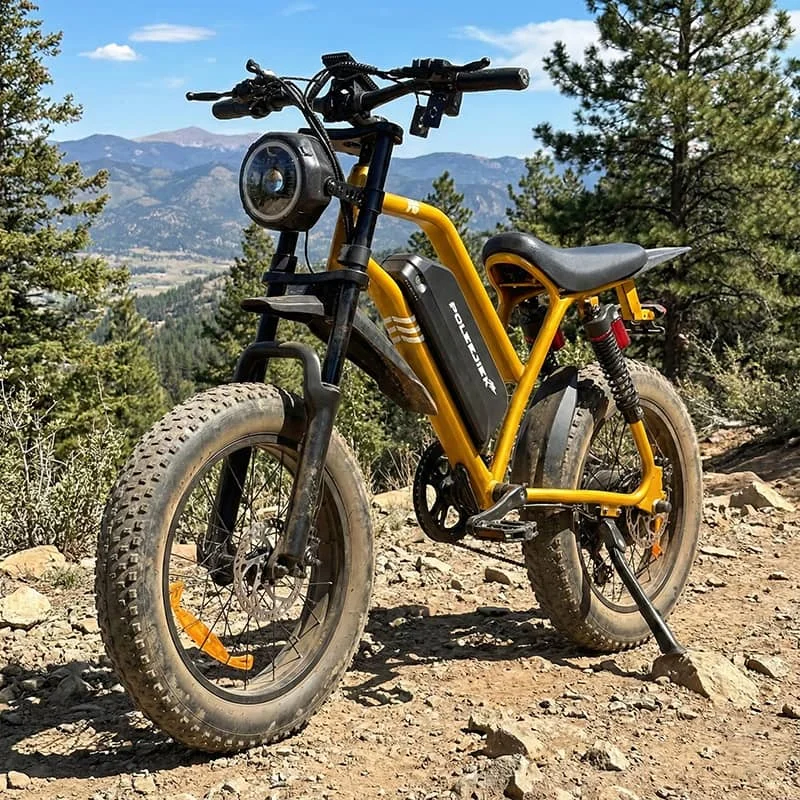
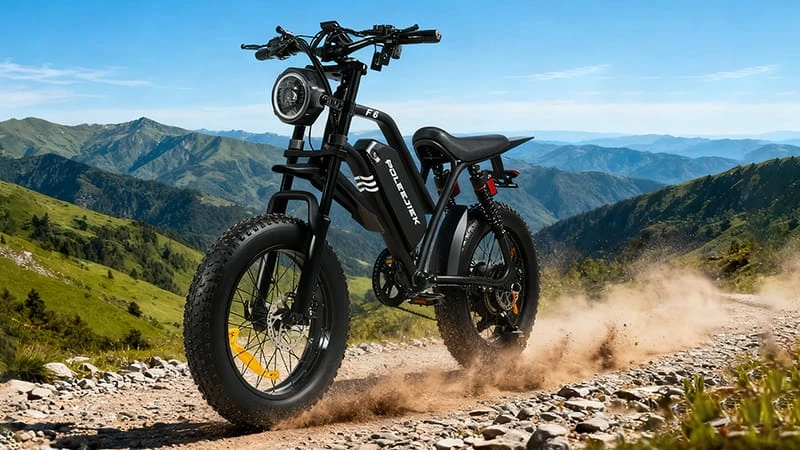
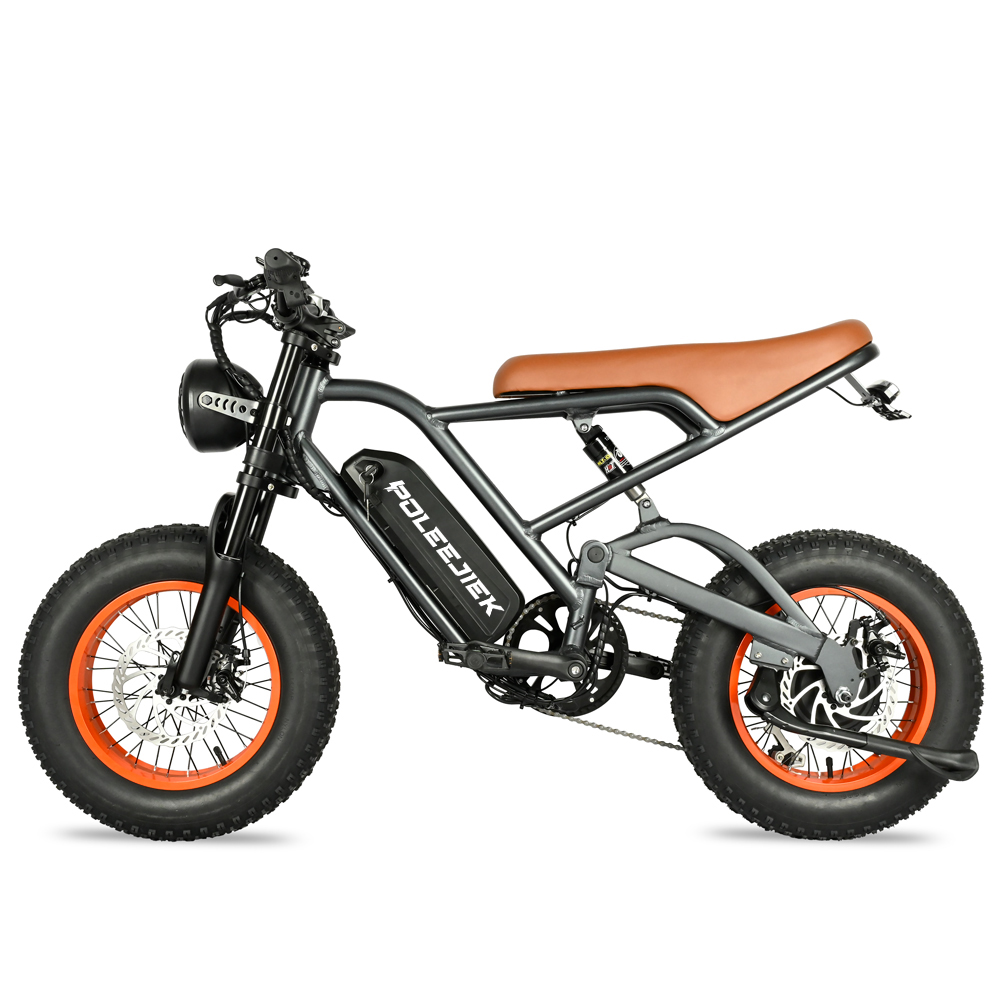
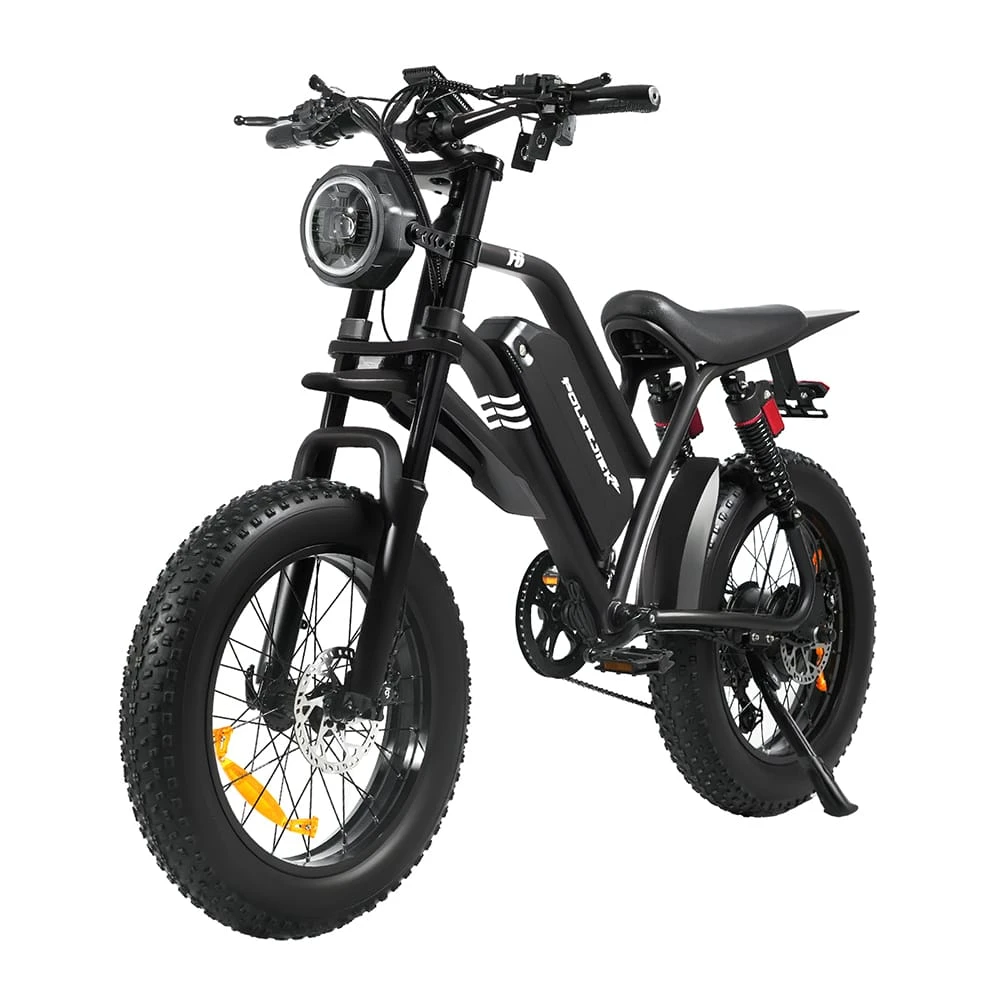
This article provides a technical and practical comparison between the traditional gas pit bike and the modern electric dirt bike, specifically analyzing the POLEEJIEK F6. We will evaluate them based on noise emission, maintenance engineering, torque delivery physics, and legal versatility to demonstrate why the smart money is moving to electric.
Round 1: The "Backyard Factor" (Noise & Access)
The greatest limiting factor for off-road riding today is not terrain; it is access. Gas-powered dirt bikes are inherently loud. Even with aftermarket spark arrestors and silencers, a standard 125cc pit bike generates decibel levels that travel for miles. This acoustic footprint limits riders to designated OHV (Off-Highway Vehicle) parks or remote wilderness areas.
The Problem with Combustion Acoustics
In a residential or semi-urban setting, starting a gas bike is an invitation for noise complaints. This creates a "friction of use"—you own the bike, but you cannot ride it when the urge strikes. You must load it onto a truck and drive to a location where noise is tolerated.
The Silent Advantage: Brushless Motor Technology
The POLEEJIEK F6 utilizes a high-efficiency brushless DC hub motor. Unlike internal combustion engines (ICE) that rely on controlled explosions, a brushless motor relies on electromagnetic fields to generate rotation.
The result is near-silence. The primary sound from the F6 is the crunch of tires on dirt and the whir of the chain. This "stealth mode" completely changes the utilization model of the vehicle.
- Ride Anywhere: You can ride in your backyard, on private property near neighbors, or in urban environments without drawing negative attention.
- Ride Anytime: Early morning or late night rides become possible when you remove the acoustic signature of an exhaust pipe.
Verdict: If you value the frequency of riding over the nostalgia of engine noise, the electric pit bike wins by simply being usable in more places.
Round 2: Maintenance Nightmares vs. "Plug & Play" Reliability
For the technically inclined, working on an engine is a hobby. For everyone else, it is a barrier to entry. We must analyze the Return on Investment (ROI) regarding time spent fixing versus time spent riding.
The Gas Pit Bike Maintenance Schedule
A typical 4-stroke 125cc pit bike requires a rigorous maintenance schedule to remain operational. Neglect these, and the engine fails:
- Oil Changes: Required every 10–15 hours of riding.
- Air Filter: Must be cleaned and re-oiled after every dusty ride to prevent piston scoring.
- Carburetor Tuning: Susceptible to clogging from ethanol-blended fuels; requires jetting adjustments for altitude and temperature changes.
- Valve Clearance: Mechanical valves require periodic checking and shimming.
- Top End Rebuilds: Pistons and rings are consumables that require engine disassembly.
The Electric Paradigm: Zero Engine Maintenance
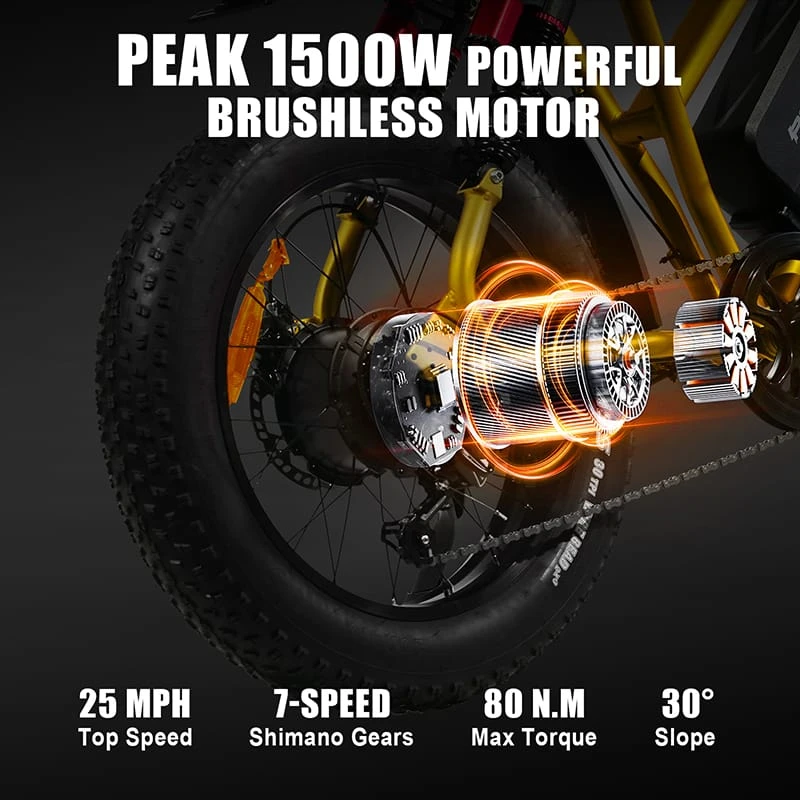
The POLEEJIEK F6 represents a shift toward "solid-state" reliability. The 1500W peak motor has exactly one moving part: the rotor. There are no pistons, no valves, no oil pumps, and no carburetors.
- No Fluids: There is no engine oil to change or leak on your garage floor.
- No Carburetor Anxiety: The bike does not care if it sits for three months during winter. There is no gas to go stale and varnish the jets. You simply turn it on, and it runs.
- Component Longevity: The F6 is powered by a 48V 20Ah battery, engineered for a lifespan 30% longer than standard e-bike batteries.
The Reality of Maintenance: With the F6, your "maintenance" is reduced to bicycle-level tasks: checking tire pressure, tightening bolts, and lubricating the chain. For a deeper dive into keeping your ride in top shape, please refer to our guide on e-bike maintenance tips.
Verdict: The maintenance-free nature of the electric drivetrain saves the average rider approximately 20–30 hours of labor per year.
Round 3: Instant Torque vs. Power Bands
There is a misconception that electric bikes lack "soul" or power. This usually stems from experience with low-voltage toy bikes. When analyzing the physics of power delivery, electric motors possess a distinct advantage over combustion engines: the torque curve.
The Physics of the Power Band
A gas engine must reach a specific RPM (Revolutions Per Minute) to generate peak power. This is known as the "power band."
- Low RPM: The engine is weak and prone to stalling.
- Shifting: To stay in the power band, the rider must constantly shift gears using a manual clutch.
This creates a high learning curve for beginners and a physically demanding experience for experts.
The 1500W Electric Advantage
The POLEEJIEK F6 features a Peak 1500W Brushless Motor. Electric motors generate maximum torque from zero RPM.
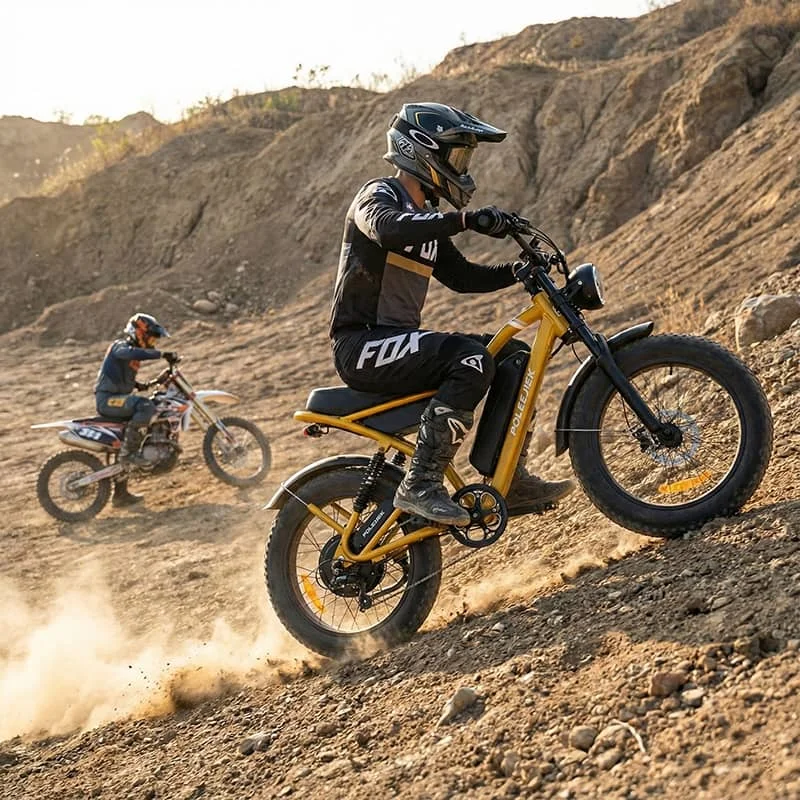
- Instant Acceleration: As soon as you twist the throttle, 100% of the available torque is delivered to the rear wheel. This makes climbing steep hills or accelerating out of corners significantly easier than on a small-displacement gas bike.
- No Stalling: You cannot stall an electric motor. On technical trails where a gas bike might flame out requiring a kick-start reset, the F6 powers through.
- Top Speed: The F6 hits 25 MPH with ease. While some modified gas pit bikes may reach higher top speeds on long straights, the F6 dominates in the 0–20 MPH range where most trail riding actually happens.
Verdict: For technical riding, urban commuting, and beginner confidence, instant torque is superior to a high-RPM power band.
Round 4: Versatility (The Deal Breaker)
This is where the POLEEJIEK F6 diverges from being just a "dirt bike" and becomes a legitimate multi-purpose vehicle. Most gas pit bikes are designated "For Off-Road Use Only." They lack lights, turn signals, keys, and emissions compliance. They are toys that must be trailered.
The Dual-Purpose Solution
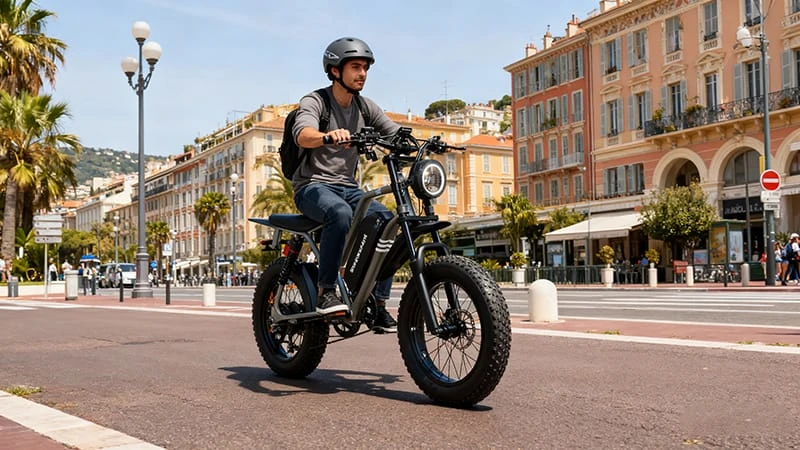
The F6 is designed to bridge the gap between an electric motocross bike and a functional urban commuter.
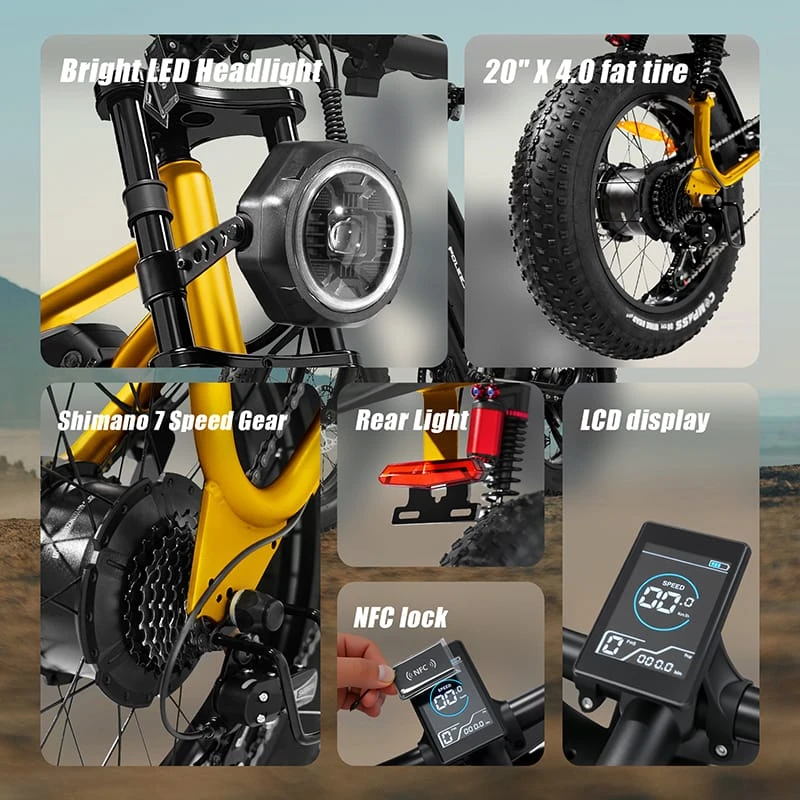
- Street Readiness: The F6 comes equipped with a high-lumen LED Headlight for night riding and visibility—a feature rarely found on stock pit bikes.
- Security Tech: Gas bikes are notoriously easy to steal (often just kick-started and ridden away). The F6 features an NFC Lock. You do not need physical keys; a card or fob activates the bike, adding a layer of digital security.
- Tires for All Terrains: The 4-inch fat tires provide a massive contact patch. On dirt, they act as additional suspension. On asphalt, they provide stability and traction over potholes and drain grates.
- Pedal Assist & Gears: Unlike a gas bike, the F6 retains a 7-speed Shimano drivetrain. This allows the rider to pedal to extend range or navigate areas where motor use is restricted, effectively categorizing it differently under many local laws.
For a detailed breakdown of legalities in your area, read our article: Are Electric Dirt Bikes Street Legal? A 2025 Guide to US Laws.
Cost Analysis: Gas vs. Electricity
Smart buyers look at the Total Cost of Ownership (TCO), not just the sticker price. Let’s break down the economics over a 2-year ownership period.
Gas Pit Bike Economics
- Fuel: High-octane gas + 2-stroke oil (if applicable).
- Consumables: Engine oil, oil filters, air filter oil, spark plugs.
- Repairs: Top-end rebuilds (pistons/rings) are common every 1–2 seasons for ridden-hard pit bikes.
- Estimated Monthly Running Cost: $30 - $50 (depending on frequency).
Electric (F6) Economics
- Fuel: Electricity. Charging a 48V 20Ah battery costs pennies (literally cents) per charge on standard US grid rates.
- Consumables: Brake pads, tires, chain lube.
- Repairs: Rare.
- Estimated Monthly Running Cost: <$2.00.
Battery ROI: While batteries are expensive components, the F6 uses high-quality cells designed for longevity. The savings on gas and engine parts usually offset the cost of a potential battery replacement years down the line. Curious about charging times? See: How Long Does It Take to Charge an Electric Bike?.
Technical Comparison Table
To visualize the differences, we have compiled a direct comparison between the POLEEJIEK F6 and a standard 125cc Gas Pit Bike.
| Feature | POLEEJIEK F6 Electric | 125cc Gas Pit Bike | Winner |
|---|---|---|---|
| Noise Level | Silent (Motor Whir) | Loud (>90dB) | Electric |
| Start Method | NFC / Button Press | Kick Start (Physical effort) | Electric |
| Maintenance | Chain & Tires Only | Oil, Filters, Carb, Valves | Electric |
| Torque Delivery | Instant (0 RPM) | Delayed (High RPM required) | Electric |
| Top Speed | ~25 MPH | ~45 MPH | Gas (on straights) |
| Street Utility | Headlights, NFC Lock, Pedals | None (Off-road only) | Electric |
| Running Cost | Pennies per charge | Gas & Oil costs | Electric |
| Smell | None | Exhaust fumes / Gasoline | Electric |
Who Should Buy the POLEEJIEK F6?
The F6 is not designed to replace a 450cc professional motocross bike jumping 50-foot gaps. It is designed to dominate the recreational and functional market.
1. The Urban Explorer
You live in the city or suburbs. You want a bike that can handle a shortcut through a park, a commute over bad roads, and a weekend trail ride, all without needing a trailer. The F6’s NFC lock and IP54 waterproof rating make it a viable daily tool.
2. The Novice & The "Returner"
You either never learned to use a manual clutch, or you rode gas bikes years ago and are tired of the hassle. The F6 offers the thrill of two wheels with a "twist and go" simplicity that removes the intimidation factor.
3. Teens and Safety-Conscious Parents
For teenagers transitioning to powered vehicles, the F6 offers a controlled environment. The speed is thrilling but capped at a safe 25 MPH. The reinforced steel frame and hydraulic suspension provide safety margins that cheap gas pit bikes often lack.
FAQ: Switching from Gas to Electric
Q: Is an electric dirt bike as fast as a gas one?
A: It depends on how you define "fast." In terms of acceleration (0–15 mph), the electric F6 is often faster due to instant torque. regarding top speed, a 125cc gas bike has a higher ceiling, but the F6's 25 mph is optimized for technical trails and safe commuting.
Q: How long does the battery last?
A: The 48V 20Ah battery is substantial. Range varies based on terrain and rider weight, but it generally provides ample time for a solid afternoon session. Unlike gas, you don't need to carry a jerry can; if you are commuting, you just plug it in when you arrive.
Q: Can I ride the F6 in the rain?
A: Yes. The F6 carries an IP54 rating, meaning it is protected against water splashes from any angle. It handles mud and puddles excellently, though it should not be submerged in deep water.
Conclusion: Silence is Power
The argument for the gas pit bike is rooted in nostalgia. The argument for the POLEEJIEK F6 is rooted in logic, performance, and lifestyle compatibility.
By choosing electric, you are choosing a machine that is ready to ride the second you are. You are choosing a vehicle that respects your neighbors, saves your wallet from the mechanic, and delivers a pure, unadulterated connection to the trail.
Stop fixing carburetors. Stop kicking start levers. Stop apologizing for the noise.