Understanding UL 2849 & Safety Standards for Importing E-Bikes to the USA in 2025
Introduction: Safety is the Lifeline of the E-Bike Industry
The landscape of the electric bicycle industry has shifted efficiently and ruthlessly. In 2025, the barrier to entry for the US market is no longer just about price or battery capacity; it is about compliance.
Recent legislative actions, such as New York City’s "Local Law 39," which prohibits the sale of e-bikes that do not meet UL 2849 standards, have sent shockwaves through the global supply chain. For distributors and retailers, this signals a crucial reality: safety is no longer an optional "value-add"—it is the fundamental ticket to entry.
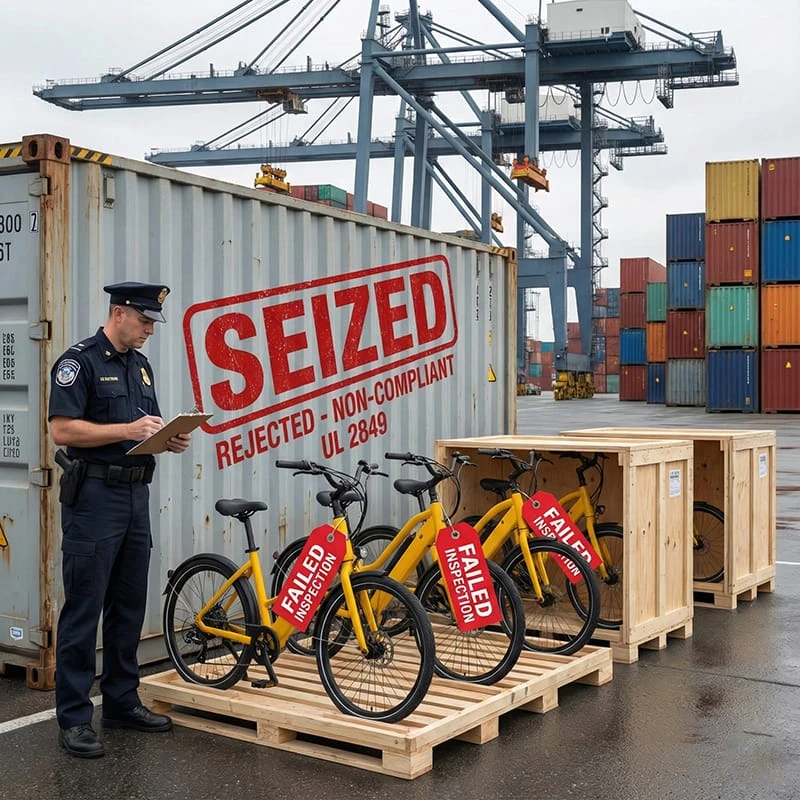
A major pain point for many B2B buyers and importers today is the fear of customs seizure. The Consumer Product Safety Commission (CPSC) has ramped up enforcement at ports of entry, targeting non-compliant lithium-ion battery products. Beyond the logistics, the specter of liability lawsuits stemming from battery fires threatens the very existence of uninsulated dealerships.
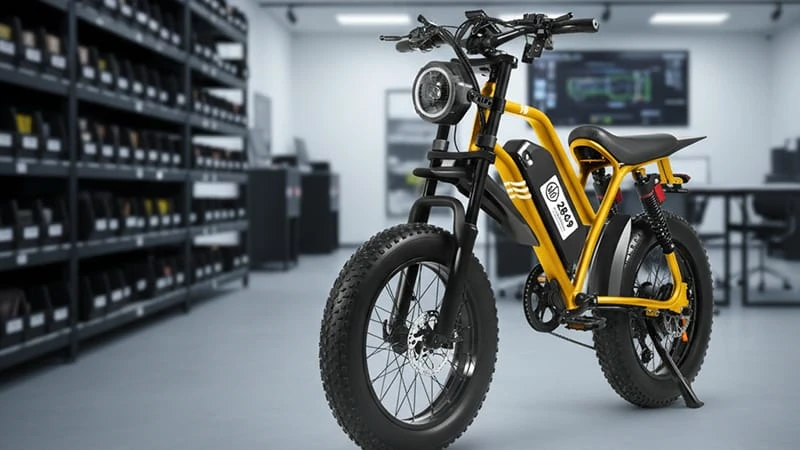
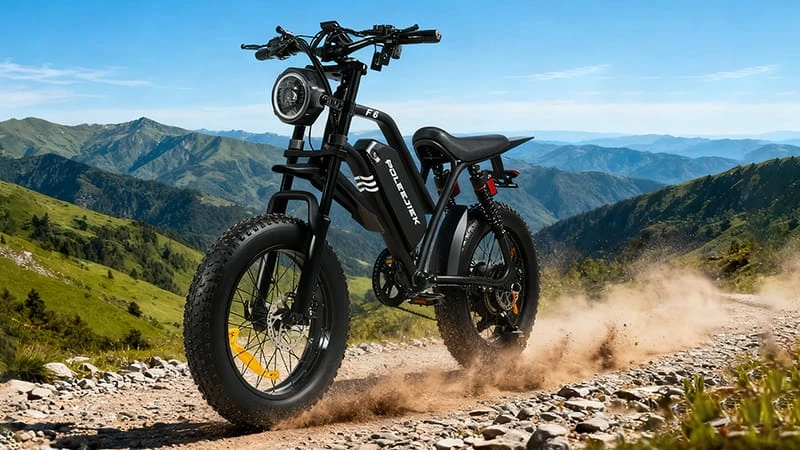
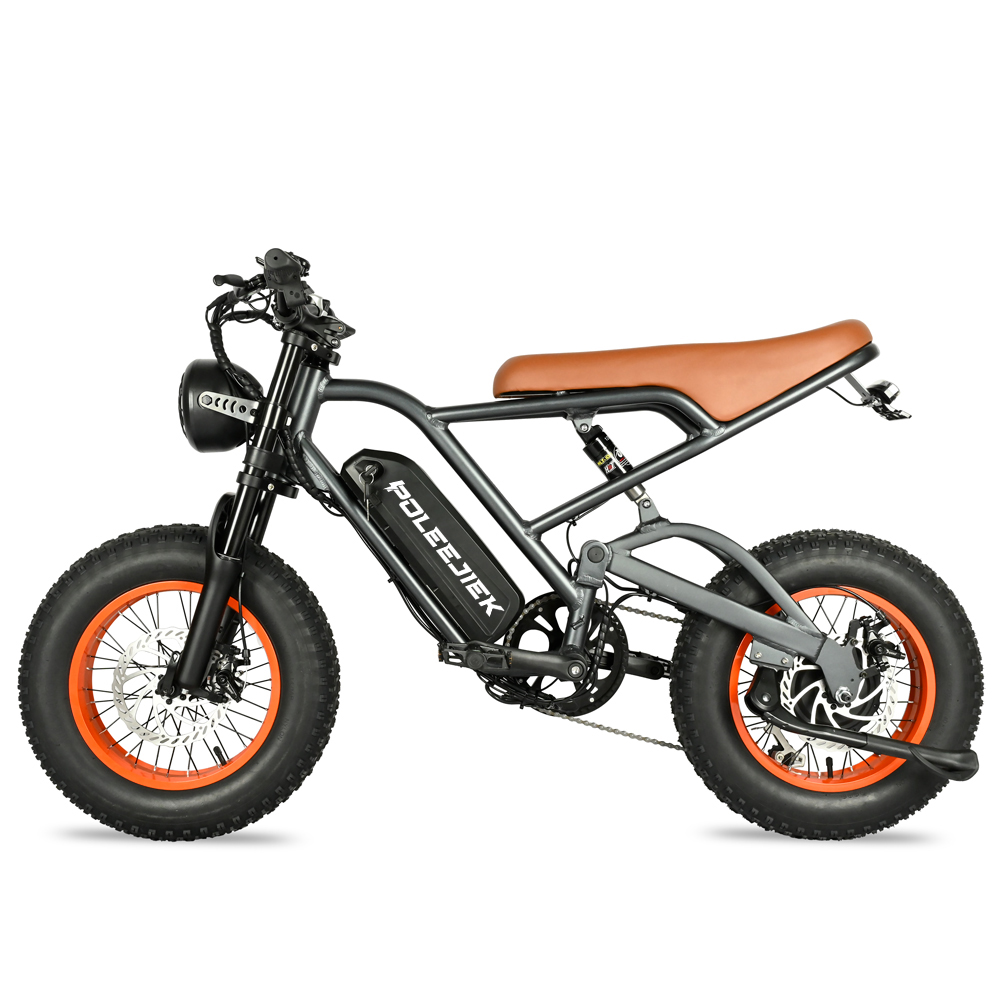
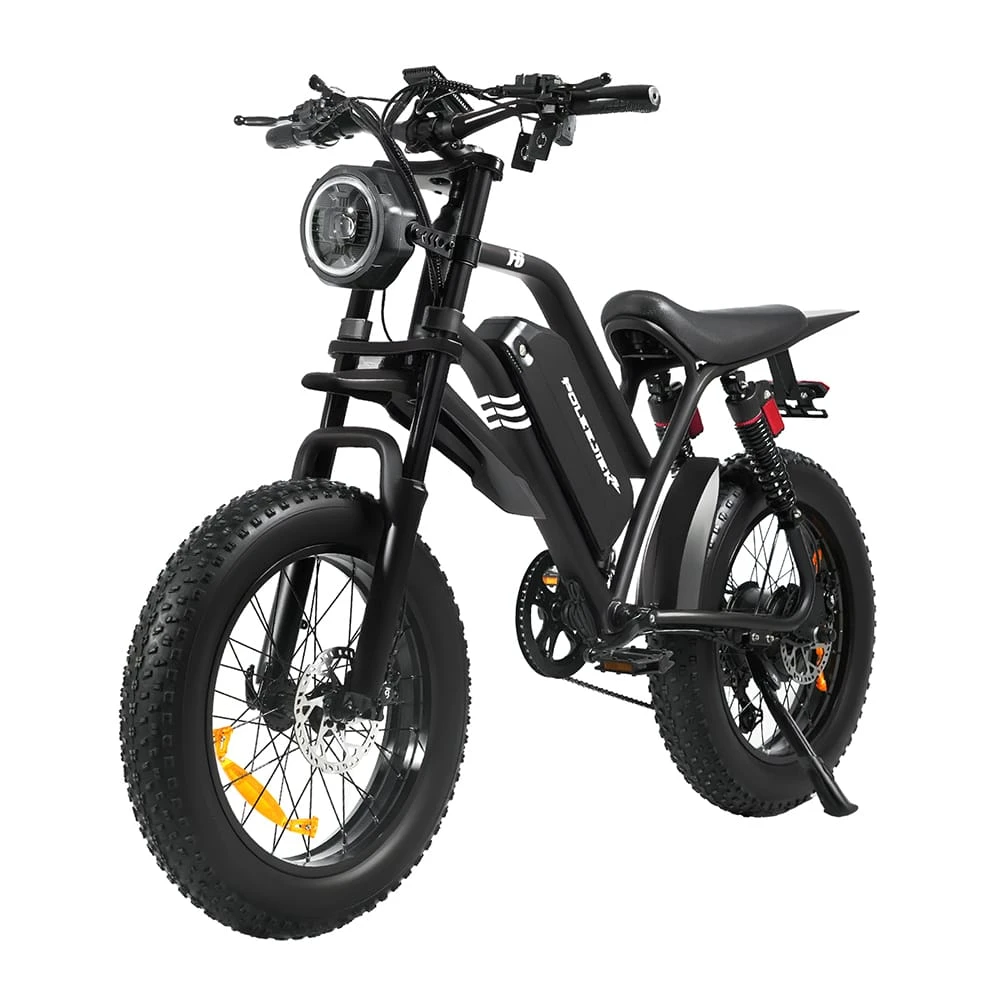
In this guide, we will deconstruct the UL 2849 standard, analyze the regulatory requirements for importing e-bikes to the USA, and demonstrate how the Poleejiek F6 is engineered to navigate these waters safely, ensuring your business remains profitable and protected.
What is UL 2849? Why is it Business-Critical?
To the uninitiated, UL 2849 is often mistaken for a battery test. In reality, it is far more comprehensive.
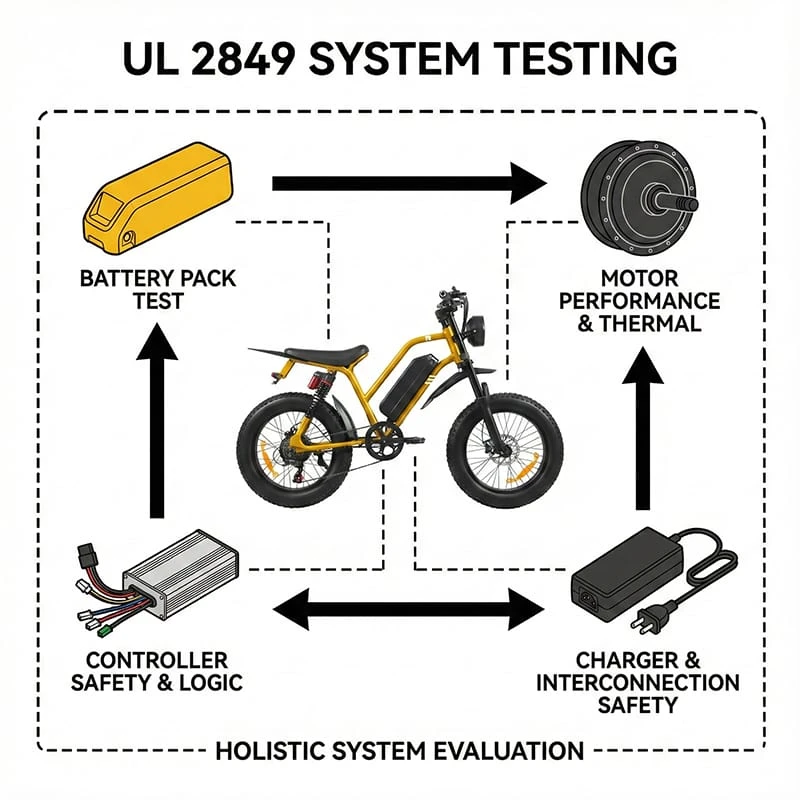
UL 2849 is the Standard for Safety for Electrical Systems for e-bikes. Unlike UN38.3 (which covers battery transport safety), UL 2849 takes a holistic system approach. It does not just test the battery pack in isolation; it evaluates the safety of the entire electrical drive train system, including:
- The Battery Pack
- The Motor
- The Motor Controller
- The Charger
- The Wiring and Interconnections
The standard tests how these components communicate and react under stress, ensuring that a failure in one component (like the charger) does not lead to catastrophic failure in another (like the battery thermal runaway).
The Regulatory Trend
While UL 2849 is a voluntary consensus standard in some jurisdictions, the CPSC is aggressively moving toward making it a mandatory requirement for all importing e-bikes to the USA. Major insurance carriers in the United States and Europe are increasingly refusing to write policies for bike shops that carry non-certified inventory.
The Commercial Value for Wholesalers
For a wholesaler, stocking products that align with e-bike battery safety standards offers a tangible Return on Investment (ROI):
- Risk Mitigation: Drastically reduces the chance of product recalls.
- Market Access: Allows entry into regulated markets (like NYC) where non-compliant bikes are banned.
- Brand Trust: Positions your dealership as a responsible, high-quality vendor.
Myth Busting: "American Made" vs. Quality Imports
One of the most common search queries we see from potential partners is for an American made electric bike. It is essential to address this with transparency and industry nuance.
The Global Supply Chain Reality
The vast majority of e-bikes sold in the US, even those branded as "Made in USA," rely on a global supply chain. Cells often come from Japan or Korea, motors from China or Germany, and assembly may happen globally.
The "Made in USA" label is often a marketing distinction, not necessarily a quality guarantee. In the context of B2B sourcing, the location of the factory is less important than the Standards (SOPs) that the factory follows.
Standards Over Geography
A bike assembled in a US garage without strict quality control is infinitely more dangerous than a bike manufactured in a high-tech facility abroad that adheres to ISO and UL protocols.
At Poleejiek, our stance is clear: Geography is not a safety feature. Engineering is. Whether the F6 is viewed as a domestic staple or a premier import, we utilize top-tier manufacturing processes that rival or exceed local assembly shops. We focus on wholesale electric bike compliance, ensuring that when our container lands at your warehouse, the product inside is ready for legal sale.
The F6 Safety Moat: How We Protect B2B Buyers
We designed the Poleejiek F6 not just to perform, but to comply. While its 1500W peak output screams power, its internal architecture whispers safety. Here is how we engineer the F6 to protect your liability.
1. The Intelligent Battery Management System (BMS)
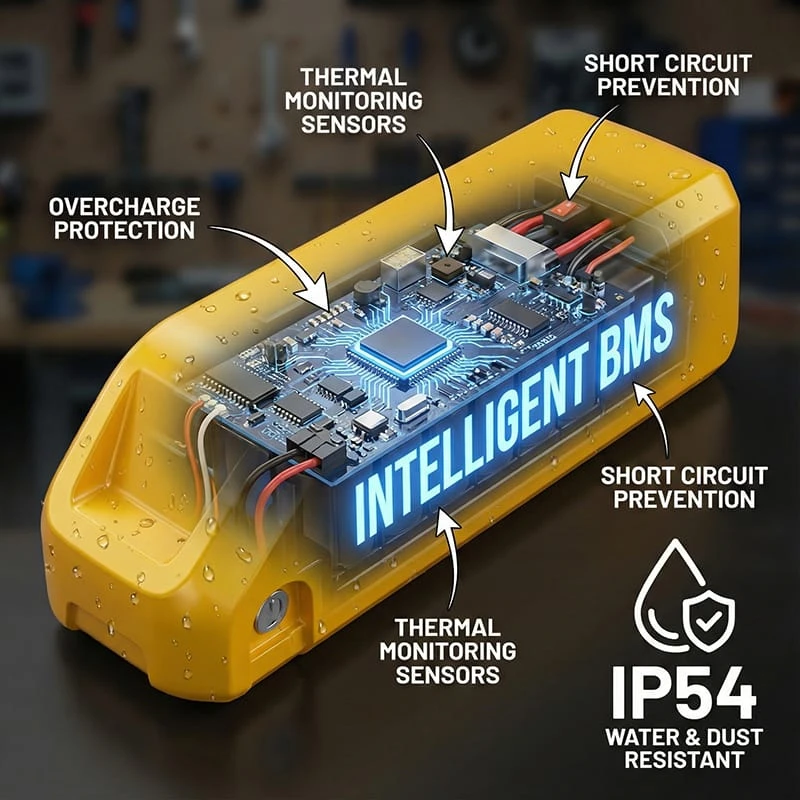
The heart of e-bike battery safety is the BMS. The F6 is equipped with a high-density 48V 20Ah battery, but the capacity means nothing without control. Our proprietary BMS provides three critical layers of defense:
- Overcharge Protection: The system cuts off current precisely when voltage peaks, preventing the chemical instability that leads to swelling or fires.
- Thermal Monitoring: Sensors distributed throughout the pack monitor cell temperature. If the bike is ridden hard in a hot environment and temps exceed safe limits, the power output is throttled automatically to cool the cells.
- Short Circuit Prevention: In the event of physical damage to the wiring, the BMS instantly isolates the battery, preventing spark or arc faults.
2. IP54 Water and Dust Resistance
Safety isn't just about electricity; it's about the environment. The F6 carries an IP54 rating.
- Dust (5): Prevents dust ingress that could cause internal short circuits on the controller board over time.
- Water (4): Protects against splashing water from any angle.
This ensures that the electrical integrity of the bike remains intact even after months of riding in rain or mud, reducing warranty claims for distributors.
3. "Street Legal" Versatility
Navigating Class 2 ebike regulations in the US can be tricky with a high-power unit. The F6 offers a strategic advantage for dealers:
- Hardware Capability: The bike is capable of 1500W peak power and 25MPH+ speeds for off-road use.
- Software Compliance: For dealers in strict states, the F6 can be software-locked to adhere to Class 2 specifications (20mph limit, throttle actuated).
- NFC Security: The inclusion of NFC card locking adds a layer of theft prevention, but also safety—preventing unauthorized use by children or untrained riders.
By offering a bike that bridges the gap between a street legal electric bike and an off-road performance machine, we allow dealers to stock one SKU that satisfies two distinct customer avatars.
Importer’s Checklist: What to Ask Before You Buy
If you are sourcing e-bikes for your dealership, you are the first line of defense. Do not sign a Purchase Order until you have verified these four pillars of compliance.
1. The UN38.3 Certificate
Before a battery can even be loaded onto a ship or plane, it must pass UN38.3. This tests for altitude simulation, thermal cycling, vibration, and shock.
- Ask the factory: "Please send the PDF of the UN38.3 test report for this specific battery model."
- Status: Poleejiek provides this for every F6 shipment.
2. Charger Certification
Often overlooked, the charger is a frequent ignition source.
- Ask the factory: "Is the charger UL or ETL listed?" A generic, unbranded charger is a massive liability flag.
3. Clear Class Identification
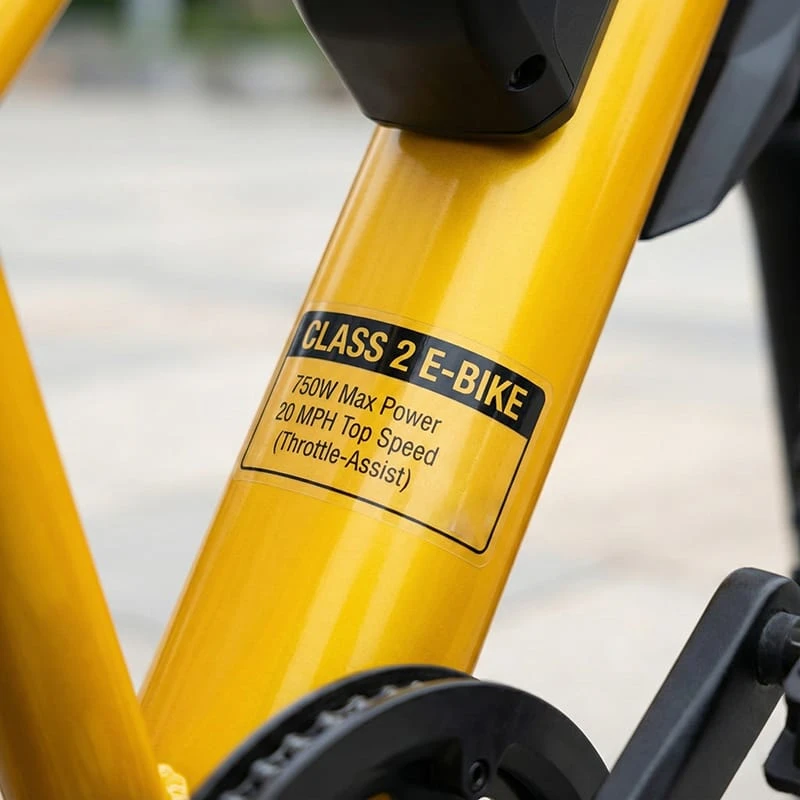
US law requires e-bikes to carry a permanent label showing the Class (1, 2, or 3), top speed, and motor wattage.
- The Poleejiek Solution: The F6 comes with appropriate labeling options to ensure that when a customer rides on a public path, they are visibly compliant with local laws.
4. Comprehensive Manuals and Warnings
Liability often hinges on "failure to warn."
- Ask the factory: "Do you provide a native English user manual with clear safety warnings regarding charging and storage?"
- Status: Our documentation is written by technical professionals, ensuring clear communication of risks and operational guidelines.
Technical Deep Dive: The ROI of Safety
Why should a distributor pay a premium for a bike with better BMS and compliance features? The answer lies in the Total Cost of Ownership (TCO) for the dealer.
Reducing Warranty Leakage
A "cheap" battery that lacks proper thermal management degrades faster. If a battery fails in 6 months, you (the dealer) are on the hook for shipping and replacement. The F6 battery is rated for a 30% longer lifespan than standard generic cells. This means fewer returns and higher customer retention.
Insurance Premiums
As mentioned earlier, general liability insurance for e-bike shops is rising. Brokers are beginning to ask for spec sheets. Being able to present data on BMS safety features, IP ratings, and manufacturing standards can be the difference between getting insured or being dropped.
Conclusion: Partner with a Supplier Who Prioritizes Safety
As we move through 2025, the "Wild West" era of e-bikes is closing. The market is maturing, and regulations are tightening.
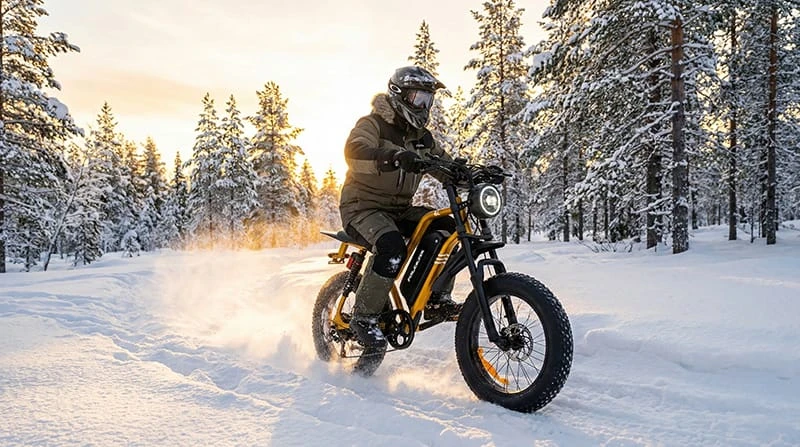
The Poleejiek F6 represents the intersection of high performance and high responsibility. With a 1500W motor and fat tires, it offers the excitement customers want. With advanced BMS, IP54 waterproofing, and strict adherence to manufacturing standards, it offers the peace of mind importers need.
Don't let your inventory get stuck at customs or your brand reputation burn down due to a faulty cell. Choose a partner that understands the regulatory landscape as well as the mechanical one.
Ready to Upgrade Your Inventory?
Partner with a supplier who prioritizes safety.
Stop gambling on generic imports. Equip your dealership with the F6—the electric dirt bike that balances adrenaline with compliance.
Contact our B2B team today for F6's Safety Documentation and Wholesale Pricing
External Resources for Compliance Verification
- Consumer Product Safety Commission (CPSC): E-Bike Safety Information
- PeopleForBikes: E-Bike Regulations by State