Mid-Drive vs. Hub Motor: Why Hub Motors Still Dominate the Budget Dirt Bike Market
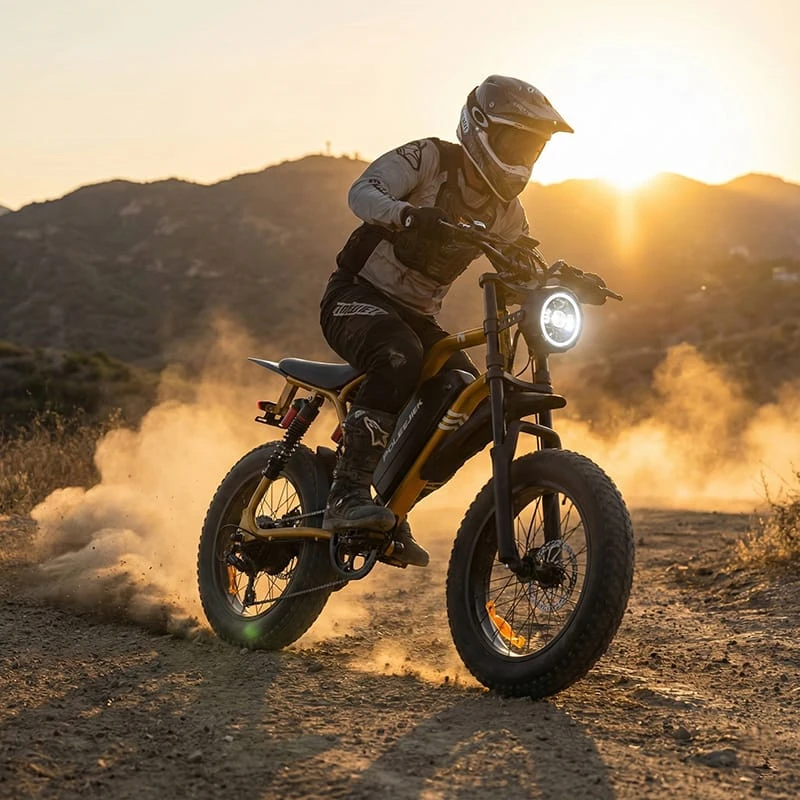
1. Introduction: The Motor Location Determines Your Wallet and Your Joy
If you have spent any time researching electric dirt bikes or high-performance e-bikes, you have likely encountered a pervasive piece of advice: "You must buy a mid-drive motor." It is the mantra of high-end mountain biking forums and premium dealership sales floors. However, when you look at the price tag attached to reputable mid-drive systems—often starting north of $4,000—reality sets in. Is that specific configuration actually necessary for the riding you plan to do?
The reality of the current market is telling: over 90% of the best-selling budget electric dirt bikes and fat-tire e-bikes utilize hub motors. This is not merely a cost-cutting measure; it is an engineering choice that prioritizes reliability and raw speed over mechanical complexity.
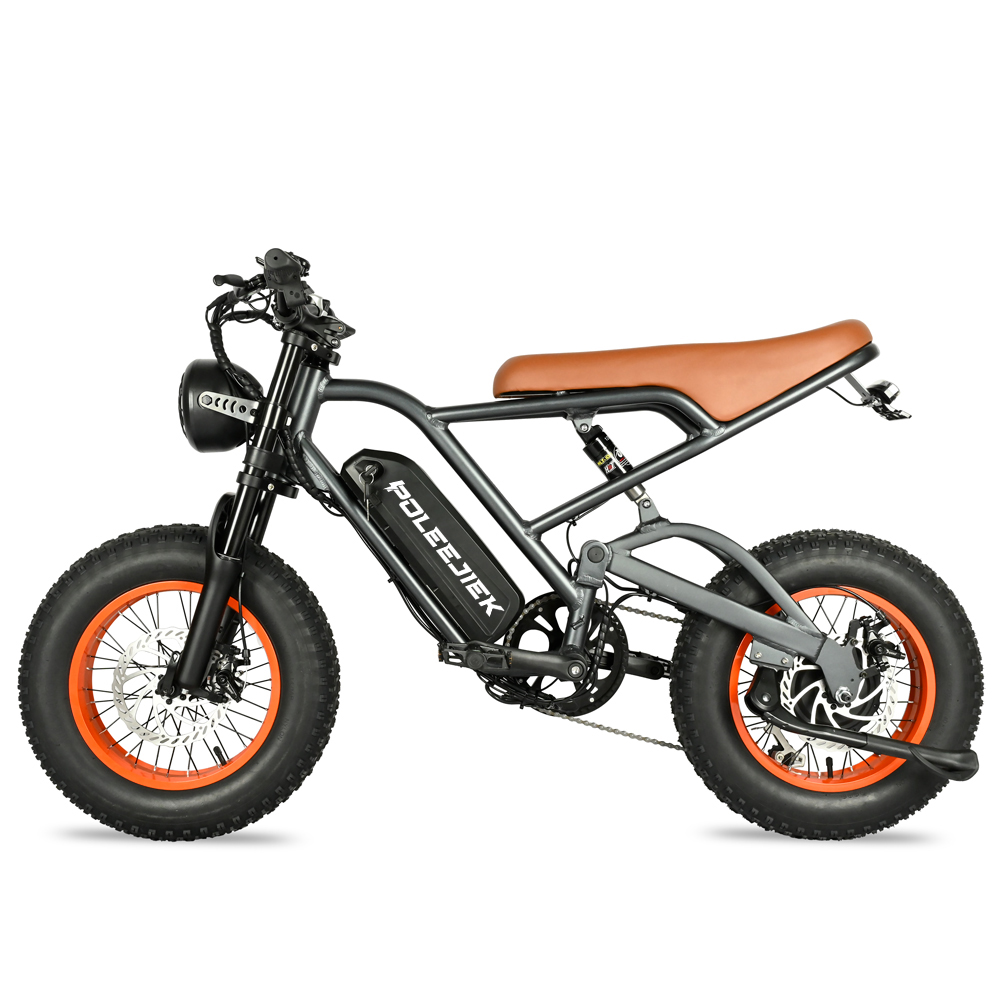
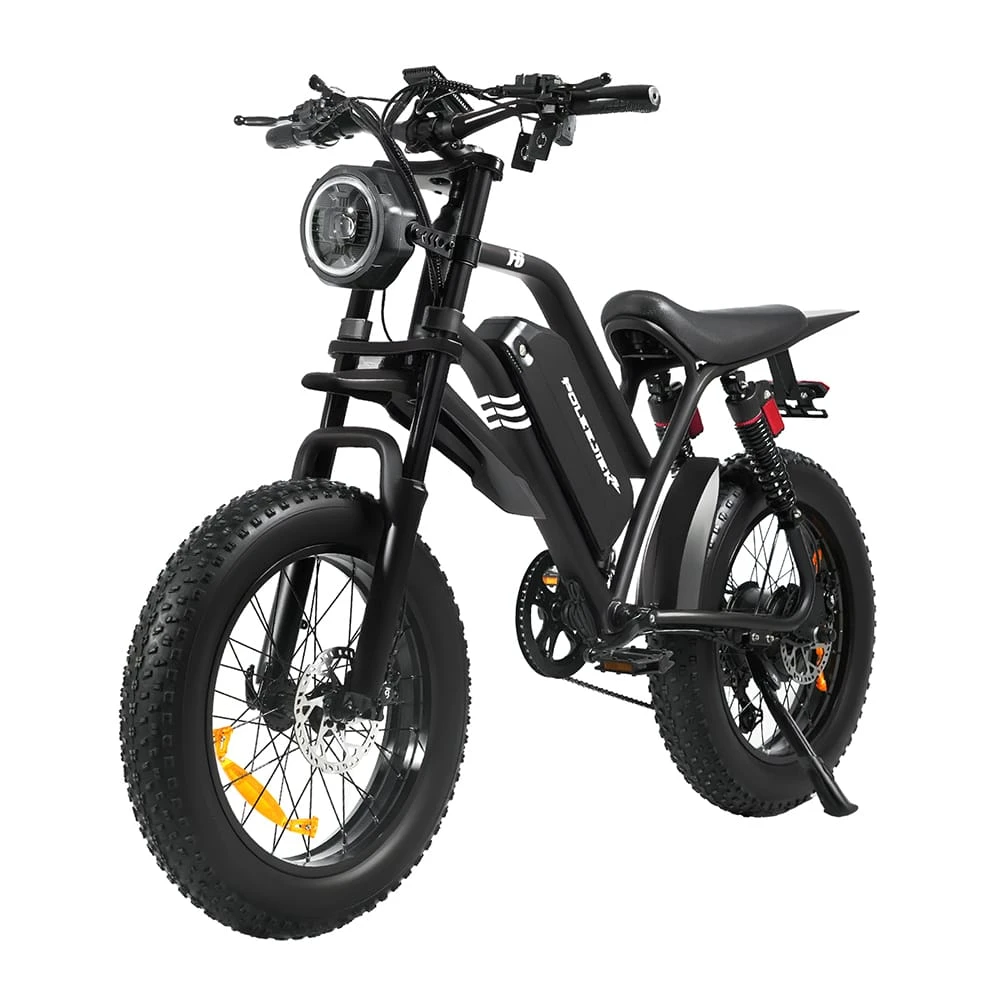
At Poleejiek, we believe in transparency. While mid-drive motors have their specific place in professional rock crawling, we designed the Poleejiek F6 around a high-performance rear hub motor for a reason. In this analysis, we will dismantle the hype and reveal why a high-wattage hub motor often provides superior durability, simpler maintenance, and a better return on investment (ROI) for the everyday adventurer than its expensive mid-drive counterparts.
2. The Mechanics: Brute Force vs. Complexity
To understand why the F6 performs the way it does, we must look at the physics of how power is transferred from the battery to the ground. The distinction lies in the path of resistance.
The Hub Motor: The Direct Drive Advantage (The F6 Way)
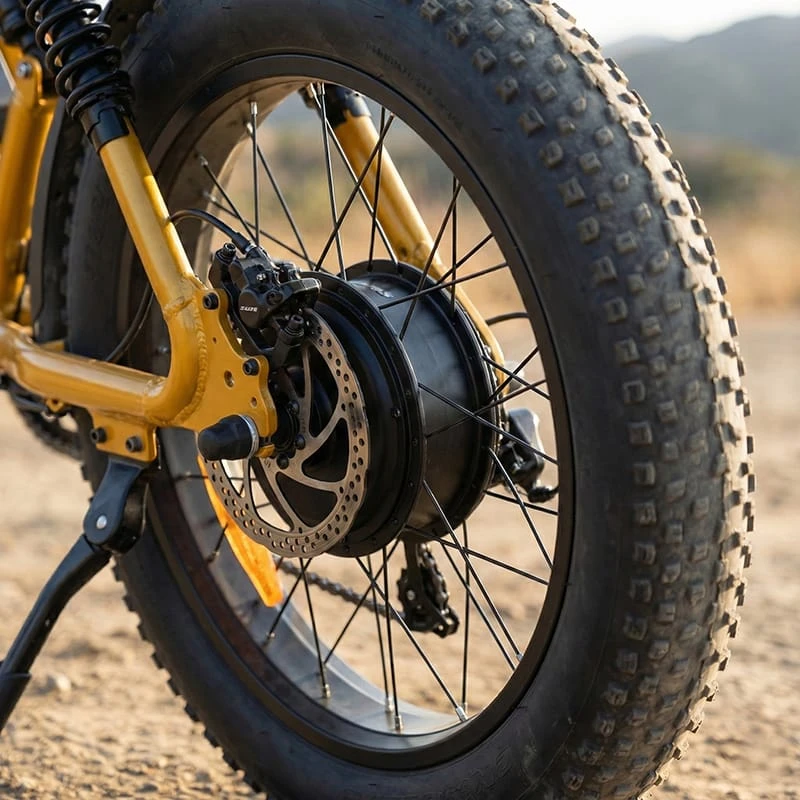
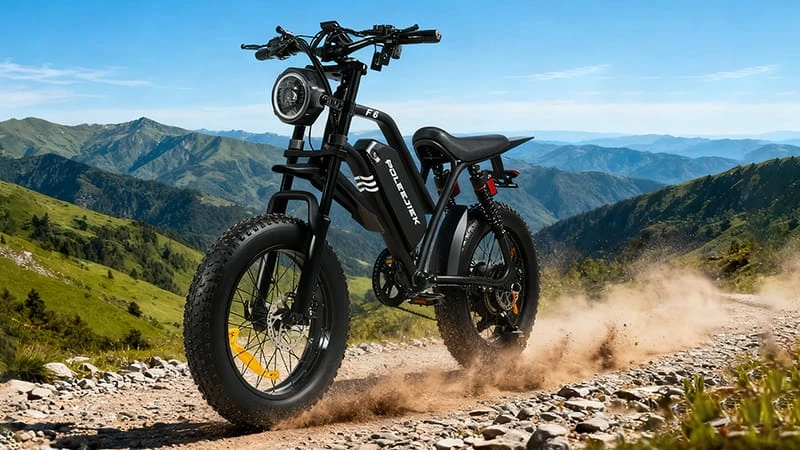
A rear hub motor, like the 1500W peak power unit found on the Poleejiek F6, operates on a principle of direct propulsion. The motor is located inside the rear wheel hub. When you twist the throttle, the motor spins the wheel directly.
- Zero Transmission Loss: Because the motor bypasses the bicycle's chain, derailleur, and cassette, there is zero energy lost through mechanical friction in the drivetrain.
- Instant Torque: When you demand power from the F6, the response is immediate. This "direct drive" feel is what gives the F6 its aggressive acceleration, allowing it to hit speeds up to 30mph (unlocked) without stressing the bicycle components.
The Mid-Drive: The Chain-Dependent System
A mid-drive motor is mounted at the bike's bottom bracket (between the pedals). It generates power and transfers it to the rear wheel by pulling on the bicycle chain.
- The Chain Weakness: While this allows the motor to utilize the bike's gears (an advantage for climbing slowly), it introduces a massive structural weakness. Bicycle chains were designed for human legs, which produce roughly 100-200 watts of sustained power.
- The 1500W Problem: When you push 1500W of electric power through a standard bicycle chain, you are exceeding its tensile limits by a factor of ten. This creates a high risk of chain snapping—a catastrophic failure when you are riding at high speeds or navigating technical terrain.
For the rider looking for a cheap electric dirt bike that can handle abuse, the simplicity of the hub motor is a feature, not a bug.
3. Maintenance Nightmare: Do You Want to Wrench or Ride?
One of the most critical, yet often overlooked, aspects of owning an electric dirt bike is the long-term ebike maintenance cost. This is where the hub motor shines and the mid-drive often becomes a headache for the budget-conscious rider.
The "Limp Home" Feature: A Savior for Off-Roaders
Imagine you are ten miles deep into a forest trail or halfway through a muddy commute. Suddenly, a rock hits your derailleur, or the torque of the motor snaps your chain.
- On a Mid-Drive E-Bike: You are stranded. Because the motor relies on the chain to turn the wheel, a broken chain means you have zero propulsion. You are now pushing a 70lb bike home.
- On the Poleejiek F6 (Hub Motor): You simply smile and twist the throttle. Because the hub motor drives the wheel independently of the chain, the F6 possesses a "Limp Home" capability. Even if your chain is gone, your derailleur is bent, or your pedals fall off, the electric motor will still power you home. For the solo adventurer, this redundancy is a vital safety feature.
The "Chain Shredder" Effect
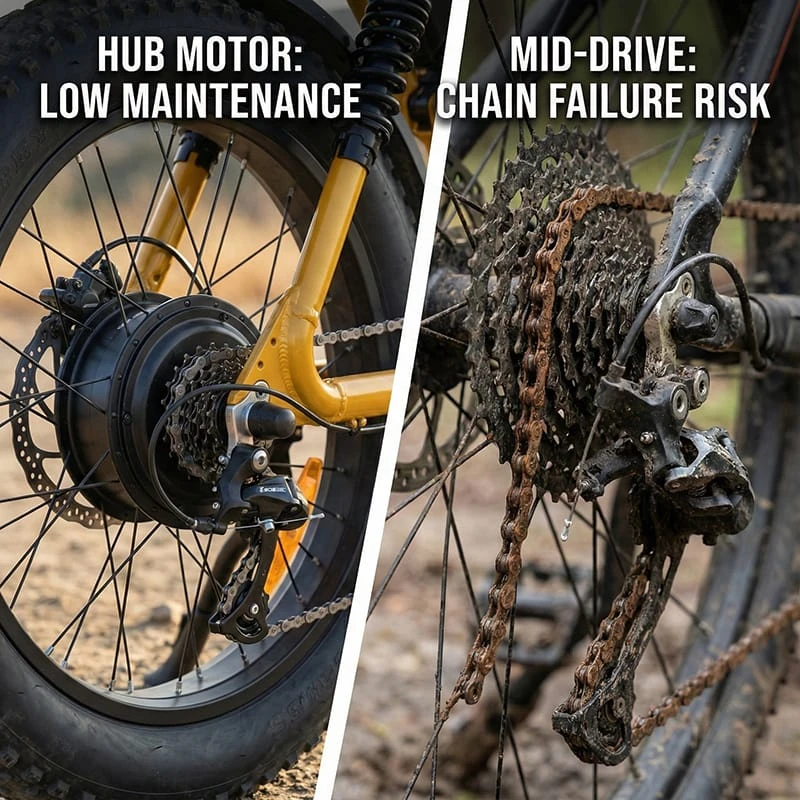
Mid-drive motors are notorious for accelerated drivetrain wear. Owners of high-powered mid-drive systems often find themselves replacing chains every 500-1000 miles and cassettes (gear clusters) every 1500 miles. The constant high torque stretches steel links rapidly.
In contrast, the 1500w rear hub motor on the F6 exerts zero stress on the chain. You can ride the F6 for thousands of miles using primarily the throttle, and your chain and gears will remain in pristine condition because they are only used when you decide to pedal. This significantly lowers the annual ownership cost, making the F6 the best budget electric dirt bike for long-term reliability.
4. The Cost Factor: Why F6 Delivers Better Value
In the world of manufacturing, complexity costs money. Mid-drive motors require specialized frame geometries with custom mounting brackets. They require complex internal reduction gears and torque sensors.
Where Does Your Money Go?
When you buy a $4,000 mid-drive bike, a massive chunk of that budget pays for the motor system and the frame engineering required to hold it. This often leaves less budget for other critical components.
The Poleejiek F6 Logic
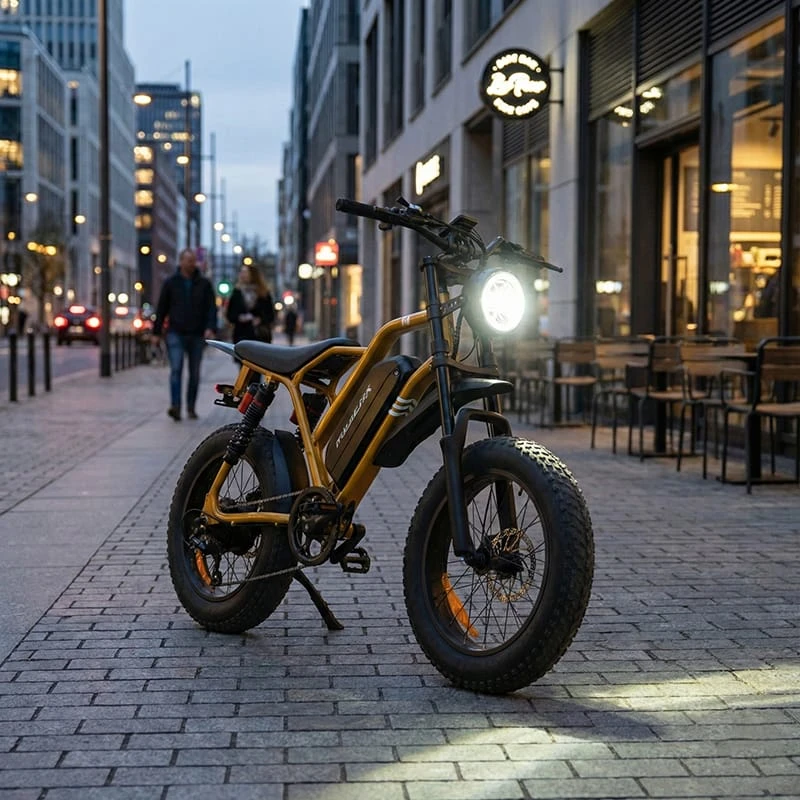
By utilizing a mature, reliable, and cost-effective hub motor architecture, Poleejiek reallocates those manufacturing savings into components that tangibly improve the ride experience:
- Battery Capacity: We equip the F6 with a massive 48V 20Ah battery. In the mid-drive market, getting a 960Wh battery usually requires spending double the price of the F6. This battery ensures a 30% longer lifespan and genuine long-range capability.
- Suspension and Tires: The savings allow us to install robust adjustable suspension and 4-inch fat tires. These provide the traction required for dirt trails and the comfort needed for city potholes.
- Modern Tech: Features like the NFC lock (keyless start) and IP54 waterproof rating are standard on the F6, whereas they are often optional extras on "premium" mid-drive builds.
For the consumer, the math is simple: You pay half the price for the same top speed, better range, and a more robust simplified system.
5. Use Case Analysis: Who Actually Needs a Mid-Drive?
To maintain our commitment to E-E-A-T (Experience, Expertise, Authoritativeness, and Trustworthiness), we must be objective. Mid-drive motors are not obsolete; they are specialized.
The Mid-Drive Use Case
If your primary riding involves "Technical Climbing"—meaning scaling 45-degree rock faces at 3 mph where precise gear reduction is necessary to keep the motor spinning fast—then a mid-drive is superior. It acts like the low-range gearbox in a Jeep.
The Poleejiek F6 Hub Motor Use Case
However, 90% of riders do not spend their weekends crawling up vertical rock faces. Most riders engage in:
- Flat Trail Riding: Blasting through fire roads and dirt paths.
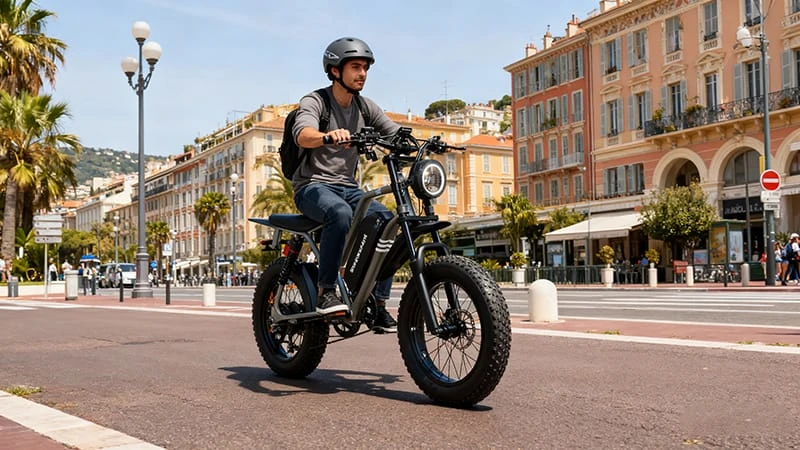
- Urban Commuting: Navigating traffic and city streets.
- All-Terrain Exploring: Riding over snow, sand, and mud.
In these scenarios, momentum and raw power are king. The F6’s hub motor excels here because it maintains momentum better on flats and offers better high-speed efficiency. If you want a bike that feels like a motorcycle—responsive, fast, and powerful without shifting gears constantly—the hub motor is the superior choice.
Technical Note: For a deeper dive into how power output affects ride quality, read our comparison on 1500W vs 1000W E-bike configurations, which details the torque advantages of the F6 platform.
6. Comparison: Hub Motor vs. Mid-Drive at a Glance
For those deciding between a DIY mid-drive conversion or a factory-integrated hub motor like the F6, this comparison highlights the operational differences.
| Feature | Hub Motor (Poleejiek F6) | Mid-Drive System |
|---|---|---|
| Primary Advantage | Durability, Speed, Simplicity | Climbing Torque, Balance |
| Price Point | Low ($) - Best Value | High ($$$) - Premium Cost |
| Chain Wear | Low - Motor bypasses chain | High - Motor strains chain |
| Chain Break Scenario | Ride Home (Throttle works) | Stranded (Motor dead) |
| Maintenance | DIY Friendly - Sealed unit | Complex - Internal gears |
| Top Speed | High (Easily sustains 30mph) | Limited by gearing |
| Noise Level | Silent (Direct Drive) | Whine (Gear reduction) |
7. Conclusion: The Practical Choice for Real Riders
The debate between mid-drive and hub motors often ignores the most important factor: practicality. While engineering purists may love the theoretical efficiency of a mid-drive, the real-world rider values a bike that starts every time, requires minimal maintenance, and doesn't cost a fortune to repair.
The Poleejiek F6 represents the pinnacle of hub motor optimization. It is an engineering masterpiece designed not for the theoretical rider, but for the rugged reality of the trail and the street. With a 1500W motor, a 48V 20Ah battery, and a chassis built to withstand punishment, it proves that you don't need a complex transmission to have a world-class riding experience.
Do not let the fear of "outdated tech" push you toward an overpriced, high-maintenance machine. Embracing the hub motor means embracing reliability.
Ready to stop worrying about broken chains and start riding?
Check out the comprehensive Poleejiek F6 Review to see it in action, or visit the product page below to secure yours.
Get the POLEEJIEK F6 – The low-maintenance beast built for real-world fun.
A Note for Our B2B Partners
If you are operating a Rental Fleet or managing a dealership, the argument for the F6 is even stronger. In a rental environment, downtime is lost revenue. Mid-drive bikes in rental fleets suffer from frequent chain snaps due to inexperienced riders shifting gears incorrectly under load. The Poleejiek F6 hub motor system is virtually immune to user error—there is no transmission to damage. Choosing the F6 means less downtime and higher profitability for your fleet operations.